Severe Shingles Case in 52-Year-Old Woman Highlights Urgent Need for Adult Vaccination
A Routine Earache Turned Into Lifelong Consequences
A 52-year-old woman’s misdiagnosed earache has drawn renewed attention to shingles and the importance of vaccination among adults over 50. What began as what she thought was a case of swimmer’s ear turned out to be shingles that left her with vertigo and permanent hearing loss in one ear. The case, reported by medical specialists this week, underscores a growing trend: adults delaying or forgoing shingles vaccination despite rising rates of severe complications linked to the virus.
Doctors say that while shingles, also known as herpes zoster, is often perceived as a temporary skin rash, it can cause devastating, long-term effects on the nervous system — affecting vision, hearing, and balance. The woman’s experience, they note, represents a rare but alarming complication of the virus when it affects the cranial nerves near the ear.
Understanding Shingles: A Reawakening of a Dormant Virus
Shingles is caused by the varicella-zoster virus, the same virus that causes chickenpox in childhood. After recovery from chickenpox, the virus lies dormant in nerve cells for decades, often reactivating later in life when immunity wanes. The condition typically manifests as painful, blistering rashes on one side of the body, often around the torso or face. However, in some cases, shingles can inflame nerves near the ear and brain, leading to more serious complications such as Ramsay Hunt syndrome — the probable diagnosis in this particular case.
Medical experts explain that reactivation risk increases with age, particularly after 50, as the immune system gradually becomes less efficient. Stress, illness, and certain medications can also trigger an outbreak. Once the virus reactivates, pain and inflammation can lead to prolonged nerve damage, known as postherpetic neuralgia, which may persist for months or years even after the rash heals.
The Vaccine That Could Have Prevented It
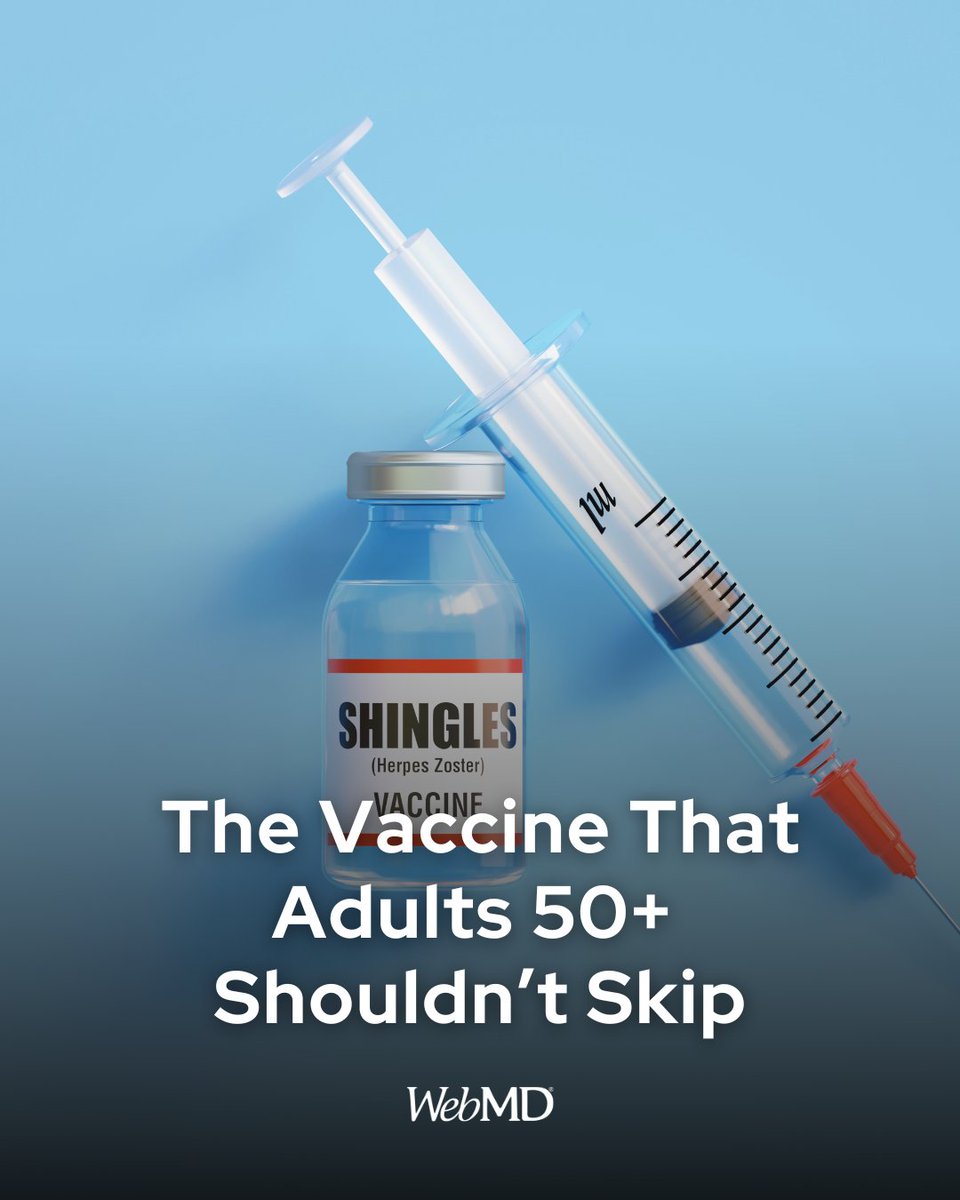
The shingles vaccine, recommended for adults aged 50 and older, protects against precisely these kinds of outcomes. The vaccine is administered in two doses, spaced between two and six months apart, and clinical trials show that the second dose boosts protection to as much as 90%. Studies also suggest that the vaccine lowers the risk of related complications such as vascular dementia and heart conditions, which have been linked to shingles-induced inflammation.
Despite its proven effectiveness, vaccination rates remain troublingly low. Health departments report that fewer than one in five adults over 50 have completed both doses. Experts attribute the gap to several factors: a lack of awareness, concerns about side effects, and the misconception that only the elderly are at risk. For many, the disease only becomes real after an encounter with someone who suffers lasting effects.
After enduring her ordeal, the 52-year-old woman received the vaccine post-infection and has since become a vocal advocate for adult immunization. “If I had known how serious shingles can be, I would have gotten vaccinated years ago,” she told clinicians in a follow-up interview. “The hearing loss is permanent. I can manage it, but I wish I had the chance to prevent it.”
The Growing Burden of Shingles in an Aging Population
Public health data reveal that shingles affects nearly one in three adults during their lifetime, with approximately one million cases reported annually in the United States alone. As the population continues to age, experts predict that incidence will climb unless vaccination coverage improves. The Centers for Disease Control and Prevention (CDC) notes that older adults face not only a higher risk of infection but also of developing complications severe enough to impair quality of life.
Globally, the rise in shingles mirrors demographic trends seen in Europe, Japan, and Canada—regions with rapidly aging populations. A similar pattern emerges across nations with strong childhood vaccination programs against chickenpox: fewer varicella infections in children mean fewer natural “boosts” to adult immunity, leaving older generations more vulnerable to viral reactivation later in life. These trends underscore the critical role of targeted adult vaccination programs.
Economic Toll and Healthcare Strain
The economic impact of shingles extends beyond hospital stays and antiviral prescriptions. Chronic pain management, rehabilitation, and productivity loss create a mounting burden for both patients and healthcare systems. Studies estimate that shingles and its complications cost the U.S. economy roughly $1 billion annually in direct medical expenses and lost productivity. When factoring in long-term care for lingering pain or neurological symptoms, that figure may climb much higher.
Shingles also strains healthcare resources in subtler ways. Emergency departments often see patients initially presenting with confusing or misleading symptoms — from ear pain to facial weakness — requiring multiple consultations and imaging tests before a proper diagnosis is made. This diagnostic complexity not only delays care but adds costs and workload to already overstretched systems, particularly those caring for aging populations.
Historical Context: From Chickenpox to Shingles Protection
Decades ago, adults were commonly exposed to chickenpox through contact with children, providing incidental immunity boosts that reduced shingles risk. However, the introduction of widespread varicella vaccination in the 1990s drastically decreased those exposures. While this has been an unquestionable success in preventing childhood illness, it has inadvertently contributed to a gradual rise in shingles among older adults.
Recognizing the shifting landscape, scientists developed the first shingles vaccine in 2006, followed in 2017 by a more effective recombinant version now widely available. The modern two-dose vaccine represents a major breakthrough, offering long-lasting protection without relying on live virus components. Public health officials continue to emphasize that, unlike some vaccines, the shingles shot remains beneficial even for individuals who have previously had the disease or received older vaccine variants.
Regional Comparisons: Lessons From Abroad
Countries such as the United Kingdom and Australia provide valuable examples of how structured vaccination campaigns can improve public health outcomes. The UK’s National Health Service (NHS) introduced a shingles vaccination program for people in their 70s over a decade ago, leading to a significant reduction in severe cases and hospitalizations. Australia followed with similar success, achieving immunization rates nearly double those in the United States through community outreach and digital reminders for second doses.
In contrast, the U.S. vaccination campaign relies primarily on individual patient initiative and healthcare provider recommendation. Experts argue that without broader awareness campaigns, rural and lower-income communities will continue to see lower vaccination rates. Bridging this gap could help avoid preventable suffering and reduce the long-term health burden associated with shingles complications.
Expert Warnings and Next Steps
In light of this recent severe case, infectious disease specialists are renewing their calls for adults to prioritize shingles vaccination alongside influenza and COVID-19 boosters. They emphasize that vaccination remains the most effective tool to reduce both infection rates and complications.
Dr. Emily Martin, an epidemiologist specializing in viral infections among older adults, commented that the situation “should serve as a wake-up call.” She noted that the risks of shingles are not confined to the frail or chronically ill but include otherwise healthy adults whose immune systems weaken naturally with age. “We are seeing more cases where shingles leads to hearing loss, vision problems, or chronic pain that lasts years. These are preventable outcomes,” she said.
Healthcare providers are now urged to discuss the shingles vaccine during annual checkups for adults starting at age 50. Pharmacies and clinics are expanding access through walk-in appointments, aiming to make completion of the two-dose series more convenient.
A Personal Lesson With a Public Message
For the woman who lost her hearing to shingles, the lesson has become a lifelong advocacy mission. She now speaks publicly about her experience, particularly to community groups and wellness classes, emphasizing that the disease carries risks few people fully appreciate. Despite the stigma or misplaced embarrassment some feel about adult vaccinations, she insists the choice is clear: prevention is far less painful than recovery.
Her message resonates at a crucial moment. With populations aging and healthcare systems under strain, vaccination offers a simple, cost-effective defense against a disease capable of inflicting lasting physical and emotional damage. Experts agree the case offers a powerful reminder — that the virus waiting quietly in the nerves of millions can be disarmed through timely action.
In the growing conversation about adult immunization, shingles vaccination now stands as both a personal health safeguard and a broader public health priority. For those over 50, the takeaway is clear: the time to protect oneself is before shingles strikes.