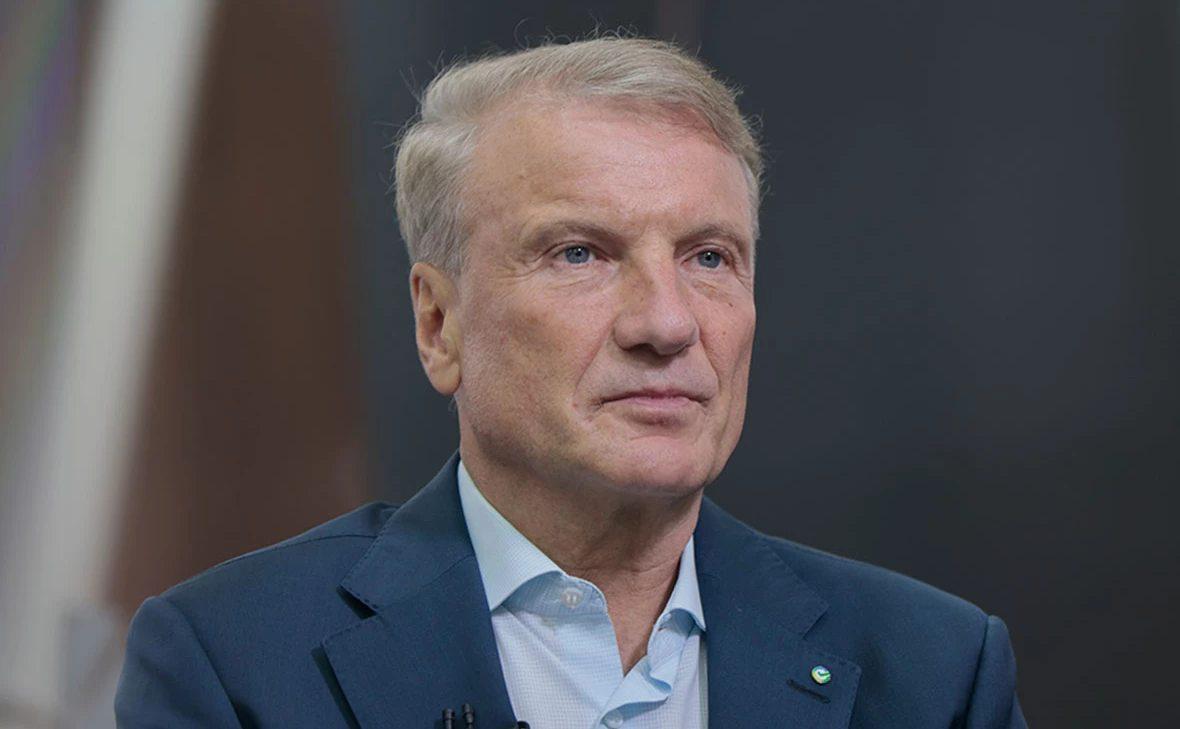
Herman Gref Says War’s End Is the Main Concern in Russia
Herman Gref, the chief executive of Sberbank, Russia’s largest state-controlled bank, said the most urgent issue facing the country is the fastest possible end to the war. The remark stands out because it comes from one of the most influential figures in Russia’s financial sector, a man whose institution sits at the center of everyday banking, corporate lending, and digital payments across the country.
What Gref Said
Speaking at Sberbank’s annual shareholder meeting, Gref said he did not think there was a person in the country with concerns other than the swift end of the military actions. His comment was notable for its directness and for the unusually broad framing of public sentiment it implied.
Gref’s statement matters because he is not a marginal voice. He runs a bank that is deeply embedded in the Russian economy and has long been closely associated with the state, making his remarks significant in both financial and political terms.
Why It Matters
Sberbank is Russia’s biggest lender and a pillar of the domestic financial system, so comments from its chief executive often carry weight beyond the banking sector. Gref has also been a long-standing senior figure in Russian public life, including earlier service as economics minister, which gives his words added institutional significance.
The timing is especially important because Russian businesses and households continue to face the effects of sanctions, disrupted trade, limited access to foreign financial markets, and the long-term strain of wartime spending. In that setting, a statement emphasizing the desire for the war to end quickly signals how the conflict continues to shape economic expectations inside Russia.
Sberbank’s Role
Sberbank is more than a commercial lender. It serves millions of retail customers, companies, and regional clients, and it plays a major role in Russia’s payment infrastructure and digital banking ecosystem. Gref has previously said the bank preserved stability despite severe external pressure and sanctions.
The bank has also had to adapt to the loss of foreign assets and restrictions on international operations. Gref has described the bank as having rebuilt much of its functioning through in-house technology and domestic solutions, underscoring how sanctions accelerated the localization of parts of Russia’s financial system.
Economic Pressures
Russia’s wartime economy has shown resilience in some areas, but that resilience has come with costs. Elevated state spending, labor shortages, import constraints, and shifts in investment priorities have altered the business landscape, while banks have had to navigate sanctions-linked barriers that affect currencies, clearing, cross-border transactions, and foreign asset exposure.
For a bank such as Sberbank, the challenge has been twofold: maintain day-to-day financial services while operating in a more isolated environment. Gref has said the institution continued serving clients even in difficult border regions and has worked to preserve operational continuity despite extraordinary pressure.
Historical Context
Gref has long been seen as a key technocratic figure in Russia’s economic establishment. He became widely known in government before moving into banking leadership, and over the years he has been associated with modernization, digitalization, and the push to strengthen domestic financial infrastructure.
That history makes his latest comment especially striking. Public figures in major Russian institutions have often used cautious language about the war, so a statement focusing on the need for a rapid end to hostilities suggests a sharpened sense of urgency about the conflict’s length and its economic drag.
Regional Comparisons
Across the region, large financial institutions have adapted differently to the war and sanctions environment. In Ukraine and neighboring countries, banks have had to operate amid direct security risks, while in Russia the central challenge has been sustaining a large domestic financial system under external restrictions and reduced international integration.
Compared with private Russian lenders or consumer-facing businesses, Sberbank has had greater capacity to absorb shocks because of its scale, state support, and domestic reach. But that scale also means it is a better barometer of broader economic stress, since disruptions at Sberbank ripple through households, firms, and regional economies more widely than those at smaller banks.
Broader Significance
The statement also reflects a wider reality: in wartime, even powerful economic actors tend to focus on stability, predictability, and the restoration of normal commercial life. When a bank chief who has spent years emphasizing resilience and continuity says the main concern is ending the conflict, it underscores how deeply the war has entered the calculations of Russian business.
Whether interpreted as a financial assessment, a public sentiment snapshot, or a carefully chosen institutional message, Gref’s remark highlights a simple fact: the longer the war continues, the more it shapes banking, trade, investment, and household confidence in Russia.