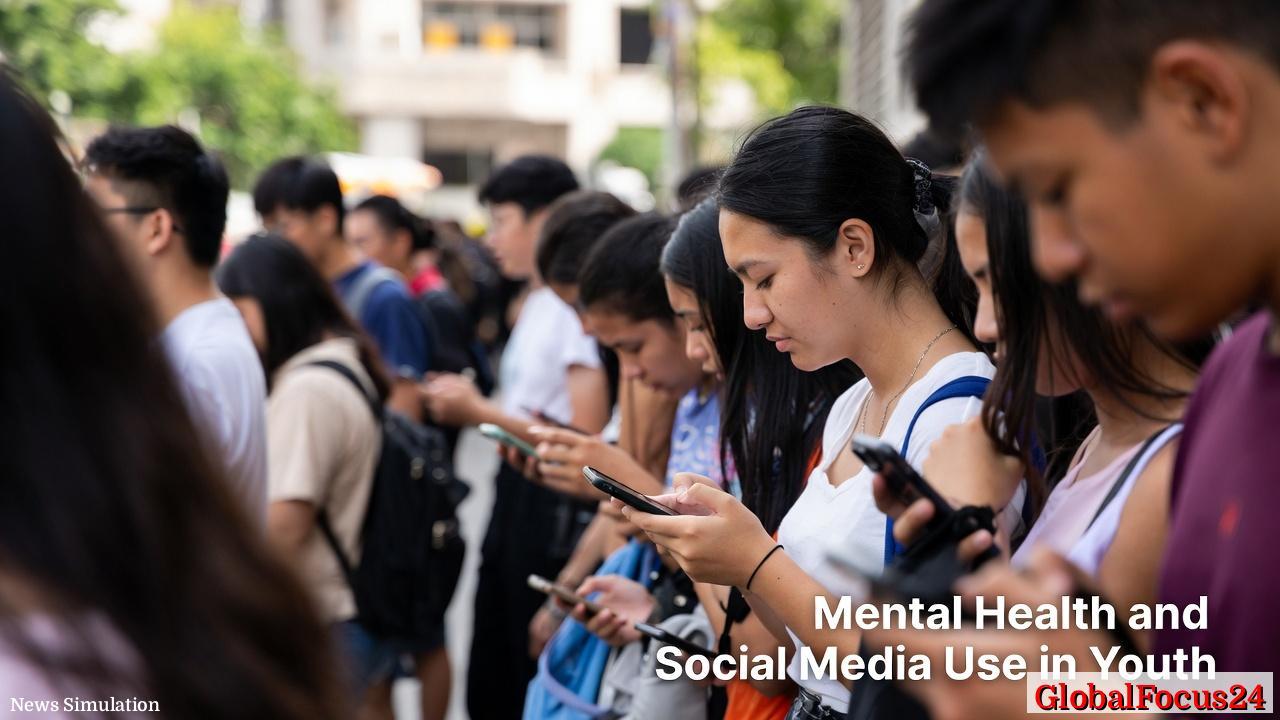
Global Youth Mental Health: Rising Anxiety Linked to Social Media Usage Across Regions
In recent years, researchers and policymakers have sounded the alarm about a mounting crisis in youth mental health. Across diverse regions, rates of depression and anxiety among young people have surged in tandem with the rapid expansion of social media use. This phenomenon, observed through longitudinal studies and large-scale surveys, underscores the complex interplay between digital life, social dynamics, and well-being. As communities navigate the implications, historians, economists, educators, and public health professionals are seeking data-driven pathways to support younger generations without sacrificing the benefits of connected, information-rich environments.
Historical context: a technology-driven social shift To understand the current landscape, it helps to trace the arc of social connectivity over the past two decades. The early 2000s introduced platforms that prioritized direct communication and profile curation, gradually evolving into sophisticated ecosystems that curate content through algorithms designed to maximize engagement. By the mid-2010s, smartphones had become ubiquitous, turning social media from a desktop pastime into a constant companion for millions of adolescents and young adults. The resulting shift in daily routines—less in-person interaction, more screen-based activity—repositioned social feedback as a primary social currency. While this transformation accelerated information sharing, it also amplified exposure to negative content, online trolling, and comparisons with carefully crafted online personas. The broader cultural impact includes shifts in self-image, attention spans, and coping strategies, all of which influence mental health outcomes.
The scale of the challenge: where anxiety and depression trends converge Multiple independent studies have documented a notable rise in depressive and anxious symptoms among youths over the last decade. While causality is complex and multifactorial, a consistent pattern emerges: greater time spent on social media correlates with higher reported levels of loneliness, cyberbullying exposure, disrupted sleep, and heightened fear of missing out (FOMO). Researchers emphasize that it's not merely the presence of social platforms, but how they are used—constructive engagement versus passive scrolling, exposure to idealized lifestyles, and the intensity of online social feedback loops—that shapes psychological responses. In regions where digital penetration is highest, the observed trend lines for adolescent mental health tend to be more pronounced, though protective factors such as supportive family environments, school-based mental health resources, and digital literacy programs can mitigate risk.
Regional comparisons: impact patterns and resilience factors
- North America: Adolescents face high exposure to highly curated content and algorithm-driven recommendations. Studies indicate a nuanced picture where moderate, purposeful use can coexist with periods of wellbeing, but heavy passive consumption correlates with increases in rumination, social comparison, and sleep disruption. Schools and communities have responded with mental health curricula, digital citizenship education, and parent-focused guidance to promote healthier online habits.
- Europe: Many countries report rising anxiety and mood symptoms among youth, with cross-national differences reflecting variations in school stress, social support networks, and access to mental health services. Regions with robust youth services and early intervention programs show more favorable trajectories, suggesting that policy design—such as easy access to counseling and puberty-informed support—can blunt deterioration in mental health statistics.
- Asia-Pacific: The rapid uptake of smartphone technology and social platforms has produced a diverse landscape. In some markets, intense academic pressure intersects with digital life, intensifying stress for students. Yet there are success stories where schools embed well-being practices, mindfulness, and digital literacy into curricula, helping students navigate online spaces more securely.
- Latin America and Africa: Emerging data point to widening access to mobile internet as a double-edged sword. On one hand, connectivity expands educational opportunities and social connection; on the other, it introduces cyber risks and disruptive patterns of use for vulnerable youth. Community-based programs, family education, and local peer-support networks have shown promise in fostering resilience in these contexts.
Economic impact: beyond personal wellbeing The mental health of young people carries tangible economic consequences. When anxiety and depression hinder educational attainment or limit workforce readiness, long-run earnings trajectories can be affected. Employers increasingly recognize the importance of mental health support as part of a healthy, productive workforce. Policymakers are examining cost-effective interventions—ranging from school-based counselors to community mental health centers, digital mental health tools, and telehealth expansion—that deliver broad social returns by reducing absenteeism, improving academic performance, and enabling youth to participate more fully in the economy. Early investments in mental health services correlate with lower long-term societal costs, as untreated conditions often compound over time.
Public health responses and policy options To address rising distress among youths, public health strategies emphasize a mix of prevention, education, and access. Core components include:
- Digital literacy and media education: Teaching youths to critically evaluate online content, manage screen time, and cultivate healthy online identities.
- Sleep and device-use guidelines: Encouraging consistent sleep schedules and device-free periods during the night to counteract sleep disturbances linked to late-night scrolling.
- Social-emotional learning: Integrating curricula that bolster resilience, empathy, and coping strategies within schools.
- Access to mental health care: Expanding school-based counseling, teletherapy options, and community clinics to reduce barriers to care.
- Family and community engagement: Providing resources for parents and guardians to recognize signs of distress and support open conversations at home.
- Safety and anti-bullying measures: Strengthening reporting mechanisms and creating safer online spaces through platform partnerships and school policies.
How regions can build resilience without stifling opportunity Best practices emphasize balance and proactive support rather than alarmist restrictions. A practical approach includes:
- Structured, purposeful online activities: Encouraging youths to use social platforms for collaborative projects, creative expression, and positive peer feedback.
- Mental health literacy campaigns: Normalizing conversations about mood, stress, and coping strategies to reduce stigma and promote help-seeking behavior.
- Community-based programs: Local initiatives that pair digital skill-building with social support networks to foster a sense of belonging and resource access.
- Data-driven monitoring: Collecting regional data on youth mental health, digital usage patterns, and intervention outcomes to tailor programs effectively.
- Cross-sector collaboration: Aligning education, health, technology, and civil society to create comprehensive support ecosystems.
Public reaction and societal signals Public response to rising youth distress is multifaceted. Some communities report increased demand for counseling services in schools and clinics, signaling improved help-seeking awareness. Others worry about the long-term social costs if anxiety and depression remain inadequately addressed. Media coverage, parental concerns, and student-led advocacy have contributed to a broader conversation about healthier digital environments. In many places, there is growing emphasis on designing platforms that reduce harm, promote well-being, and provide transparent controls for users and guardians.
Methodological notes: how researchers track the trend The observed link between social media use and mental health outcomes relies on a combination of cross-cultural surveys, longitudinal cohort studies, and real-world data from digital platforms. Researchers caution that correlation does not imply causation, and they stress the role of confounding factors such as offline stressors, socioeconomic status, family dynamics, and preexisting mental health conditions. Nevertheless, consistent associations across multiple studies strengthen the case for targeted interventions that address both online experiences and real-world supports for youths.
Historical context revisited: learning from past tech cycles Looking back at earlier tech-driven social shifts, policymakers and educators can draw lessons about balancing innovation with well-being. When new communication tools emerged, communities that emphasized digital literacy, critical thinking, and inclusive norms tended to experience smoother transitions. The current moment resembles such inflection points, with a growing emphasis on protecting mental health while preserving the educational and social benefits of connected technology. By combining rigorous research with practical programs, societies can negotiate a path that reduces distress and expands opportunities for young people.
Regional success stories and models to watch Some districts and cities have piloted comprehensive programs that integrate mental health resources with digital education. For example, schools that implement mandatory wellness checks, provide easy access to teletherapy, and offer teacher training in recognizing early signs of distress tend to report improvements in student engagement, attendance, and performance. In addition, cross-border collaborations among universities, health agencies, and tech companies are exploring responsible design choices that minimize addictive patterns while maintaining user autonomy. These experiments, though varied in scope, collectively point toward scalable strategies that يمكن translate across contexts with appropriate cultural adaptations.
Conclusion: charting a way forward The rising prevalence of anxiety and depression among youths, tied in part to widespread social media use, presents a pressing public health and economic concern. Yet the path forward is not to retreat from digital life but to shape it with intention—through education, accessible mental health care, and community-supported resilience-building. By grounding policies in robust data, sharing best practices across regions, and prioritizing the well-being of young people, societies can foster environments where digital connectivity enhances learning, creativity, and social connection while safeguarding mental health. The coming years will test the effectiveness of these strategies, but they also offer an opportunity to redefine how communities nurture the next generation in a highly connected world.