Coalition Halts Oregon Ballot Measure on Equality Rights After Signature Shortfall
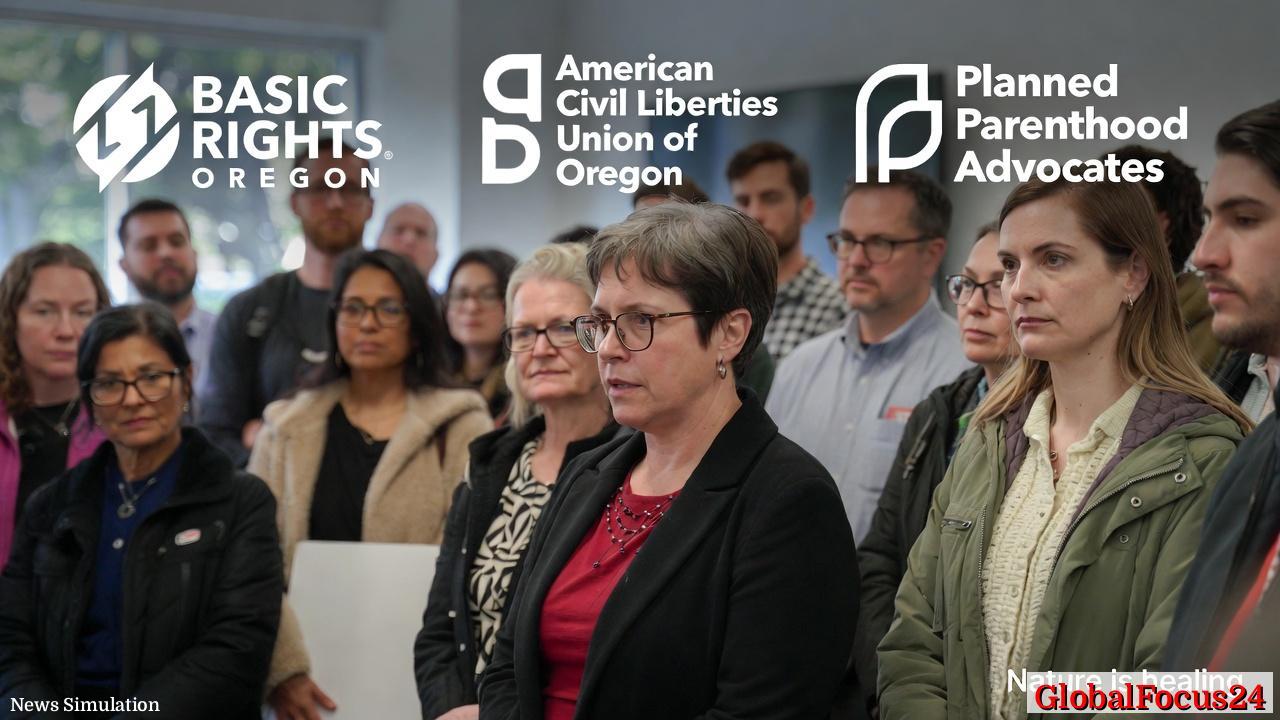
A coalition of Oregon advocacy groups has withdrawn its campaign to place a constitutional amendment on the November 2026 ballot that would have enshrined abortion access, transgender health care, and same-sex marriage in the state constitution. The initiative, identified as Initiative Petition 33 or Equal Rights for All, was led by several prominent civil rights organizations, including Basic Rights Oregon, the American Civil Liberties Union of Oregon, and Planned Parenthood Advocates. With signature gathering effectively winding down, organizers disclosed that the measure would not qualify for the ballot, marking the end of a long-running effort to secure constitutional protections for these issues through direct democracy.
Historical Context: Oregon’s Patchwork of Protections and Debates
Oregon has long been at the forefront of social policy innovation in the American West. The state’s political culture blends progressive inclinations in urban centers with more varied views in rural areas, creating a landscape where policy debates unfold with both urgency and nuance. In the realm of reproductive rights and LGBTQ+ protections, Oregon has established a track record of permissive policies compared with many neighboring states, while still facing the political and logistical challenges inherent in expanding constitutional safeguards.
Abortion access in Oregon is supported by a framework that includes access to abortion services, a state-level approach to reproductive rights, and a set of regulations intended to safeguard patient privacy and provider autonomy. This environment has historically attracted both supporters who view abortion access as a fundamental right and opponents who voice concerns about moral and religious considerations. In the realm of transgender health care, Oregon has enacted protections designed to reduce discrimination and expand access to care for transgender individuals, including anti-discrimination measures and supportive health policies. Similarly, same-sex marriage has enjoyed broad legal recognition in Oregon since the 2015 Supreme Court ruling established national recognition; however, activists have continued to pursue state-level guarantees to preserve rights beyond federal protections, particularly in light of evolving conversations around religious accommodations and access to public accommodations.
The Equal Rights for All initiative sought to move these protections from statute into the Oregon Constitution. Advocates argued that constitutional protection would provide durable safeguards against potential future changes in statute or executive policy, creating a more stable legal framework for vulnerable communities. Opponents of such amendments have raised concerns about the difficulty of amending a constitution should unintended consequences arise, as well as the potential for strict constitutional language to complicate future policy adjustments. The signature drive, which began in earnest in May 2025 after the campaign’s formal launch in June 2024, was designed to mobilize broad support across urban and rural communities, as well as diverse demographic groups, in order to secure the required threshold of valid signatures.
Economic and Demographic Impacts: Why Ballot Measures Matter
Ballot initiatives of this scope can have meaningful economic implications, particularly in states with robust economies and active civic engagement. When constitutional protections are proposed for social issues such as abortion access, LGBTQ+ rights, and marital equality, the potential economic impact often centers on how businesses and residents perceive the state’s regulatory and cultural climate. For employers, predictable policy environments can influence decisions about location, investment, and workforce planning. For residents, constitutional protections may affect access to healthcare services, coverage options, and non-discrimination policies that influence daily life, housing stability, and financial security.
From an economic lens, the Oregon measure’s intended effects would have reinforced the status quo of broad protections for reproductive rights and LGBTQ+ rights, signaling a relatively stable policy climate for industries that rely on diverse talent pools and inclusive workplaces. The absence of a constitutional amendment leaves current statutes and ballot measures in place, meaning policy continuity will likely be maintained by existing legislative and judicial interpretations rather than a constitutional framework. In practical terms, this outcome doesn’t erase the lived experiences of communities seeking protections; it simply alters the vehicle through which those protections are safeguarded.
Regional Comparisons: Neighboring States and National Trends
Oregon’s approach to social protections sits within a broader Western U.S. pattern, where several states have pursued constitutional or statutory protections for LGBTQ+ rights and reproductive access in recent years. In neighboring jurisdictions, constitutional protections can vary widely. For instance, some states have embedded rights in their constitutions with varying degrees of judicial review and public support, while others have chosen to protect these rights through statute or enacted regulatory measures that could be altered by future legislative action or court decisions.
Compared with states that have seen aggressive efforts to roll back rights or restrict access to reproductive health services, Oregon’s campaign represented a more expansive, rights-based strategy. The decision to halt signature gathering after a calculation of the required threshold—12,402 valid signatures by January’s end, far from the 156,231 valid signatures needed—highlights the practical realities of ballot initiatives. Even though organizers claimed higher totals, the official validation process emphasizes that not all collected signatures meet the stringent validity criteria, including geographic distribution and compliance with state rules.
Public Reaction: A Spectrum of Voices
Public reaction to the decision to end the campaign has been mixed, reflecting the diverse political and cultural currents across Oregon. Supporters of equal rights for abortion access, transgender health care, and same-sex marriage have framed the move as a pause rather than a retreat, indicating a willingness to pursue these protections through other legal channels, such as legislative advocacy, executive actions, or future ballot initiatives if circumstances evolve. Critics of constitutional amendments argue that embedding sensitive policy issues in a constitution can create rigidity, complicate future policy changes, and entrench political battles that persist beyond a single election cycle.
In urban centers like Portland and Eugene, the public discourse has tended to emphasize the importance of safeguarding civil liberties and ensuring access to healthcare. In more rural or conservative-leaning areas, conversations have centered on balancing rights with concerns about religious freedom, parental rights, and local governance. The mixed tone across communities underscores the complexity of translating broad civil rights goals into durable constitutional language that resonates across the state’s diverse population.
What Comes Next: Advocacy and Pathways Forward
With the initiative’s signature drive concluding without qualification for the ballot, groups behind Equal Rights for All say they will continue to advocate for the same issues through other channels. This could involve sustained lobbying at the state Capitol to advance supportive legislation, public education campaigns aimed at increasing awareness and understanding of reproductive, transgender, and marital rights, and potential future ballot initiatives should the political landscape shift in a way that makes another petition drive feasible and strategically viable.
Advocates may also pursue improvements in state-funded healthcare access, non-discrimination protections, and public health programs that align with the broader goals of the coalition. The decision to shift focus from a constitutional amendment to a broader advocacy strategy reflects a pragmatic assessment of resources, public sentiment, and the legislative environment. Even as thereads of a campaign termination, the underlying issue remains a persistent and evolving policy conversation that touches healthcare, civil rights, and the daily lives of Oregon residents.
Legal Considerations: The Mechanics of Signature Drives
Signature drives for constitutional amendments in Oregon are governed by a framework that includes thresholds for valid signatures, geographic distribution requirements, and deadlines that shape the campaign’s tempo. To qualify for the ballot, organizers must submit a specified number of valid signatures, which are then subject to validation by county election officials. The process often involves layers of verification, legal scrutiny, and the potential for signatures to be challenged or disqualified for technical reasons. In this case, the campaign reported substantial fundraising activity—approximately $1.3 million spent since its inception—yet faced the practical obstacle of meeting the rigorous signature threshold. The discrepancy between claimed totals and validated signatures is not unusual in high-stakes ballot campaigns, where organizers must balance field operations, legal compliance, and the political headwinds that accompany sensitive policy questions.
Policy Implications: What Today Means for Oregon
The cessation of this particular initiative does not silence the ongoing dialogue around reproductive rights, transgender health care, and equal marriage protections in Oregon. Policy-makers, advocates, and residents will continue to navigate these issues through a combination of existing statutes, judicial decisions, and future legislative sessions. The absence of a constitutional amendment places emphasis on legislative actions to protect or expand rights, while still ensuring access to healthcare and anti-discrimination protections under current law. The political ecosystem in Oregon—characterized by active civic engagement and organized advocacy groups—will likely continue to shape how these issues are addressed in the years ahead.
Regional Economic Indicators: Healthcare, Employment, and Growth
From an economic perspective, Oregon’s healthcare sector remains a significant component of the regional economy, with employment in hospitals, clinics, and related services contributing to job stability and growth. Legislation and policy that affect access to reproductive health services and transgender healthcare can influence workforce planning, health insurance markets, and the financial well-being of residents who rely on robust and affordable healthcare. While a constitutional amendment would have signaled strong long-term protections, the current landscape still supports a climate of innovation in healthcare delivery, insurance options, and employer-based benefits that respond to an increasingly diverse population.
In the broader Pacific Northwest region, neighboring states with varying degrees of protective measures may influence migration patterns, investment decisions, and cross-border collaboration. Businesses often weigh the regulatory environment, the stability of civil rights protections, and the availability of a skilled labor pool when deciding where to locate new operations or expand existing ones. The Oregon outcome, in this case, aligns with a cautious, multi-channel approach to safeguarding rights—favoring incremental policy adjustments and dynamic advocacy over a singular constitutional remedy.
Voices from the Ground: Local Activists and Stakeholders
Interviews and public statements from organizers, allies, and critics reveal a coalition deeply invested in the issues at hand. Activists emphasize the importance of protecting bodily autonomy, ensuring inclusive health care, and safeguarding marriage equality as fundamental civil rights. They argue that constitutional protections create a durable shield against potential policy reversals, especially in a dynamic political environment where national debates echo into state policy discussions. Critics, including some business leaders and residents who prioritize flexibility in governance, caution against locking in complex issues within constitutional text, warning that rigid language could complicate future policy updates or adjudication.
The conversation also highlights practical considerations faced by campaign organizers: fundraising logistics, volunteer coordination, and compliance with election laws. The scale of the operation—hundreds of volunteers, field offices, and outreach programs—illustrates the substantial civic energy that state ballot campaigns can mobilize. Even when a campaign falls short of qualification, the mobilization informs future efforts, shaping how communities organize, inform themselves, and participate in political processes.
Conclusion: A Quiet Shift in Oregon’s Civic Landscape
The decision to end the Equal Rights for All initiative underscores a pivotal moment in Oregon’s ongoing dialogue about civil rights, healthcare access, and marriage equality. While the campaign did not reach its ballot goal, the issues at the heart of the proposal continue to resonate with many Oregon residents and advocacy organizations. The absence of a constitutional amendment does not erase the aspiration to protect fundamental rights; rather, it reframes the path forward, inviting continued engagement through legislative advocacy, public education, and potentially new ballot initiatives in the future.
As Oregon continues to navigate these complex questions, observers can expect a multifaceted policy agenda that blends health care access, anti-discrimination protections, and the practical realities of governance. The coming years will likely feature a persistent push to safeguard rights while balancing concerns from diverse segments of the population, a familiar pattern in regions where social policy is both deeply personal and broadly consequential. The dynamic between advocacy, policy, and public opinion will continue to shape Oregon’s trajectory on these critical issues, reflecting a state that values both principled advocacy and pragmatic governance.
Would you like me to tailor a shorter version of this article for a specific publication audience, or expand any section with local case studies or quotes from regional stakeholders?