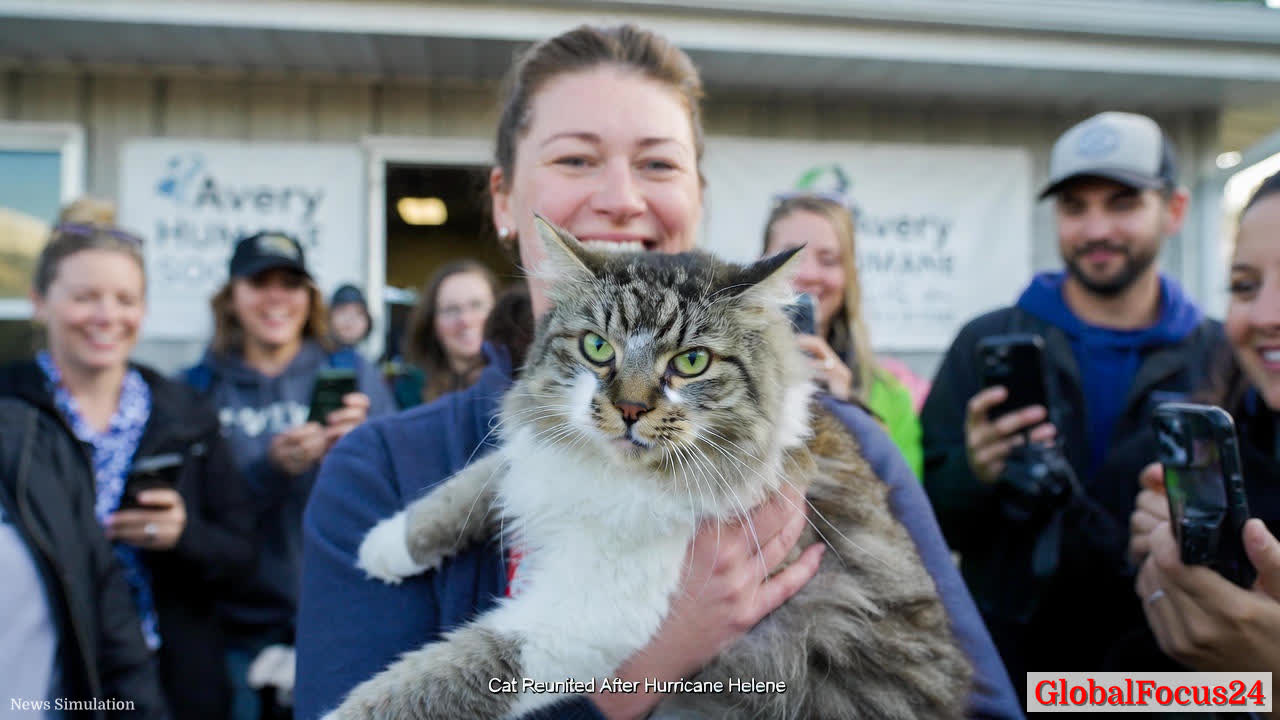
Gabby’s Miracle: A Yearlong Reunion Highlights Microchip Security and Disaster Response
In a story that reads like a modern fable of resilience, a family in North Carolina was reunited with their cat Gabby after 443 days apart, a separation precipitated by Hurricane Helene last fall. The rescue and subsequent identification through a microchip underscore a broader narrative about pet safety, disaster response, and the economic and social ripple effects of severe storms. While the reunion is a singular, heartening event, it sits within a larger tapestry of animal welfare practices, shelter networks, and regional preparedness that influence how communities recover after natural disasters.
Historical context: Hurricanes, displacement, and pet safety Hurricane Helene’s September 2024 landfall along the Southeastern United States marked one of the more devastating storm events in recent memory. With extensive wind damage, flooding, and power outages across six states, Helene forced thousands of residents to evacuate, while many pets were separated from their families or left behind in the chaos. Historical patterns show that during major storms, household pets are at heightened risk of becoming lost or displaced, complicating reunification efforts long after the initial emergency response ends. The Gabby incident echoes a long line of post-disaster pet reunions that have, over time, helped families recover more fully and communities rebuild their sense of normalcy.
The economic dimension: Costs, care, and resilience Beyond the emotional impact, pet displacement carries tangible economic consequences for households and local systems. For families, costs can accumulate quickly when pets are lost or when sheltering is required during a disaster. Microchips, while inexpensive at the point of enrollment, reduce those costs by improving the likelihood of a successful reunion, thereby limiting the financial and emotional toll of separation. Shelters and humane societies also face staffing, care, and medical expenses as they manage influxes of displaced animals during and after emergencies. The Gabby case illustrates how a single act—microchipping—can produce outsized benefits: a verified return reduces long-term shelter occupancy, accelerates adoption cycles for other animals, and reinforces donor confidence in community-based rescue networks.
Regional comparisons: How different areas approach pet reunification In the Southeast, where Hurricane Helene impacted multiple coastal counties and inland communities, animal welfare organizations have invested in cross-agency data sharing, microchip registries, and public awareness campaigns to maximize reunification rates. Similar efforts exist in other storm-prone regions, though implementation varies. For example:
- In coastal U.S. states with frequent hurricane exposure, rapid sheltering protocols and mass pet reunification drives are often coordinated with veterinary networks, animal control, and volunteer responders.
- Inland disaster zones rely on robust microchip registries and rescue partnerships to locate owners who may be scattered across counties or states after a large-scale event.
- Regions facing wildfires or floods also emphasize microchips and up-to-date owner contact information, recognizing that displacement can be as chaotic as any weather event, if not more prolonged in some cases. Across these regions, the Gabby story demonstrates that universal adoption of microchipping and proactive data maintenance can yield consistent benefits, irrespective of the specific disaster type.
The human element: Community response and public sentiment The public reaction to Gabby’s reunion has been marked by warmth and optimism, with social media users describing the moment as a “Christmas miracle.” This kind of public engagement can bolster morale in communities still recovering from disaster aftershocks. Pet reunions, while emotionally powerful, also serve as unifying events that bring neighbors together, reinforce trust in local institutions, and highlight the value of small, practical steps—such as microchipping—that collectively enhance resilience.
Microchips, the quiet heroes of post-disaster recovery Microchips in pets function like portable, digital passports. When a dog or cat is scanned at a shelter or clinic, the unique identifier can trigger a callback to the owner’s contact information, medical history, and vaccination status. Gabby’s case—found as a stray and later identified via a microchip—illustrates how this technology accelerates the process of reuniting families after extended separations. The shelter’s emphasis on updating contact details and ensuring chip registration aligns with best practices in animal welfare: small, affordable measures that yield disproportionate returns in times of crisis.
Operational lessons for shelters and owners The story offers several practical takeaways for both pet owners and shelter systems:
- Microchip registration is essential, but the value lies in keeping information current. Owners should update phone numbers, addresses, and alternate contacts whenever life changes occur, such as moving residences or changing primary caregivers.
- Regular microchip checks should be integrated into routine veterinary visits or shelter intakes to confirm chip integrity and registration status.
- Community outreach around microchipping can be targeted before disaster season, emphasizing the ease, affordability, and life-saving potential of this practice.
- Shelters should maintain robust, interoperable databases that can be accessed by partner agencies, enabling cross-jurisdictional reunifications when displacement spans multiple counties or states.
- Public awareness campaigns after major storms can frame pet reunifications as a shared community win, encouraging broader participation in welfare initiatives and volunteering.
Public policy and future directions Disaster preparedness policies increasingly recognize the role of pets in household resilience. Municipal and state agencies may consider incentivizing microchip registration through low-cost clinics, subsidized preventive veterinary care, or streamlined processes for updating registry data after life changes. Investments in shelter infrastructure, disaster response training for volunteers, and regional data-sharing agreements can further improve reunification outcomes. While Gabby’s reunion is a single, joyous event, it underscores a systemic opportunity: with relatively modest investments, communities can convert potential heartbreak into hopeful outcomes.
A retrospective lens: Lessons from historical disasters Looking back at major storms, the pattern remains clear: the more proactive the pet-owner collaboration, the higher the likelihood of successful reunions. Hurricanes, wildfires, and floods disrupt routines, scatter households, and strain animal welfare networks. Yet the Gabby story demonstrates that when a microchip functions as designed, it can bridge months or even years of separation, restoring normalcy for families and reducing the long-tail burden on shelters. This aligns with broader evidence that investment in preventive measures—like microchipping and up-to-date contact records—yields durable social and economic benefits during recovery phases.
Regional success stories and ongoing work Numerous communities have reported improved reunification rates after implementing coordinated microchip registries and post-disaster intake protocols. While each event presents unique challenges, the core principle remains consistent: technology, partnerships, and public engagement can transform potential losses into recoverable moments. The Gabby reunion feeds into a larger mosaic of success stories that collectively reinforce the value of preparedness, community solidarity, and responsible pet ownership.
Conclusion: A symbol of resilience and practical wisdom Gabby’s 443-day journey from disappearance to reunion embodies more than a single family’s relief; it symbolizes the effective marriage of technology and compassionate care in a time of crisis. The case reinforces the practical wisdom that underpins modern disaster resilience: inexpensive, proactive measures can prevent heartbreak, speed recovery, and reinforce the social fabric that communities rely on when storms strike. As families across the region prepare for the next wave of weather-related challenges, Gabby’s Christmas miracle serves as a reminder of what is possible when ownership, community networks, and humane societies work in concert.
Notes for readers
- The event occurred in the wake of a major hurricane that caused significant fatalities and property damage across multiple states, highlighting the breadth of impact disasters have on both humans and animals.
- Microchips are a non-intrusive, durable means of enhancing pet safety, and keeping registry information current is just as important as having the chip itself.
Public reaction and messages from the field Shelter personnel and volunteers emphasized the emotional relief of reuniting families with their pets, while also urging the public to ensure their pets are microchipped and details are kept up to date. Community members expressed gratitude for the lifeline these small but meaningful actions provide during times of upheaval, reinforcing a shared commitment to responsible pet ownership and disaster readiness.
What this means for the future As climate-related events become more frequent and intense, the integration of technology, policy support, and community action will be increasingly important. The Gabby reunion illustrates a scalable model for improving pet reunification outcomes: accessible microchipping, reliable registries, and proactive owner engagement. If adopted broadly, these measures can reduce post-disaster stress for families and lighten the load on overwhelmed shelters, contributing to a more resilient regional economy and society.
Follow-up questions Would you like this article expanded to include a comparative chart of microchip adoption rates by state or a sidebar with tips for readers on how to microchip their pets and keep records up to date?