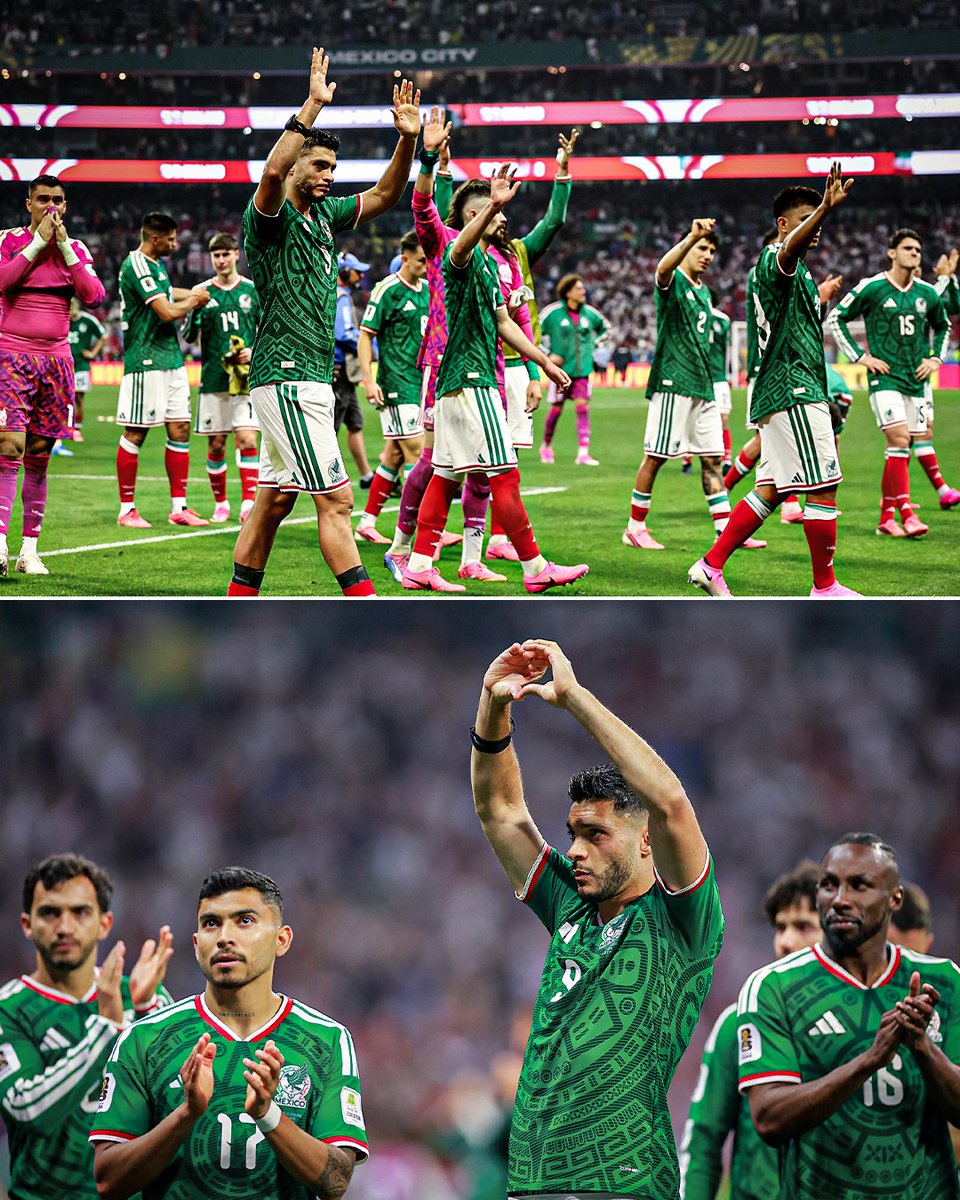
Mexico thanks their fans after a heartbreaking loss
In a moment that underscored the emotional power of football and the cultural weight of the national program, Mexico publicly thanked its legions of supporters after a heartbreaking loss that sent shockwaves through the country. The gesture, issued through a coordinated communications effort, reflected a long-standing tradition in Mexican sport: the recognition that the “afición” is an essential partner in every match, from the roar of the stands to the silence that follows a final whistle.
Historical context: a nation built on football fervor
- Mexico’s love affair with football stretches back generations, with the sport serving as a unifying force across diverse regions and communities. From the early professional leagues to the modern, globalized era of international tournaments, fans have become a defining character of the team’s identity. The recent moment of gratitude sits within a broader arc of resilience, where losses are met not merely with disappointment but with renewed commitment to future campaigns and the belief that the program learns and grows from adversity [cite ].
- The country’s domestic league system has long operated as a feeder and amplifier for national-team ambitions, turning local clubs into cultural hubs and economic engines that support youth development, stadium infrastructure, and broadcasting ecosystems. When the national team faces setbacks, the feedback loop between fans and federations often intensifies as communities rally around grassroots programs and charitable initiatives connected to the sport [cite ].
Economic impact: reverberations beyond the pitch
- Fan engagement around a national team game, especially a high-stakes playoff or knockout match, has tangible economic consequences. Stadium attendance, merchandise sales, and media rights drive revenue that supports clubs at all levels and contributes to local economies through tourism, hospitality, and transportation. The gratitude expressed to fans can strengthen brand loyalty, encourage continued participation in youth academies, and sustain sponsorship deals that are vital to the federation’s budget and planning processes [cite ].
- Regional markets that host matches, whether in Mexico City or other metropolitan hubs, experience short-term upticks in spending across retail, food services, and entertainment sectors. The emotional narrative surrounding a loss, balanced by public expressions of appreciation, can help maintain consumer confidence and stability in a sport that is deeply integrated into regional economies. Analysts often watch for these signals as indicators of longer-term revenue trajectories for leagues and national teams [cite ].
Regional comparisons: how Mexico’s response stacks up
- In many Latin American soccer ecosystems, fan reactions to losses vary from stoic perseverance to exuberant protest. Mexico’s approach—an organized public thank-you to supporters—reflects a mature relationship between the federation and its fan base, emphasizing continuity, shared identity, and a forward-looking mindset. Similar patterns can be observed in other football-rich nations where national pride is scaffolded by organized fan groups and robust media ecosystems, though the exact tone and channels may differ from country to country [cite ].
- Comparing Mexico to regional peers reveals a common emphasis on turning disappointment into constructive momentum. While some nations opt for introspection and policy-facing reform debates within federations, Mexico’s public acknowledgment of fans signals a preference for unity and resilience, reinforcing a culture that prizes communal memory and ongoing investment in player development and infrastructure. Such contrasts help illuminate how national programs manage expectations in the wake of losses and how that management translates into measurable outcomes over seasons and tournaments [cite ].
Public reaction: a chorus of voices from coast to coast
- Across major cities, fans reacted with a mix of solemn reflection and determined optimism. Social media feeds, local fan clubs, and public viewing events reflected a shared sentiment: respect for the effort, gratitude for unwavering support, and a call to translate heartbreak into discipline and preparation for the next challenge. In many communities, support networks, alumni associations, and youth programs were quick to frame the loss within the larger narrative of national sport as a long arc rather than a singular moment [cite ].
- Media narratives captured the spectrum of responses—from personal tributes to statistics-driven analyses of team performance and tactical adjustments. Journalists and analysts highlighted the emotional toll on players and coaching staff while emphasizing the importance of learning from mistakes, refining strategies, and maintaining confidence in the pipeline of talent that sustains the national program in future campaigns. This balanced coverage helped maintain public trust and kept conversations focused on progress and opportunity rather than blame [cite ].
Tactical and developmental takeaways: what comes next
- The immediate takeaway for the team is often twofold: reinforce the core tactical principles that have defined their identity and accelerate improvements in areas that most directly impact match outcomes, such as squad depth, conditioning, and set-piece execution. Coaches typically outline concrete steps—training emphases, player rotation plans, and scouted opponents for the next cycle—to convert emotional energy into technical and strategic gains. This dual focus on continuity and improvement helps prevent stagnation and keeps the program competitive on the global stage [cite ].
- For the federation and development programs, the loss can act as a catalyst for investing in youth academies, scouting networks, and domestic competition formats that broaden the talent pool. Increased attention to grassroots development, coaching education, and professional pathways can yield long-term dividends by elevating the overall standard of play across the country and ensuring a steadier pipeline of players who can contribute at senior international levels [cite ].
Background narratives: culture, fans, and the sport’s social footprint
- In Mexico, football is not just a sport; it is a social thread that weaves through families, neighborhoods, and urban and rural communities alike. The public display of gratitude to fans reinforces a shared sense of belonging and mutual responsibility between supporters and the national team. This dynamic, observed across multiple generations, underscores how sport serves as a cultural pillar and a vehicle for national pride that transcends wins and losses [cite ].
- The emotional landscape surrounding a “heartbreaking loss” often includes a broader chorus of resilience: charitable drives, community gatherings, and campaigns that channel fan energy into constructive social outcomes. This pattern is commonly seen in nations where sport occupies a central role in national identity, offering a constructive outlet for passion and a platform for unity in times of setback [cite ].
Conclusion: a moment of memory, a path forward
- The public thanks to fans after a heartbreaking loss captures the essence of Mexican football culture—united by a shared emotional journey, committed to continuous development, and driven by a belief that perseverance will pay off in future campaigns. As the team and its supporters look ahead to the next tournaments, the ongoing collaboration between players, coaches, the federation, and the public will shape not only performance on the pitch but the broader social and economic ripple effects that accompany a nation’s most cherished sport [cite ].
Author's note: the enduring bond between a nation and its team
- In Mexico, the relationship between the national team and its supporters is more than a response to outcomes; it is a sustained, multigenerational partnership that fuels ambition, finances, and regional momentum. The gratitude extended to fans underscores a shared commitment to growth, resilience, and the collective dream of future success on the world stage. As the calendar turns to the next season and tournament cycle, the energy of the afición will continue to drive the program forward, reflecting a culture that treats a loss not as a terminal moment, but as a catalyst for renewal and progress [cite ].