Lululemon Chief Executive Calvin McDonald to Step Down in January Amid Earnings Report: A Comprehensive Review
VANCOUVER, CANADA — In a development that重点 reshapes the leadership landscape of a globally recognized activewear brand, Lululemon Athletica Inc. announced that chief executive Calvin McDonald will depart the company at the end of January after nearly seven years at the helm. The move comes in tandem with the company’s third-quarter earnings release, which showed solid revenue growth but signaled evolving challenges in a highly competitive, rapidly changing market for athletic apparel.
A Significant Leadership Transition Calvin McDonald’s exit marks a pivotal moment for Lululemon, a brand known for its cult-like following, high-margin products, and a disciplined supply chain approach. Appointed in 2018 as the first CEO chosen from outside the company’s founding ranks, McDonald led a period of expansive growth that broadened Lululemon’s footprint beyond its traditional North American stronghold. His tenure saw the company push deeper into international markets, invest in product diversification, and reinforce Lululemon’s emphasis on experiential retail, community-building, and innovative fabric technologies.
Under McDonald’s leadership, Lululemon pursued a multi-pronged strategy: expanding into new geographies with targeted marketing and store formats, growing the omnichannel experience to blend online and in-store shopping, and launching a broader range of categories—men’s apparel, accessories, and wearable tech collaborations—aimed at widening the brand’s appeal while maintaining the premium positioning that has defined the company’s pricing power. These initiatives contributed to a steady revenue trajectory, even as the broader retail environment confronted inflationary pressures, supply chain complexities, and volatility in consumer discretionary spending.
Financial Snapshot Amid a Complex Landscape Lululemon’s third-quarter results provided a snapshot of the company’s resilience amid macroeconomic headwinds. Net revenue rose 7% to $2.6 billion, surpassing consensus estimates and signaling that the brand’s loyal customer base remains robust. Yet the release underscored ongoing hurdles, notably a slowdown in North American growth and higher operating costs that could compress margins if unchecked. Analysts and investors closely scrutinized how much of the top-line strength was driven by price realization, favorable product mix, or accelerating demand in international markets as the company continues to manage its expansive store rollout.
The earnings report arrived at a moment when the global activewear sector is contending with shifting consumer preferences, intensified competition, and broader economic uncertainty. Major players—Nike, Adidas, Under Armour, and emerging athletic-wue brands—are vying for share in a market that rewards innovation, functional performance, and brand storytelling. In this context, McDonald’s departure could catalyze strategic recalibration, including potential changes to product roadmaps, pricing dynamics, and international expansion tempo.
Short-Term Management Plan and Leadership Continuity In the interim, Lululemon has announced that Chief Financial Officer Meghan Frank and Chief Brand Officer André Maestrini will co-lead the executive team during the search for a permanent successor. This arrangement aims to preserve continuity in financial discipline, brand strategy, and day-to-day operations while signaling a structured transition to investors, employees, and partners. The board indicated its intention to identify a leader who can sustain the company’s premium positioning while driving innovation and efficiency in a highly digital, consumer-driven marketplace.
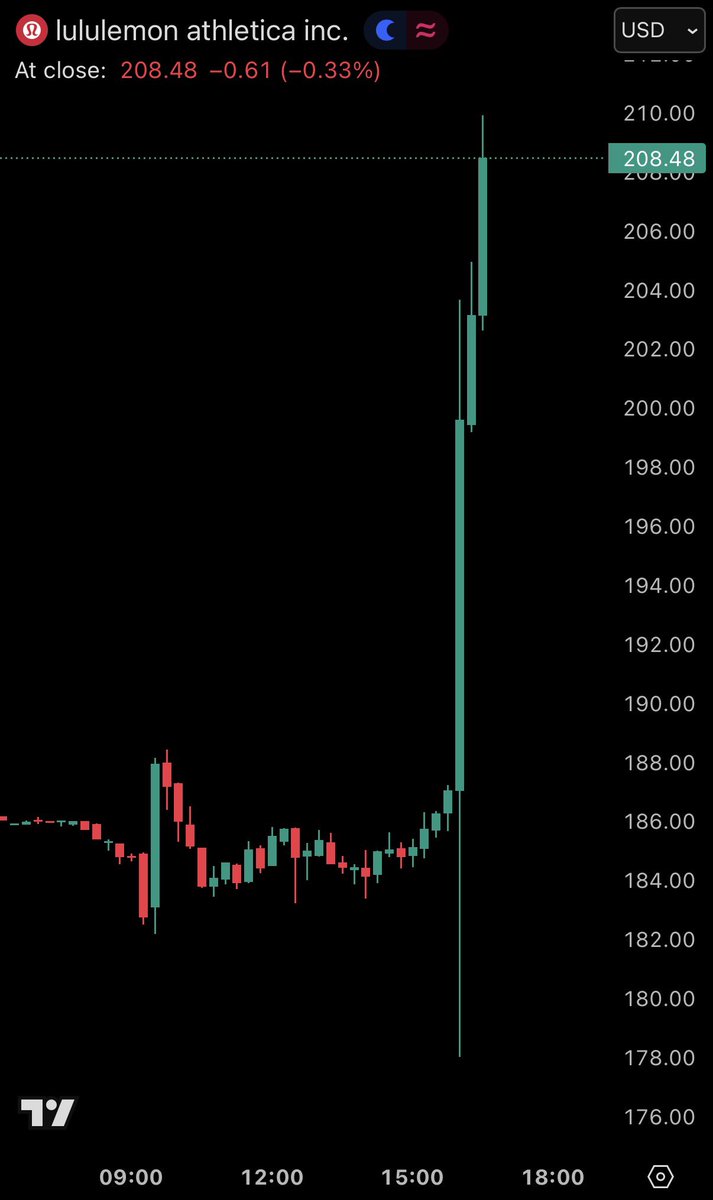
Investor Response and Market Sentiment Following the announcement, Lululemon shares experienced a notable swing in after-hours trading as investors assessed the implications of leadership change on future strategic direction. Market reactions often hinge on perceptions of how quickly a new CEO might implement changes, whether the new leader will lean into accelerated international growth, and how the company’s cost structure can be tightened without sacrificing product quality or brand equity. While the stock performance can be volatile in the near term, a leadership transition at an established growth company with strong brand equity often attracts attention from both traditional retail investors and growth-focused funds seeking clarity on long-term strategy.
Historical Context: From Yoga-Inspired Roots to Global Brand Lululemon’s evolution from a boutique yoga-wear label to a global lifestyle brand offers a compelling backdrop to this leadership moment. Founded with a focus on technical fabrics and performance in the 1990s, the company cultivated a devoted community through in-store events, fitness classes, and a distinctive store experience. McDonald’s tenure built upon that foundation, pushing the brand into menswear, expansion into Europe, Asia-Pacific markets, and a broader assortment that included jackets, footwear collaborations, and wellness accessories. Importantly, the company maintained a disciplined approach to inventory, product development cycles, and retail operations that contributed to its reputation for quality and consistency.
The historical trajectory also reflects broader shifts in consumer behavior—namely, a sustained interest in athleisure as a lifestyle choice rather than purely athletic wear. The brand’s ability to translate this trend into durable revenue streams has been complemented by its emphasis on experiential retail, community engagement, and premium tier positioning. The leadership change thus sits at the intersection of a long-term business model that relies on loyal customer engagement, a robust direct-to-consumer channel, and a carefully curated product portfolio.
Regional Comparisons: How Lululemon Stacks Up In North America, Lululemon faces a mature market with high brand loyalty but有限 competition from both established athletic brands and agile newcomers. The company’s strategy in this region has long relied on a combination of flagship stores, community-driven in-store experiences, and a strong online presence. Internationally, Lululemon has sought to accelerate growth through targeted store openings, localized marketing, and partnerships that align with regional consumer preferences. In Europe, for example, the brand has pursued steady expansion with careful store placement and digital support, while in Asia-Pacific markets, growth has been fueled by urban centers with high disposable income and a rising appetite for premium activewear. The leadership transition could influence the pace of international ramp-up, pricing strategies, and the balance between brick-and-mortar investments versus digital enhancements in these markets.
Economic Impact: Beyond the Banner The leadership change occurs within a broader economic context where consumer spending behavior, supply chain realities, and energy costs influence retail performance. As Lululemon navigates potential tariff implications and currency fluctuations, the company’s focus on operational efficiency and cost containment will be critical to preserving margins. The earnings release also highlighted the potential impact of proposed tariffs, an issue that could reverberate through regional supply chains and pricing decisions. For suppliers and retailers across the apparel sector, the news of leadership transition underscores the ongoing importance of strategic planning in a competitive marketplace where consumer demand can shift rapidly due to macroeconomic variables.
Brand Positioning and Product Strategy in a Changing Landscape Lululemon’s brand equity rests on a combination of performance-oriented fabrics, comfortable silhouettes, and an aspirational lifestyle narrative. McDonald’s era emphasized product diversification and the expansion of categories beyond athletic wear—an approach designed to reduce reliance on a single product line and broaden appeal across demographics. As the company plots its next chapter, questions loom about how much emphasis the next CEO will place on technological innovations in fabric science, sustainability initiatives, and inclusive sizing. Consumers are increasingly attentive to durability, repairability, and the environmental footprint of apparel, and successful leadership will likely hinge on addressing these expectations without compromising the brand’s signature quality and fit.
Public Reaction and Community Response Public sentiment around leadership changes in high-profile consumer brands often blends curiosity with concern and hope. Longstanding fans may view McDonald’s departure as an opportunity for refreshed energy and strategic clarity, while employees and retail partners may monitor the transition for signs of continuity in corporate culture and operations. Public-facing communications from the company are typically crafted to reassure stakeholders that the transition will be thoughtful, orderly, and aligned with a clear, long-term strategic plan. Observers will be watching for early signals about the new leadership’s priorities, whether focused on expanding international markets, accelerating premium product development, or enhancing the omnichannel shopping experience.
Operational and Strategic Implications for 2025 and Beyond Several strategic levers are likely to shape Lululemon’s trajectory in the near term. First, the new leadership could emphasize optimization of the supply chain to reduce lead times and cope with potential tariff-related disruptions. Second, the company may intensify investments in data-driven merchandising, enabling more precise inventory management and faster product iterations. Third, continued emphasis on brand storytelling, community-building initiatives, and high-profile collaborations could help sustain demand in a crowded market. Finally, sustaining growth in international markets will require calibrated localizations, partnerships, and possibly differentiated pricing strategies to reflect regional economics while preserving the premium brand perception.
Historical Performance Metrics: A Quick Look
- Revenue growth: Consistent but moderated gains in a mature North American market, with notable expansion in international regions.
- Gross margins: Maintained through a combination of premium pricing, product mix, and cost controls, though pressured by supply chain and logistics costs.
- Operating margins: Subject to variability due to investments in stores, technology, and marketing, but supported by a strong direct-to-consumer channel.
- Shareholder value: Historically valued for steady performance and brand resilience, with investors paying close attention to leadership strategy and capital allocation.
Looking Ahead: What the Market Will Be Watching Analysts will be focused on several near-term indicators as Lululemon enters a leadership transition phase. These include the pace and scope of the search for a new CEO, any early strategic hints from interim leaders about direction, and how management communicates the path to sustaining growth in a shifting global retail environment. Investors will also monitor how the company manages costs and investments in technology, product development, and international expansion. The broader context—rising competition in the premium activewear space and evolving consumer expectations—will continue to shape the narrative around Lululemon’s long-term competitiveness.
Conclusion: A Brand at a Crossroads, Guided by a Durable Foundation Calvin McDonald’s departure signals more than a routine leadership change; it marks a moment of recalibration for a brand that has become a staple of the global premium activewear landscape. The company’s earnings release demonstrates underlying strength, even as it acknowledges challenges that accompany growth. The interim leadership team—who will steward the company through the transition—will be tasked with preserving momentum while positioning Lululemon for a future defined by innovation, geographic expansion, and enhanced operational efficiency.
As stakeholders await the arrival of a permanent chief executive, the broader retail and fashion industry will likely draw lessons about how established, category-defining brands navigate succession, adapt to a fast-changing market, and balance premium positioning with broader accessibility. The next chapter for Lululemon will unfold in real time, shaped by product breakthroughs, consumer sentiment, and the strategic adjustments that follow a leadership transition of this magnitude.