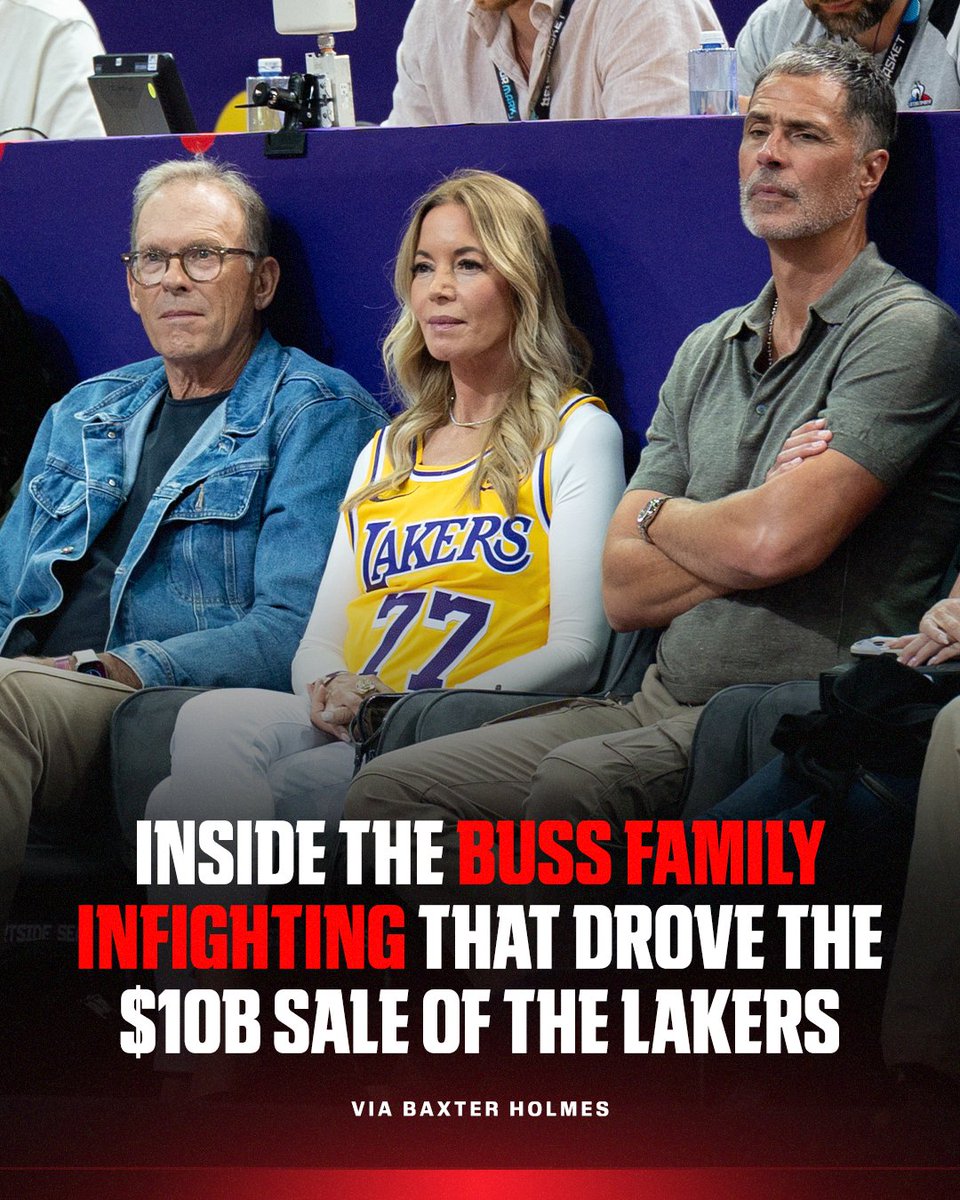
Lakers Sale Ends Era of Buss Family Ownership in a $10 Billion Turning Point
The Los Angeles Lakers, one of the most storied franchises in American sports, closed a transformative sale in late October 2025, exiting an era of Buss family ownership that stretched back four decades. The $10 billion valuation, the highest price ever paid for a North American team, marks not only a financial milestone but also a reshaping of how ownership groups influence marquee franchises in the modern sports economy. Mark Walter, the longtime financier and investor, stepped in as the principal owner, with Jeanie Buss remaining as the team’s governor and a key voice in steering the franchise through a new chapter.
Historical context: a dynasty built on steady stewardship and public trust The Lakers’ ascent from regional basketball pride to global brand began under Dr. Jerry Buss, whose 1979 purchase of the team ignited a period of unprecedented success. The Lakers won multiple championships across three decades, building a culture that blended star power, strategic talent acquisition, and a cultivated relationship with fans. After Buss’s death in 2013, control of the franchise briefly fractured within the family, revealing the fragility that can accompany privately held riches in the professional sports landscape. The ensuing years were characterized by strategic realignments, leadership shifts, and internal disagreements that exposed the risks of concentrated, family-based ownership when competing priorities—brand expansion, revenue diversification, and on-court performance—collide.
Driving the sale: a confluence of governance challenges, market dynamics, and strategic recalibration Publicly known pressures and confidential deliberations alike converged toward a single outcome: the decision to pursue a sale that would unlock value while stabilizing governance. The Buss siblings, acting as stewards of a legendary property, navigated infighting, succession questions, and divergent visions for the franchise’s future. In parallel, a rapidly evolving sports market stressed the need for sophisticated capital structures, global sponsorship networks, and data-driven decision making. The eventual sale to Mark Walter’s consortium reflected a broader trend in which deep-pocketed, professionally managed investment groups acquire culture-rich teams to scale operations beyond the court.
Economic impact: a benchmark transaction with ripple effects across sports and entertainment The Lakers’ sale stands as a landmark case in the economics of modern sports franchises. Valuations in the tens of billions for premier franchises have emerged as a new baseline, driven by live event revenue, media rights, sponsorship deals, and global fan ecosystems. A $10 billion price tag underscores several realities:
- Media and sponsorship leverage: Prime market exposure in a major media hub, combined with lucrative national and international sponsorship deals, creates revenue streams that extend far beyond ticket sales and local media rights.
- Asset diversification: Ownership groups increasingly seek synergies across entertainment ventures, real estate, and digital platforms, using the franchise as a hub for broader branding and monetization opportunities.
- Financing structures: The scale of modern deals often relies on complex capital stacks, with equity partners, debt facilities, and evergreen investment strategies designed to optimize tax efficiency and risk-adjusted returns.
Regional comparisons: how the Lakers’ valuation fits within a broader West Coast and national landscape The Lakers’ status as California’s premier basketball brand places the franchise within a dynamic regional economy characterized by robust entertainment and digital media sectors. By contrast, other major markets—New York, Chicago, and Boston—offer different competitive advantages, including dense fan bases, historic rivalries, and long-standing media partnerships. In the Western United States, teams contend with a diverse media geography, where broadcast markets, streaming availability, and regional sports networks shape revenue models in distinctive ways. The Lakers’ ability to monetize a global fan footprint, including international preseason tours and digital engagement, positions the club as a leading example of how Western market teams can capitalize on cross-border interest while navigating high operating costs.
Leadership continuity: Jeanie Buss as governor and the implications for governance Jeanie Buss’s continued leadership as the Lakers’ governor provides a throughline of continuity amid ownership transition. Her role has long combined strategic vision with an insistence on maintaining the franchise’s cultural identity. The new ownership structure, with Mark Walter’s consortium bringing professional governance experience, aims to balance the Lakers’ storied history with modern oversight practices. This alignment is expected to streamline decision-making, bolster risk management, and sustain investments in player development, analytics, facilities, and global marketing initiatives.
On-court implications: roster strategy, scouting, and the path to sustained competitiveness Ownership transitions ripple through every layer of a franchise, including the personnel strategies that shape on-court performance. The Lakers’ approach to talent acquisition, player development, and coaching stability will be scrutinized as part of a broader strategy to deliver championships while honoring the franchise’s legacy. Analysts expect continued emphasis on leveraging analytics, modern training methods, and international scouting to identify undervalued assets. The next era will likely focus on a balanced mix of homegrown talent, strategic trades, and prudent cap management to maintain competitiveness in a highly demanding league.
Public reaction: a mix of nostalgia, optimism, and cautious excitement Fans and local observers responded to the sale with a blend of reverence for the franchise’s history and curiosity about the future. The Lakers’ brand has long transcended basketball, permeating culture through music collaborations, fashion partnerships, and film and television tie-ins. Public commentary highlighted the importance of maintaining the Lakers’ unique identity while embracing the efficiencies and governance standards that come with institutional investment. Community stakeholders—season-ticket holders, youth programs, and regional partners—look to the new ownership structure to sustain engagement and invest in youth development pipelines that could broaden the franchise’s impact beyond the court.
Global brand and media strategy: expanding reach in a digital age The Lakers’ global fan base presents both opportunities and challenges in a media landscape that rewards scale and audience engagement. Strategic investments in streaming, exclusive content, and regional partnerships can deepen fan loyalty and create new revenue streams. International tours and localized marketing campaigns help translate the Lakers’ brand power into long-term sponsorship value and data-driven fan insights. As media landscapes continue to evolve, owners with the right combination of capital, flexibility, and strategic foresight can maximize the franchise’s reach while preserving core cultural tenets that drive loyalty.
Historical resonance and cultural significance: more than a basketball team Beyond wins and losses, the Lakers represent a chapter in American popular culture. The team’s uniforms, iconic players, and playoff battles have etched the franchise into the broader narrative of sports as a shared national experience. The sale represents a pivot point where tradition meets modern governance, signaling that even the most hallowed brands must continuously adapt to changing economic realities. This tension between heritage and modernization will likely shape how the Lakers are discussed in sports history for decades to come.
Operational readiness: governance, transparency, and risk management in a new ownership era A professional investment group overseeing a franchise of this magnitude brings an emphasis on governance, compliance, and risk monitoring that complements Jeanie Buss’s stewardship. The transition is likely to involve enhanced disclosure practices, formalized risk oversight, and clearer accountability mechanisms. Stakeholders will be watching for indicators such as operating margins, capital expenditure plans for facilities, and the cadence of strategic updates that inform ticketing, merchandising, and international expansion.
Conclusion: a watershed moment with long-tail implications The sale of the Los Angeles Lakers to Mark Walter and his consortium marks a watershed moment in professional sports, signaling how premier brands navigate ownership transitions amid record valuations and a more sophisticated, global investor ecosystem. The event ends a chapter defined by family dynamics and inner discord, replacing it with a governance framework designed to sustain a global entertainment powerhouse. While Jeanie Buss remains a central figure in steering the franchise, the new ownership model is expected to unlock capital, accelerate modernization, and extend the Lakers’ reach into new markets and technologies. As the franchise moves forward, observers will weigh the benefits of institutional stewardship against the sport’s enduring culture—an equilibrium that will determine the Lakers’ trajectory for years to come.