Florida Police Offer Reward in Disturbing Duck Abuse Case; Investigation Seeks Identification of Juvenile Suspect
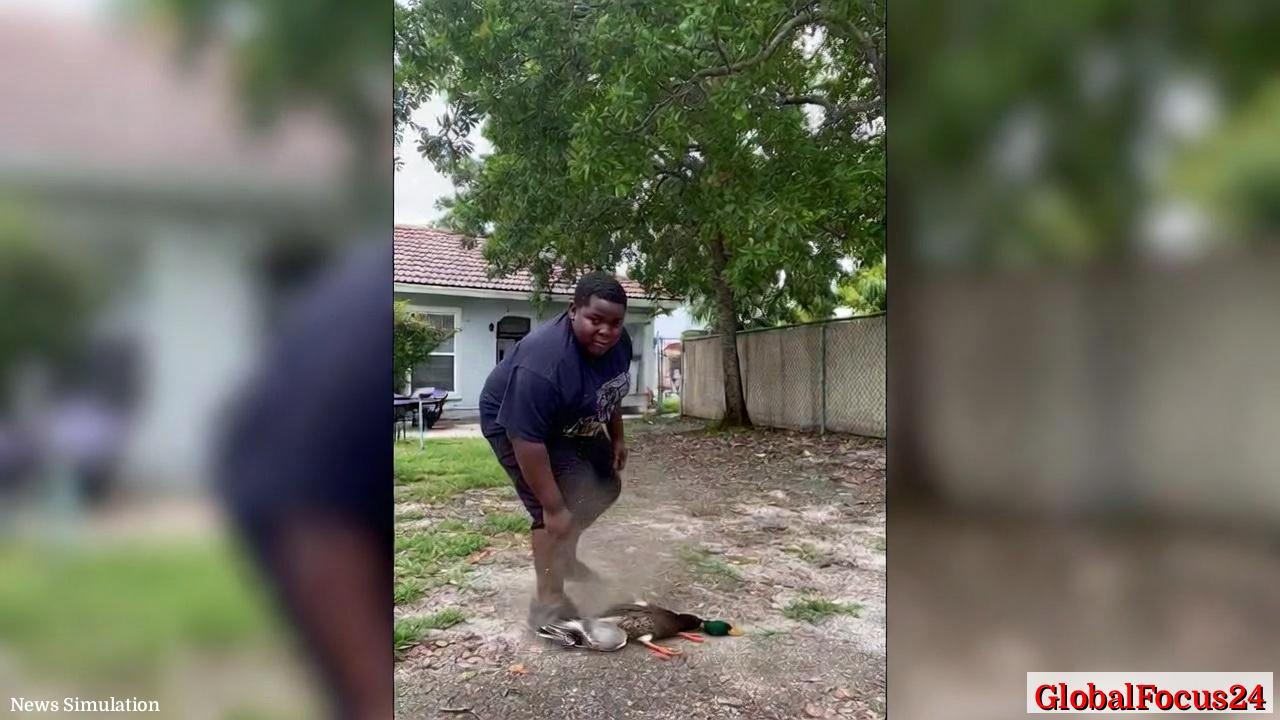
In a case that has drawn wide public attention and sparked discussions about animal welfare and youth behavior, Fort Lauderdale police have issued a $5,000 reward for information leading to the identification of a juvenile captured on surveillance video stomping a duck to death in a residential yard. The incident, recorded on a homeowner’s Ring camera, occurred on a Sunday in a neighborhood known for its proximity to waterways and abundant waterfowl, and has prompted authorities to urge the public to provide any additional footage or tips that could aid the investigation.
Chronology of Events and Immediate Aftermath
The sequence began with two children observed on the homeowner’s property, appearing to interact with a duck in a manner that prompted concern. Video footage shows one of the youths pursuing the bird into a paved alleyway, after which the individual steps on the animal multiple times, resulting in the duck’s death. The homeowner reported the act after reviewing the footage, and Fort Lauderdale police promptly opened an animal cruelty investigation and issued a public appeal for information to identify the juvenile involved.
Local reaction from residents has been one of shock and concern. Neighbors described the scene as deeply troubling, underscoring the broader questions about childhood exposure to aggression and the safeguarding of animal welfare. Public comments have also touched on missed opportunities for earlier intervention, as families and schools assess how to address such behavior before it escalates.
Law enforcement and community response
Detectives with the Fort Lauderdale Police Department have publicly released the graphic video to assist in the identification process, though officials later removed the material from certain platforms to balance transparency with sensitivity for viewers. Investigators emphasize that the case remains under active review and encourage anyone with information—whether they recognize the juvenile or recall witnessing the incident—to come forward. The police department is coordinating with child welfare authorities as appropriate to ensure a careful, age-appropriate handling of the matter, while also emphasizing accountability for actions that harm animals.
Context: animal welfare and juvenile accountability
Animal cruelty cases involving youths typically trigger a multi-pronged response that includes law enforcement investigation, child protective services review, and community-based education initiatives. Animal welfare organizations often advocate for early education about empathy toward animals, responsible pet ownership, and the consequences of violent acts toward wildlife. In parallel, juvenile justice and social services systems consider development-centered approaches aimed at understanding underlying factors such as peer influence, exposure to violence, mental health considerations, and family dynamics. Public conversations frequently focus on prevention—schools, community centers, and law enforcement partnering to identify at-risk youths and deliver supportive interventions before conduct escalates.
Historical context and regional landscape
Florida has a longstanding history of grappling with animal cruelty cases, as well as a broad public culture surrounding wildlife and environmental stewardship. The state’s diverse ecosystems, from estuarine marshes to urban waterways, create frequent interactions between residents and local wildlife, including ducks and other waterfowl that inhabit residential neighborhoods near canals, ponds, and lakes. Historically, animal welfare enforcement in Florida has included a range of penalties—from fines and probation to, in some cases, juvenile diversion programs designed to redirect behavior toward constructive outcomes. This incident sits within a broader national conversation about how communities monitor and respond to violent acts involving minors, particularly when those acts involve animals, which many experts say can be early indicators of more serious conduct if left unaddressed.
Economic and public safety implications
While the direct economic impact of a single animal cruelty case may be limited, there are broader implications for community safety, property values, and local trust in public institutions. Communities invest in public safety resources, neighborhood watch programs, and resident-led reporting mechanisms to deter harmful activities and promote rapid responses. Law enforcement agencies emphasize the importance of timely information from the public, which can shorten investigation timelines and facilitate appropriate protective measures for both residents and animals. In parallel, local animal welfare organizations often mobilize resources for education campaigns, animal care, and adoption services that reflect the community’s commitment to humane treatment of wildlife and pets.
Regional comparisons: how similar cases have played out
Across Florida and the broader Southeast, animal cruelty incidents involving youths have elicited a spectrum of responses. In some cases, authorities pursue swift juvenile intervention paired with counseling and restitution options, while in others, cases escalate to more formal legal actions depending on the severity, intent, and any accompanying risk factors. Community reactions frequently mirror local norms around animal welfare, youth services, and the availability of supportive programs for families. Comparisons with neighboring states demonstrate varying approaches to juvenile accountability and violence prevention, but a common thread remains: families, schools, and law enforcement working together to prevent harm and to promote rehabilitation where appropriate.
What this means for families and communities
For families, the incident serves as a reminder of the importance of supervising youths in public and semi-public spaces, especially in areas adjacent to wildlife habitats. Schools and community organizations may respond by reinforcing curricula that emphasize empathy, impulse control, and the consequences of violent behavior. Parents and caregivers are encouraged to engage in open dialogues with children about the appropriate treatment of animals, the legal ramifications of cruelty, and the resources available if a child is struggling with anger or aggression. Community groups may consider hosting workshops on conflict resolution, stress management, and non-violent forms of expression for young people.
Lawful framework and potential outcomes
In cases involving juvenile suspects, Florida law provides a framework for addressing crimes against animals that balances accountability with developmental considerations. If authorities identify the juvenile, proceedings typically involve protective services, counseling, and, when warranted, restitution for the harm caused to the animal. Depending on the severity and the presence of any repeat offenses or aggravating circumstances, case outcomes can range from diversion programs to formal court involvement. The specific disposition of this case will depend on the information obtained from public tips, the juvenile’s age, the intent demonstrated, and any mitigating or aggravating factors recognized by the prosecuting authorities and the court system.
The role of media and public information
Officials have navigated the dissemination of the incident with careful attention to the sensitivities of viewers while preserving the integrity of the investigation. Public appeals for information are a common practice in situations where identifying suspects—adult or juvenile—can advance resolution and safety. As the investigation progresses, authorities may provide updates that reflect the evolving understanding of the event without compromising ongoing inquiries or the privacy rights of those involved, particularly minors. The case has also prompted discussions in local communities about how to balance transparency with the potential for sensationalized coverage to influence public perception.
A forward-looking perspective
Looking ahead, the Fort Lauderdale incident may contribute to longer-term conversations about preventive strategies and community resilience. Local government and non-profit organizations could deepen collaborations that track behavioral warning signs, expand access to youth counseling services, and integrate humane education into youth programs. Evaluations of neighborhood safety initiatives may consider whether environmental design, such as improved lighting and property patrols in zones near waterfowl habitats, might deter trespass or time-limited encroachments that could lead to harmful encounters with wildlife. The incident also underscores the importance of timely public cooperation in investigations, as citizen tips often play a crucial role in pinpointing individuals involved in acts of cruelty and informing a constructive response.
Public sentiment and cultural considerations
Responses from residents reflect a mix of shock, concern, and a desire for accountability balanced with a compassionate pathway for youth reform. Many community members advocate for a measured approach that emphasizes education and rehabilitation, recognizing that addressing root causes can help prevent future harm. Local animal welfare advocates remind the public that protecting wildlife is a shared community value, and that proactive outreach—especially to families with younger children—can build a culture of kindness toward all living beings.
Conclusion
The Fort Lauderdale case highlights the complex intersection of animal welfare, juvenile behavior, and community safety. By offering a reward for information and pursuing a careful, developmentally appropriate investigation, authorities aim to identify the individuals involved and ensure that appropriate steps are taken to address the behavior. As the community processes this event, the overarching objective remains clear: protect wildlife, support families, and reinforce the norms that discourage cruelty while promoting education, accountability, and resilience. The incident serves as a stark reminder of the ongoing need for vigilance, compassionate intervention, and collaborative efforts to foster safer, more humane neighborhoods.