Jury Finds Live Nation and Ticketmaster Guilty of Operating an Anticompetitive Monopoly
Verdict marks major antitrust setback for nation’s largest live entertainment operator
Jury Rules Against Live Nation and Ticketmaster After Four Days of Deliberation
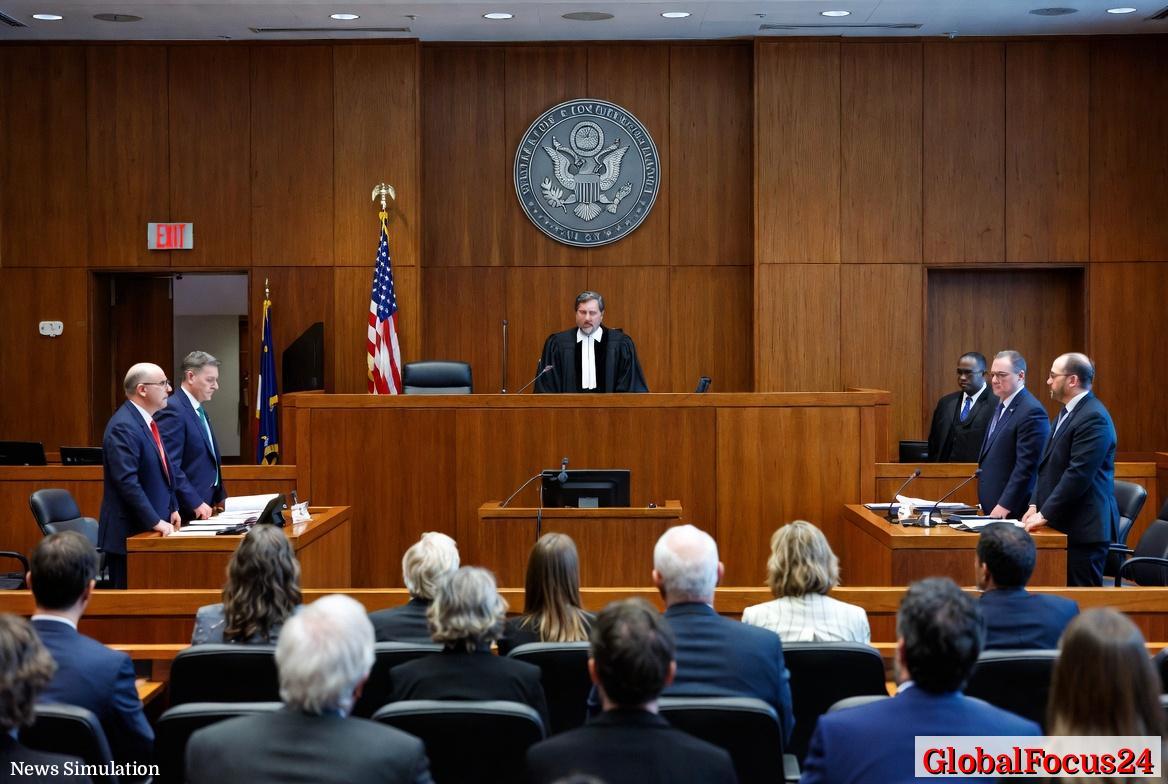
A Manhattan federal jury has found that Live Nation Entertainment and its Ticketmaster subsidiary violated U.S. antitrust laws by operating an anticompetitive monopoly over major concert venues and ticket sales. The verdict, handed down on Wednesday after four days of deliberation, represents one of the most consequential U.S. antitrust rulings in decades against a company that dominates the live music industry.
The decision comes after years of frustration from fans, artists, and state regulators, who have accused the entertainment conglomerate of using its market power to stifle competition and inflate prices for live event tickets. The case, brought by dozens of U.S. states, alleged that Live Nation and Ticketmaster unfairly controlled the live event economy—from venue booking and promotion to ticket distribution—leaving consumers and rival ticket sellers with few alternatives.
At the conclusion of the trial, the judge directed attorneys for both sides, along with the U.S. Department of Justice, to propose a schedule for motions and the remedies phase by late next week. Legal observers expect that phase to determine whether the company will face a breakup of its operations or be required to divest certain high-profile venues and assets.
Details of the Verdict and Potential Financial Impact
The jury’s decision included findings that Live Nation and Ticketmaster overcharged consumers by an average of $1.72 per ticket across 22 states. This figure, extrapolated across the millions of annual ticket sales, could translate into hundreds of millions of dollars in damages. The companies may also face additional civil penalties and structural remedies aimed at restoring competitiveness to the market.
Financial analysts are closely watching the potential ripple effects on the broader entertainment sector. If the court orders significant divestitures—particularly of amphitheaters and popular event spaces—the shake-up could open opportunities for new promoters and independent ticketing platforms. Shares of Live Nation fell sharply in after-hours trading following the verdict, as investors began to price in the likelihood of long-term regulatory oversight and restructuring costs.
A Long History of Dominance in the Concert Industry
Live Nation’s influence on the global live events industry has been formidable. The company owns or controls booking arrangements for hundreds of venues, manages numerous artists, and operates some of the largest festivals in the United States. Its merger with Ticketmaster in 2010 consolidated two of the most powerful forces in live entertainment.
Since that merger, Live Nation has come to control approximately 86 percent of the concert ticketing market and 73 percent of the overall live-events industry, which includes sports and theater. The company has long argued that its size simply reflects its ability to deliver efficient services and powerful promotional partnerships. Critics, however, say that this dominance has come at a cost to competition and transparency.
The 2010 merger received regulatory approval only after Live Nation agreed to a consent decree designed to prevent the company from retaliating against venues that chose other ticketing providers. Yet, multiple investigations since then have found that the company frequently skirted or ignored the restrictions. In recent years, those concerns mounted as fans faced record ticket prices and limited access to shows, fueled in part by fees that often doubled or tripled the face value of tickets.
Growing Legal and Public Backlash
Public outrage over ticket prices has been a recurring theme in American entertainment culture. One of the earliest high-profile challenges came in the 1990s, when the rock band Pearl Jam filed a complaint with the U.S. Department of Justice accusing Ticketmaster of monopolistic practices. The Justice Department declined to pursue a case, and the band’s tour ultimately suffered from its refusal to work with Ticketmaster-controlled venues.
That unresolved episode lingered in public memory, resurfacing decades later amid a new wave of antitrust scrutiny. The latest lawsuit, spearheaded by state attorneys general and the Justice Department, contended that Live Nation’s control enabled it to punish venues that worked with rival ticketing companies and to pressure artists into exclusive deals.
Testimony during the trial drew renewed attention to the 2022 Taylor Swift ticket-sale meltdown, when millions of fans were locked out of Ticketmaster’s online queue. CEO Michael Rapino defended the company at the time, blaming the incident on a cyberattack. However, prosecutors introduced internal company messages showing executives joking about inflated prices and mocking customers. Those messages struck a chord with the public and underscored the image of a company indifferent to growing consumer frustration.
Comparing Global and Regional Precedents
The Live Nation case mirrors growing antitrust actions worldwide aimed at digital platforms and dominant intermediaries. In Europe, regulators have taken increasingly aggressive stances on competition issues involving giants in music streaming, social media, and entertainment ticketing. The European Commission has also investigated large-scale ticketing platforms for similar anti-competitive conduct, pushing for transparency in pricing and resales.
In Canada, Live Nation has faced scrutiny from the Competition Bureau for its practices in major markets like Toronto and Vancouver. Meanwhile, Australia recently introduced rules requiring clearer disclosure of service fees and secondary market pricing, spurred in part by consumer complaints resembling those heard in the U.S. trial.
By comparison, the American music industry has historically been more tolerant of market consolidation. That leniency is now being reassessed as policymakers confront the economic fallout of high fees and limited competition. With this verdict, the United States joins a growing international movement to rein in concentrated power in live entertainment.
Economic and Industry Implications
The verdict’s economic implications could be wide-ranging. For independent promoters, smaller ticketing firms, and mid-size venues, the outcome may herald a more open marketplace—potentially unlocking new business models that emphasize direct artist-to-fan sales and flexible pricing. Economic experts suggest that even modest improvements in competitive conditions could lead to measurable reductions in ticket costs and service fees.
For consumers, the most visible impact could come in the form of increased choice. The court’s remedies could incentivize venues to partner with multiple ticketing platforms, creating a more diversified ecosystem that rewards transparency. However, industry veterans caution that dismantling an integrated operator like Live Nation will be complex and time-consuming.
From a macroeconomic perspective, live entertainment remains a cornerstone of the U.S. experience economy, generating tens of billions of dollars in annual spending on tickets, travel, dining, and hospitality. Changes to its corporate structure could reverberate across local economies—from New York’s theater district to Southern California’s amphitheaters—where venue profits help sustain tourism and employment.
Historical Echoes in Antitrust Enforcement
The Live Nation case joins a small but significant group of major antitrust actions in U.S. history, following precedents like the AT&T breakup in 1984 and the Microsoft antitrust case of the late 1990s. Both cases reshaped their respective industries by curbing monopoly power and spurring new innovation.
Legal scholars note that Live Nation’s defeat could mark a turning point in how modern regulators address digital and hybrid monopolies—companies that control both physical infrastructure (like concert halls) and online platforms (like ticketing systems). Future cases against streaming platforms or sports leagues could draw on the principles outlined in this verdict.
The Road Ahead: Remedies and Structural Changes
The next stage of the case will determine remedies—arguably the most consequential phase for both the industry and consumers. Potential outcomes include forcing Live Nation to divest from certain venues or ticketing operations, imposing limits on exclusive promotion contracts, or even unwinding the 2010 merger.
Sources close to the proceedings indicate that state attorneys general are likely to demand structural separation between Ticketmaster and Live Nation’s concert-promotion business. If granted, such an order could dramatically alter the power dynamics of the live events industry, creating space for competitors like SeatGeek, AXS, and smaller regional ticketing platforms.
In a brief statement, company spokespeople declined to comment directly on the verdict, saying only that a fuller response would be issued soon. Analysts anticipate that Live Nation will appeal, arguing that the jury misinterpreted complex market data and that the company’s vertical integration benefits artists and fans alike. Nonetheless, regulatory experts caution that overturning the decision would be difficult given the breadth of the evidence presented.
Public Reaction and Industry Outlook
Public response to the verdict was swift and emphatic. On social media, fans and advocacy groups celebrated the decision as a long-overdue reckoning for what many view as an exploitative system. Artist representatives likewise welcomed the potential for more transparent pricing and venue flexibility. Shareholders, however, are bracing for short-term volatility as the company faces mounting legal costs and possible divestitures.
Industry insiders say the outcome could set a global precedent that reshapes how concerts are booked and how tickets are sold. In the coming months, the remedies process will reveal whether the verdict leads to genuine reform—or merely incremental compliance measures that delay deeper structural change.
As the legal dust settles, one fact stands clear: the era of unchecked dominance in the live entertainment industry may be nearing its end. The jury’s message resonates far beyond the courtroom—it signals a renewed commitment to fair competition and consumer protection in one of America’s most beloved cultural industries.