The World’s Christmas Capital Shines Bright: How a Festive Economy Fueled a $1 Trillion Trade Surplus
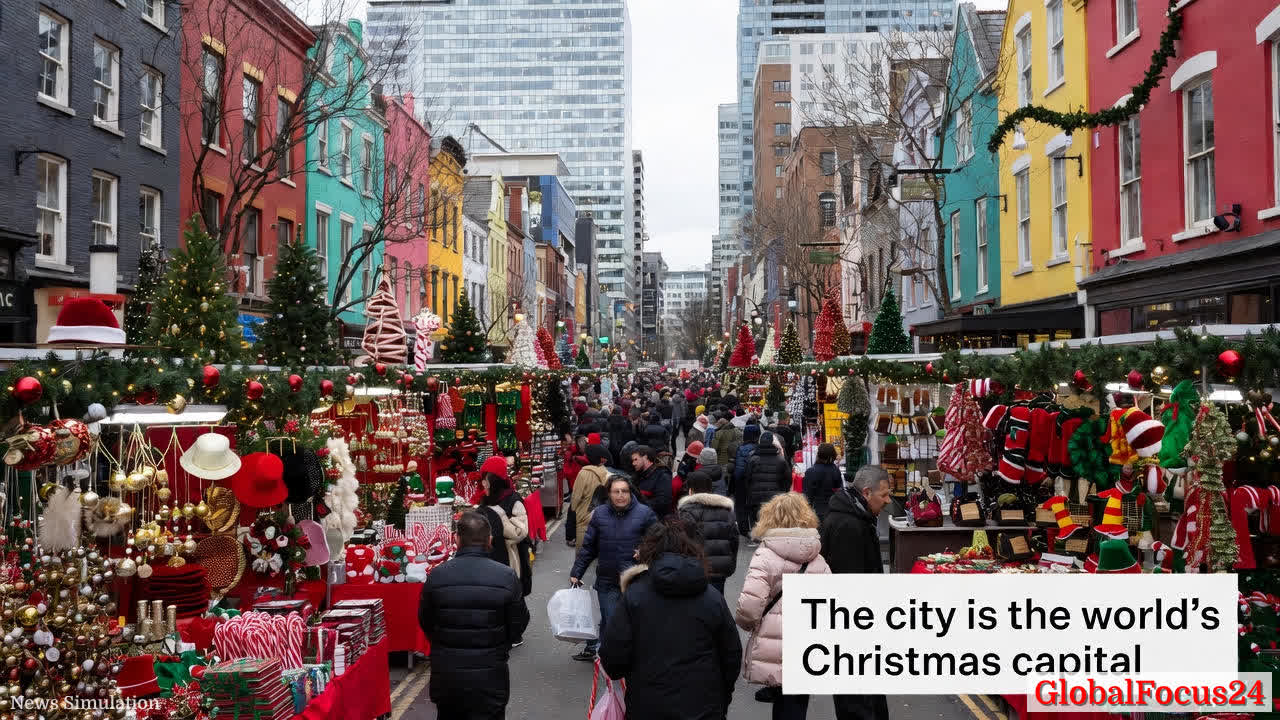
In a city draped in twinkling lights and seasonal music, the spirit of Christmas is more than a tradition — it’s an industry. This bustling metropolis, often dubbed the world’s “Christmas capital,” has seen its holiday markets transform from quaint local gatherings into a global economic powerhouse. The sale of festive goods such as Christmas trees, ornaments, hats, wreaths, and candy canes has driven the region to an unprecedented $1 trillion trade surplus in recent months, according to local trade figures.
A Century-Old Tradition Turned Economic Engine
The roots of this city’s Christmas trade trace back more than a century, when small workshops sold handcrafted decorations to local families. Early artisans fashioned glass baubles, wooden toys, and fabric stockings in the narrow alleyways of the old quarter. Over decades, these crafts evolved into a massive seasonal economy that now supports tens of thousands of small businesses and manufacturing operations.
What started as a modest winter fair has grown into a year-round enterprise. Factories begin churning out products as early as spring, preparing shipments for international buyers spanning from North America to Europe and Asia. The city’s reputation for quality craftsmanship, combined with its cultural authority in celebrating the season, has positioned it as the world’s leading exporter of Christmas goods.
Trade Surplus Driven by Global Demand
The recent $1 trillion trade surplus is emblematic of how vibrant the seasonal economy has become. While the number is staggering, analysts say it reflects a combination of factors: resilient supply chains, advanced logistics infrastructure, and sustained international demand despite global economic uncertainties.
Exports of decorative goods have surged, particularly to markets in the United States, Germany, the United Kingdom, and Japan. Last year, the city shipped more than 80 percent of its ornament production overseas. Many of these products are created in mid-sized workshops that employ artisans specializing in glass-blowing, embroidery, and woodworking — all traditions honed through generations.
Logistics have also played a crucial role. The city’s well-developed port and air freight systems ensure timely global shipments, allowing local producers to meet tight holiday deadlines. The combination of tradition and modernity — where centuries-old craftsmanship meets cutting-edge distribution — lies at the heart of this economic triumph.
Seasonal Goods as a Cultural Export
Beyond economics, the region’s Christmas trade represents a unique form of cultural diplomacy. The ornaments, tinsel, and figurines produced here are more than products — they embody a shared visual language of joy, togetherness, and celebration. When these items adorn homes thousands of miles away, they carry with them the artistry, symbols, and spirit of the city itself.
This cultural resonance has bolstered the demand for authentic, handcrafted pieces. In recent years, international consumers have begun seeking out premium goods with a “made in the Christmas capital” label, associating it with both heritage and quality. As a result, boutique workshops are thriving alongside large-scale manufacturers, ensuring the city’s Christmas economy remains diverse and resilient.
Regional Comparisons Highlight Economic Strength
While other regions and cities host vibrant Christmas markets — such as Nuremberg in Germany, Strasbourg in France, and Quebec City in Canada — none match the scale or year-round production of this city’s economy. European markets tend to operate seasonally, focusing on food, crafts, and local tourism. By contrast, the world’s Christmas capital integrates large-scale manufacturing, export logistics, and retail tourism into a unified system.
For instance, Germany’s Christmas markets contribute significantly to its hospitality sector, drawing millions of visitors annually. However, the overall trade value of German-made Christmas goods remains a fraction of this city’s output. Similarly, the United States relies heavily on imports from this region, underlining its global dominance in the holiday supply chain.
The Local Workforce Behind the Glitter
Behind the sparkling storefronts and bustling stalls is a workforce that keeps the holiday season alive year after year. The industry directly employs more than five million people across sectors including design, manufacturing, agriculture, logistics, and retail. Seasonal jobs swell the city’s employment figures during the final quarter of each year, providing stable income to families who have depended on the trade for generations.
Craftsmen in the older districts continue to produce intricate ornaments by hand, while younger designers bring contemporary aesthetics to traditional motifs. Agricultural cooperatives supply the nation’s abundant Christmas tree market, ensuring sustainable planting practices that replenish stock every year. Retailers, meanwhile, capitalize on both local and international tourism, transforming every street corner into a hub of lights, music, and commerce.
Shifts in Global Consumer Trends
The festive goods industry has also evolved alongside shifting global consumer preferences. Eco-friendly packaging, reusable decorations, and ethically sourced materials are increasingly influencing purchasing decisions. The city’s manufacturers have responded by adopting green production methods, such as biodegradable glitter, recycled materials, and energy-efficient factory operations.
These sustainability measures not only align with environmental goals but also open new export opportunities. Brands that commit to eco-friendly practices are commanding higher prices in Western markets, reinforcing the city’s image as a forward-thinking global supplier. According to trade officials, exports of sustainable holiday products grew by 23 percent last year, marking one of the fastest-growing subsectors in the seasonal economy.
Tourism: The City’s Second Seasonal Boom
Tourism adds another powerful dimension to the city’s prosperity. Each December, millions of visitors flood the downtown markets, hotels, and entertainment venues. Festive parades, themed exhibitions, and nightly light shows transform the city into a winter wonderland that lures travelers from around the world.
The tourism surge stimulates spending across hospitality and retail. Restaurants report record sales, while local transportation systems expand services to accommodate visitors. The city’s hotels regularly reach full occupancy, prompting ongoing investment in new developments and upgraded infrastructure.
For many tourists, the experience is as much about cultural immersion as shopping. They attend workshops on ornament-making, sip warm spices in open-air cafés, and watch performances inspired by historic folklore — activities that combine tradition with modern spectacle.
Economic Stability and Future Prospects
The $1 trillion trade surplus has provided the city’s economy with a cushion against broader global slowdowns. Unlike many regions that depend on a narrow export base, the Christmas capital benefits from a diversified economy — one that merges industry and artistry. Economists point out that its success demonstrates the enduring power of niche specialization in global trade.
However, challenges remain. Supply chain costs, fluctuating demand cycles, and geopolitical tensions can disrupt trade routes. Labor shortages in certain manufacturing sectors have also prompted the government to invest heavily in technical training and apprenticeship programs aimed at preserving traditional skills.
Looking ahead, digital commerce is set to play an even greater role. Online platforms now account for nearly one-third of the region’s international sales, connecting small producers directly with global consumers. The fusion of e-commerce with craftsmanship marks a new chapter in the city’s evolution — one where tradition adapts seamlessly to technology.
A City Defined by Celebration
As the holiday lights flicker against the night sky, the world’s Christmas capital stands not only as a seasonal spectacle but as a symbol of enduring economic resilience. From the artisans crafting glittering ornaments to the traders shipping them across oceans, every part of this city beats in rhythm with the season it celebrates.
The $1 trillion trade surplus is more than a figure on a ledger. It represents a thriving ecosystem of creativity, labor, tradition, and innovation that comes alive each winter — and keeps the spirit of Christmas burning bright all year long.