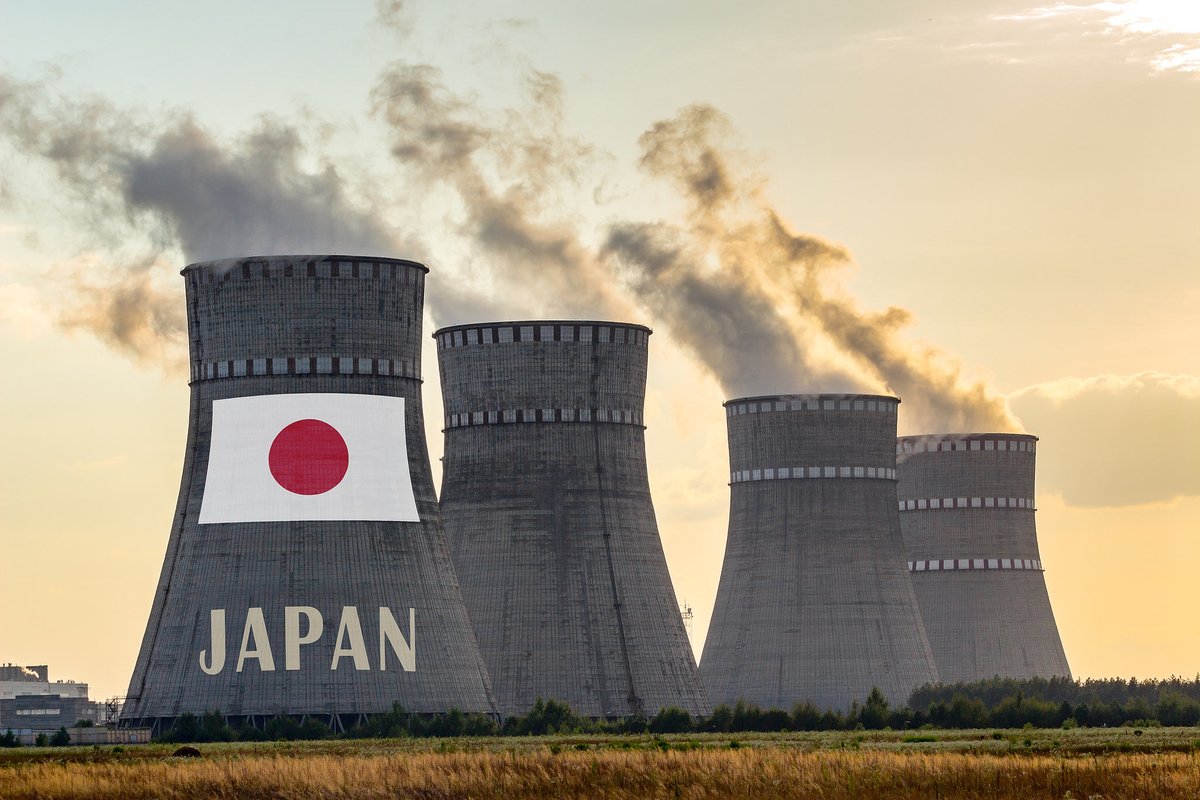
Japan Approves Restart of World's Largest Nuclear Power Plant After 15 Years
Tokyo, December 23, 2025 – Japan has taken a significant step toward reviving its nuclear energy sector by approving the restart of the Kashiwazaki-Kariwa nuclear power plant, the world's largest, which has remained offline since the 2011 Fukushima disaster.
The Niigata prefectural assembly voted in favor of the restart, marking a pivotal moment in the country's efforts to reduce dependence on imported fossil fuels and achieve carbon emission targets. The plant, operated by Tokyo Electric Power Company (TEPCO), features seven reactors with a combined capacity of approximately 8 gigawatts.
TEPCO plans to prioritize the reactivation of Unit 6, with operations potentially resuming as early as January 20, 2026. Fuel loading for this unit was completed in June, and the company must meet a September 2029 deadline for full compliance with updated safety regulations.
Background of Kashiwazaki-Kariwa Nuclear Complex
The Kashiwazaki-Kariwa facility stands as the largest nuclear generating station by capacity in the world. Located on Japan's northwestern coast along the Sea of Japan, the complex spans parts of Kashiwazaki city and Kariwa village in Niigata Prefecture. Construction began in the 1980s, with the first reactor becoming operational in 1985 and the seventh unit coming online in 1997.
Before the Fukushima disaster, the plant served as a critical power source for the Tokyo metropolitan area and surrounding regions. Its strategic importance extended beyond mere electricity generation, representing a cornerstone of Japan's energy independence strategy developed during the oil crises of the 1970s. The facility's coastal location, while providing access to seawater for cooling systems, also positioned it in a seismically active zone that would later contribute to its extended closure.
The plant faced its first major challenge in 2007 when a magnitude 6.6 earthquake struck the region. That seismic event caused a fire at one transformer and led to minor radioactive water leaks, forcing a temporary shutdown that lasted nearly two years. The incident prompted significant upgrades to earthquake resistance systems and emergency protocols, modifications that would later factor into safety assessments following the 2011 catastrophe.
Journey Through the Fukushima Aftermath
The March 2011 earthquake and tsunami that triggered the Fukushima Daiichi meltdown fundamentally altered Japan's nuclear landscape. The disaster, which resulted from a magnitude 9.0 earthquake followed by tsunami waves exceeding 40 meters in some locations, caused three reactor meltdowns at the Fukushima plant and released radioactive materials into the surrounding environment. The crisis forced the evacuation of over 150,000 residents and led to the immediate suspension of nuclear operations nationwide.
Kashiwazaki-Kariwa, despite being located approximately 200 kilometers from Fukushima on the opposite coast, fell under the blanket suspension that affected all Japanese nuclear facilities. The government implemented a comprehensive review process requiring each plant to meet newly established safety standards before restart approval could be considered. These regulations, developed by the Nuclear Regulation Authority formed in 2012, demanded extensive modifications to withstand natural disasters, improve containment systems, and enhance emergency response capabilities.
For TEPCO, the path to restart proved particularly challenging. As the operator of the failed Fukushima facility, the company faced intense scrutiny from regulators, local governments, and the public. Trust had been severely damaged, requiring years of transparency efforts, safety improvements, and community engagement. The company invested billions of dollars in upgrades to the Kashiwazaki-Kariwa plant, including reinforced seawalls capable of withstanding tsunami waves up to 15 meters high, filtered venting systems to prevent radioactive releases during emergencies, and enhanced cooling systems with multiple backup power sources.
Economic Implications for Japan's Energy Sector
The restart of Kashiwazaki-Kariwa carries substantial economic consequences for Japan's energy landscape. Before 2011, nuclear power provided approximately 30 percent of the nation's electricity, offering relatively stable and affordable baseload power. The sudden loss of this capacity forced Japan to dramatically increase imports of liquefied natural gas, coal, and oil to fill the gap.
Energy import costs surged following the nuclear shutdown, adding an estimated 3.6 trillion yen annually to Japan's trade balance during peak import years. Electricity prices for both industrial and residential consumers increased by 20 to 30 percent in many regions, affecting manufacturing competitiveness and household budgets. Industries particularly dependent on stable, low-cost electricity, such as steel production, chemical manufacturing, and electronics assembly, faced pressure to relocate operations or reduce domestic capacity.
The reactivation of Unit 6 alone, with its approximately 1.36 gigawatt capacity, could reduce fossil fuel imports by an estimated 1.2 million tons of liquefied natural gas annually. This translates to potential savings exceeding 100 billion yen per year at current energy prices, while also reducing carbon dioxide emissions by approximately 2.5 million tons annually. For TEPCO, which supplies electricity to roughly one-third of Japan's population including the Tokyo metropolitan area, the restart represents an opportunity to lower generation costs and stabilize electricity rates that have fluctuated with global fuel prices.
Regional economic benefits extend beyond direct energy generation. The Niigata region has experienced economic decline during the plant's closure, with reduced employment at the facility and decreased economic activity in surrounding communities that previously supported plant operations and workers. The restart is expected to create approximately 2,000 direct jobs at the facility and support additional employment in maintenance, security, and support services.
Regional Context and Comparative Nuclear Policies
Japan's cautious approach to nuclear restart contrasts with responses to nuclear incidents in other countries. Following the 1979 Three Mile Island accident in the United States, nuclear plant construction slowed dramatically, but existing facilities continued operation under enhanced safety protocols. The 1986 Chernobyl disaster led to varied responses across Europe, with some nations like Germany eventually committing to phase out nuclear power, while France maintained its dominant nuclear sector that currently provides approximately 70 percent of its electricity.
Germany accelerated its nuclear phaseout following Fukushima, shutting down eight reactors immediately and committing to close all remaining plants by 2022, a deadline later extended to 2023. This decision resulted in increased reliance on natural gas imports and coal-fired generation, raising questions about energy security and climate commitments. Belgium similarly planned nuclear phaseout but has reconsidered timelines due to energy security concerns, particularly following disruptions to European natural gas supplies.
South Korea, which operates 24 nuclear reactors providing about 30 percent of its electricity, initially pursued nuclear reduction following a 2017 policy shift but has since reversed course. The country now plans to extend reactor lifespans and construct additional units, citing energy security and climate goals. China continues aggressive nuclear expansion with over 50 reactors in operation and dozens under construction, viewing nuclear power as essential to reducing coal dependence while meeting growing electricity demand.
Within Japan, the restart process has proceeded unevenly across different prefectures. Communities in Kyushu, located in southwestern Japan and furthest from Fukushima, were first to approve restarts, with several reactors resuming operations between 2015 and 2018. Central and eastern regions, closer to the Fukushima site, have shown greater hesitancy. Niigata's approval of Kashiwazaki-Kariwa represents a significant breakthrough given its proximity to major population centers and the plant's association with TEPCO.
Safety Measures and Regulatory Oversight
The Nuclear Regulation Authority implemented comprehensive safety standards following Fukushima, requiring multiple layers of protection against potential disasters. These regulations mandate that all reactors withstand earthquakes of magnitude 7.0 or greater, depending on local seismic risk assessments. Tsunami protection must account for the highest possible waves based on historical records and geological studies, with additional safety margins built into seawall heights and critical infrastructure elevation.
Kashiwazaki-Kariwa received regulatory approval for restart in 2017 after demonstrating compliance with technical safety standards. However, subsequent security breaches at the facility, including incidents where unauthorized individuals accessed restricted areas and detection systems malfunctioned, led to additional regulatory orders preventing fuel loading until corrective measures were implemented. TEPCO completed required security enhancements in 2023, paving the way for the current restart approval.
The plant now features redundant cooling systems capable of maintaining reactor safety even during complete power loss for extended periods. Passive safety systems that function without electricity or human intervention provide additional protection layers. Containment structures have been reinforced to withstand aircraft impacts and other external hazards. Emergency response equipment, including mobile power generators and pumps, is strategically positioned both on-site and at off-site locations to ensure availability during disasters that might damage primary facilities.
Public Opinion and Local Community Perspectives
Public sentiment toward nuclear power in Japan has evolved considerably since 2011. Immediate post-Fukushima surveys showed overwhelming opposition to nuclear restart, with some polls indicating over 70 percent of respondents favoring permanent closure of all reactors. Over time, these numbers have moderated as energy cost increases affected households and businesses while memories of the disaster gradually receded.
Recent polling suggests Japanese public opinion remains divided but less uniformly opposed than in the disaster's immediate aftermath. Approximately 40 to 50 percent of respondents in national surveys express support for limited nuclear restart under strict safety conditions, while similar percentages favor continued reliance on alternatives. Regional variations are significant, with communities near nuclear facilities often showing more polarized views reflecting both economic interests in plant operations and safety concerns.
Niigata Prefecture has historically demonstrated strong anti-nuclear sentiment, partly due to the 2007 earthquake experience at Kashiwazaki-Kariwa. Local opposition groups mounted sustained campaigns against restart, organizing protests, submitting petitions, and pursuing legal challenges. The prefectural assembly's approval came after years of debate, multiple safety briefings, and significant political maneuvering. Governor Hideyo Hanazumi, elected in 2022, adopted a position acknowledging both safety concerns and economic realities, ultimately supporting restart with conditions for continued monitoring and local input on operations.
Climate Goals and Energy Transition Strategy
Japan committed to achieving carbon neutrality by 2050 and reducing greenhouse gas emissions by 46 percent below 2013 levels by 2030. These ambitious targets require fundamental transformation of an energy sector that currently generates 60 to 70 percent of electricity from fossil fuels. The government's energy plan envisions nuclear power providing 20 to 22 percent of electricity generation by 2030, a target that necessitates restarting most operable reactors.
Renewable energy expansion proceeds simultaneously with nuclear restart considerations. Solar capacity has grown substantially, with installations now exceeding 70 gigawatts nationwide. Offshore wind development is accelerating, supported by government incentives and streamlined permitting processes. However, Japan's limited land area, mountainous terrain, and relatively weak wind resources compared to European locations constrain renewable potential. Energy storage technology remains expensive and insufficient to fully address intermittency challenges associated with high renewable penetration.
Nuclear power advocates argue that reactors provide reliable baseload generation essential for grid stability while producing minimal carbon emissions during operation. Critics counter that the long timelines required for restart, combined with aging reactor fleets and limited new construction prospects, make nuclear an inadequate climate solution. They advocate for prioritizing renewable expansion, energy efficiency improvements, and emerging technologies like hydrogen and advanced batteries.
The Kashiwazaki-Kariwa restart aligns with government strategy treating nuclear as a bridge technology supporting the transition toward higher renewable shares. Officials emphasize that nuclear provides reliable generation during periods of low renewable output while allowing retirement of older, less efficient fossil fuel plants. This approach attempts to balance climate objectives, energy security concerns, and public safety considerations amid ongoing debate about optimal paths forward.
Timeline and Operational Outlook
TEPCO's current schedule targets Unit 6 restart by January 2026, pending final regulatory inspections and operational testing. The company must complete comprehensive system checks, train operators under new procedures, and conduct simulated emergency drills before receiving authorization to bring the reactor to criticality. Once approved, the restart process itself requires several weeks to gradually increase reactor power to full operational capacity while monitoring all systems.
Unit 7, the facility's most recently constructed reactor, is scheduled for restart following Unit 6, potentially achieving operational status by late 2026 or early 2027. Decisions regarding additional reactor restarts will depend on regulatory approvals, equipment condition assessments, and economic considerations. TEPCO has not committed to restarting all seven units, acknowledging that some older reactors may not justify the substantial investment required for safety upgrades and license extensions.
The September 2029 deadline for full regulatory compliance reflects requirements for specific safety equipment installations that allow temporary operations under transitional provisions. Meeting this deadline will require sustained investment and coordination between TEPCO, equipment manufacturers, and regulatory authorities. Failure to achieve compliance could force another shutdown, creating financial losses and energy supply disruptions.
As Japan navigates complex tradeoffs between energy security, economic competitiveness, environmental sustainability, and public safety, the Kashiwazaki-Kariwa restart represents a critical test case. The facility's performance, safety record, and public acceptance in coming years will significantly influence decisions about nuclear power's role in Japan's energy future and potentially affect nuclear policy deliberations in other nations confronting similar challenges.