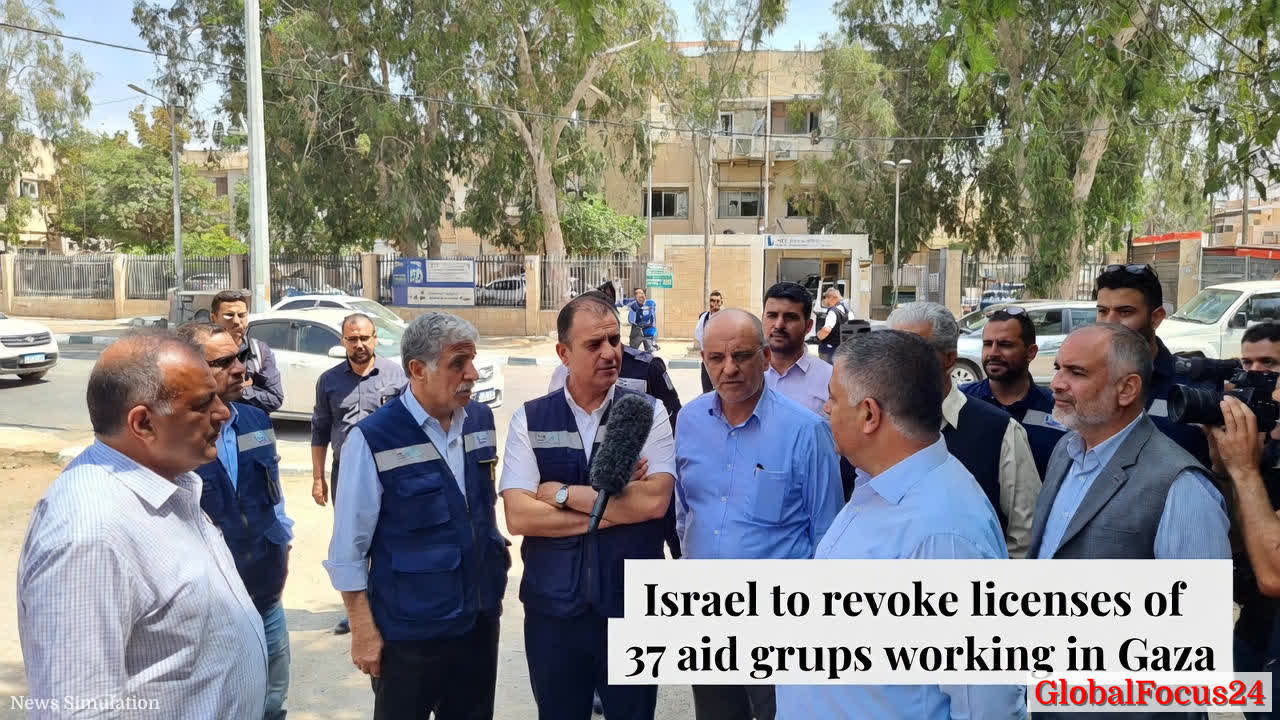
Israel to Revoke 37 Aid Group Licenses in Gaza Amid Security Vetting Push
Israel is moving to revoke the licenses of 37 humanitarian organizations operating in Gaza, effective January 1, 2026, as part of a broad tightening of security vetting rules for aid groups. The decision, announced by Israeli authorities, follows a review that concluded several organizations failed to provide complete staff and operational details required under the new framework. The measure raises questions about the continuity of essential services in Gaza, including health care delivery, nutrition programs for children, and other critical support networks that communities rely on amid ongoing humanitarian stress and a fragile ceasefire.
Background and Context The security vetting reform is part of a broader effort by Israeli authorities to strengthen oversight of foreign aid channels inside Gaza. The new rules require more granular information on staff, payroll, partner networks, and the specific projects funded by aid organizations. Proponents argue that the tightened approach aims to reduce potential security risks and ensure that aid reaches intended beneficiaries, especially in a territory where crossing points and supply routes are tightly controlled.
Historically, international humanitarian aid has played a central role in Gaza, a region long characterized by conflict, economic hardship, and high humanitarian need. Since the 2007 blockade and subsequent escalations, aid operations have adapted to shifting political and military realities, with both Israeli authorities and international agencies negotiating access, monitoring, and accountability. The current decision to revoke licenses arrives within a longer arc of security measures and humanitarian policy adjustments that have repeatedly affected aid flows and on-the-ground operations.
Operational Impact in Gaza The license revocation affects a spectrum of major humanitarian organizations known for delivering medical care, food assistance, water and sanitation services, and child protection programs. While Israeli officials state that aid will continue through approved channels, the immediate effect on Gaza's humanitarian landscape is likely to be felt in several areas:
- Healthcare access: Hospitals and clinics in Gaza depend on external aid for medical supplies, essential medicines, and equipment. Disruptions to supply lines can strain already fragile health systems, especially for chronic conditions, maternal and child health, and emergency services.
- Nutrition and child welfare: Nutrition centers and programs for malnourished children rely on a steady flow of resources and support staff. Delays or reductions in programming can affect vulnerable children during a period of heightened risk due to food insecurity and disease outbreaks.
- Water, sanitation, and hygiene: Clean water provision and sanitation projects reduce disease risk and improve living conditions, particularly in densely populated refugee camps and urban neighborhoods. Interruptions could exacerbate public health challenges.
- Education and protection services: Child protection, psychosocial support, and education-related activities often integrate with broader humanitarian response. Any scoping changes could hamper these essential services, particularly in communities already coping with trauma and displacement.
Security Vetting and Compliance The new framework requires organizations to disclose detailed information about personnel, organizational structures, and project implementation. In practice, this has demanded closer cooperation with Israeli authorities and, in some cases, scrutiny over affiliations with partners or networks that could pose security concerns. Critics argue that the rules are overly burdensome and opaque, potentially conflating legitimate humanitarian work with security risk assessments.
International Reactions Foreign ministers from a cohort of ten countries issued statements critical of the licensing decisions, describing the measures as restrictive and potentially unacceptable in the context of humanitarian neutrality. The concerns focus on ensuring that aid operations remain accessible and impartial, especially when political tensions intersect with humanitarian needs. Advocates emphasize that robust, transparent governance and rigorous, but practical, vetting processes are essential to protect aid workers and beneficiaries while maintaining lifesaving interventions.
Official Response and Channels of Aid Israeli authorities maintain that the banned organizations account for less than 1% of total aid inflows into Gaza, arguing that the vast majority of assistance will continue via approved channels. The government highlights standardized procedures for monitoring and accountability, designed to prevent misdirection of funds and to safeguard security. Officials underscore that aid must reach civilians in need without becoming a vehicle for illicit activity or security risk, reinforcing a commitment to sustain essential services in a highly volatile environment.
Regional Comparisons and Lessons Contextualizing this development against regional experiences reveals parallels and contrasts in how humanitarian relief is managed under security constraints. In other conflict zones, aid operations often navigate complex beneficiary identification regimes, land access restrictions, and cross-border logistics challenges. Some regions have established centralized coordination hubs that streamline compliance while maintaining humanitarian neutrality and efficiency. The Gaza context, with its dense population and frequent escalation risks, presents unique challenges for cross-border and intra-territory relief efforts, where even small delays can compound hardship for vulnerable groups.
Economic Implications For the humanitarian sector, the revocation of licenses can translate into higher operational costs, logistical bottlenecks, and reduced program reach. Organizations may need to pivot to compliant models, invest in security infrastructure, and re-evaluate partner networks to ensure alignment with vetting requirements. In the broader regional economy, sustaining essential services exerts a stabilizing pressure on communities already contending with unemployment, inflation, and disrupted supply chains. The interplay between security policy and humanitarian economics often shapes the resilience of households and the speed at which recovery and normalcy can resume.
Public Health and Welfare Considerations From a public health perspective, disruptions in aid flows can have ripple effects across disease prevention, vaccination campaigns, maternal health services, and nutrition programs. The potential for gaps in coverage highlights the importance of contingency planning, surge capacity, and the adaptability of international agencies to maintain critical services under constraints. Health authorities, international partners, and local NGOs may need to coordinate closely to minimize service interruptions, prioritize urgent needs, and safeguard vulnerable populations, including children and the elderly.
Humanitarian Ethics and Responsibilities The situation underscores ongoing debates within the humanitarian community about neutrality, safety, and the imperatives of protecting civilians. While security concerns are legitimate, the ethical obligation to alleviate suffering remains paramount. Agencies are tasked with balancing risk management with timely delivery of life-saving assistance, ensuring that aid reaches those most at risk without enabling harm or exploitation. Transparent reporting, independent monitoring, and robust partner accountability mechanisms are essential to uphold these principles in volatile settings.
Public Reaction and Community Voices In Gaza and among international humanitarian staff, reactions to the license revocation are mixed. Some communities express concern about potential service gaps and the sustainability of essential programs. Others acknowledge the security context and the importance of maintaining safe, accountable aid operations. Frontline workers often describe the daily realities of delivering care and support under challenging conditions, emphasizing the importance of clear channels for aid and predictable programming to reduce hardship and preserve dignity.
Looking Ahead As January 1, 2026 approaches, stakeholders across the humanitarian terrain — including donor governments, international organizations, local NGOs, and community representatives — face the task of navigating tighter security vetting while preserving access to essential services. The path forward may involve enhanced collaboration between Israeli authorities and aid organizations, investment in security training for staff, and the development of more resilient operational models. The ultimate objective remains to protect civilians, deliver critical assistance, and support a durable, humane response to one of the region’s most entrenched humanitarian challenges.
Key Takeaways
- Security vetting reforms prompted the license revocation for 37 aid groups operating in Gaza, with formal effect on January 1, 2026.
- The affected organizations reportedly submitted incomplete staff and operational details, triggering the regulatory action.
- Officials insist that aid will continue via approved channels, while international partners urge careful monitoring to prevent service gaps.
- The decision sits at the intersection of security concerns, humanitarian needs, and the broader regional dynamics that shape aid delivery in conflict zones.