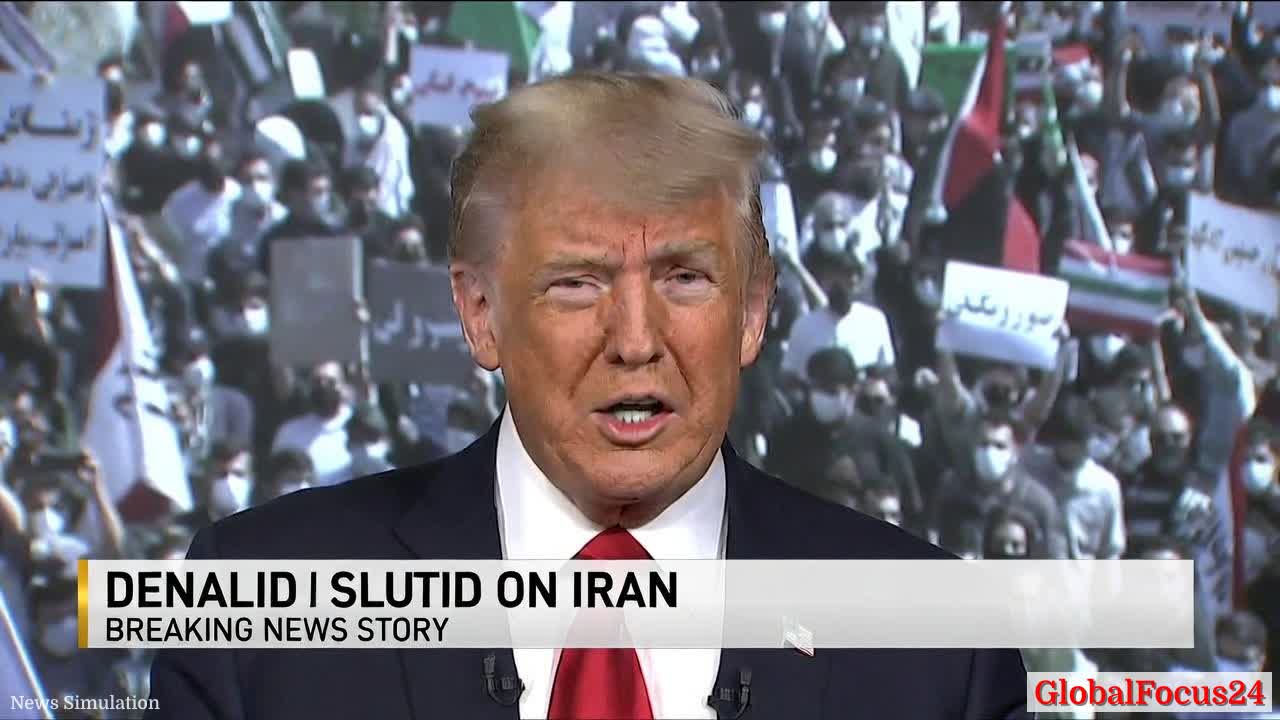
Iran’s Protests Enter Third Week as Economic Strains, Public Unrest Drive a Historic Moment
As protests spread across Iran’s 31 provinces, economic hardship and energy shortages have intensified public demonstrations that now constitute one of the most significant domestic challenges to the Islamic Republic in years. Since late December 2025, thousands have taken to streets in Tehran, Mashhad, Isfahan, Tabriz, and other cities, shaping a national narrative that blends grievances over inflation, living costs, and access to basic services with broader questions about political legitimacy and governance.
Historical context: a decades-long cycle of economic pressure and political crackdowns
Iran’s contemporary protest wave arrives after a long arc of economic hardship linked to international sanctions, commodity price volatility, and domestic subsidy reforms. The country has weathered multiple periods of inflation and currency devaluation that have eroded household purchasing power. While sanctions have targeted specific sectors, their broader impact on the economy is felt by everyday Iranians through higher import costs, tightened credit, and reduced investment. In prior decades, Iranian authorities have faced similar mobilizations when price shocks or policy shifts collide with public expectations for steady governance and access to essential goods. This latest surge of demonstrations is notable for its scale, geographic reach, and sustained momentum, characteristics that signal a profound test for both the regime and the civil society actors seeking reform.
Economic impact: across households and regional economies
The unrest is unfolding at a moment when Iran’s economy is contending with multiple pressure points. Inflation has surged, eroding real incomes and widening the gap between rising prices for food, fuel, and housing and stagnant wage growth. Energy shortages reported in various regions amplify the immediate hardship for families reliant on consistent power and gas supply for heating during cold winter months. These conditions contribute to a broader perception that authorities are unable to ensure basic services, a key driver of dissent in many markets worldwide.
Beyond household finances, the protests touch sectors sensitive to public sentiment and state capacity. Retail and consumer confidence face headwinds as social stability concerns rise. If the government responds with strict controls or rapid policy reversals, there can be spillover effects on private investment and long-term economic planning, potentially affecting growth trajectories and job creation. Conversely, if authorities pursue gradual reforms and targeted subsidies, there could be room for stabilization, though successfully balancing security considerations with policy shifts remains a delicate challenge.
Regional comparisons: how Iran’s situation fits a broader pattern
Iran’s current dynamic mirrors a broader global phenomenon in which economic stress intersects with political mobilization. In several countries facing elevated inflation, currency volatility, and energy insecurity, large-scale demonstrations have emerged as a barometer of public sentiment toward leadership and governance. What distinguishes Iran’s moment is its persistent geographic spread and the intensity of the crackdown reported by human rights organizations and independent observers. Regions with higher urban density and more interconnected populations often experience faster diffusion of protest movements, making it challenging for authorities to contain demonstrations without robust, credible policy responses.
From a regional lens, neighboring economies that rely on energy exports, trade routes, and sanctions dynamics face parallel pressures. The complexity of Iran’s external economic environment—driven by global energy markets, sanctions policy, and shifts in multinational investment—affects not only the macroeconomic outlook but also the lived experience of households. In countries with similar exposure to sanctions or external shocks, governments sometimes pursue gradual reforms to address price distress and public service delivery, while others prioritize security-centric approaches. Iran’s current approach and public reaction will be closely watched by regional analysts for signals about policy pathways and stabilization prospects.
Public reaction and human impact: a balance of resilience and vulnerability
The scale of demonstrations indicates a broad sense of urgency among many Iranians. Citizens expressing dissatisfaction with inflation, job prospects, and energy reliability reflect fundamental concerns about quality of life and economic opportunity. Reports from healthcare facilities and civil society groups highlight the human cost of ongoing protests, including casualties, arrests, and strained medical capacities. The international community remains attentive to these developments, emphasizing the importance of protecting human rights and ensuring access to essential services while acknowledging national sovereignty and security considerations.
Policy considerations: what could shape the near-term outlook
Several policy directions could influence the unfolding trajectory:
- Targeted economic relief: focused subsidies or targeted support for households facing the steepest price increases could help alleviate immediate distress without broad, destabilizing fiscal pressure.
- Energy security measures: improving reliability and affordability of energy supplies, including maintenance investments and diversification of energy sources, could reduce one of the central triggers of unrest.
- Communication and transparency: credible information about policy steps and timelines for economic reforms can help rebuild public trust, even amid challenging macroeconomic conditions.
- Rule of law and civil space: ensuring due process and proportional responses to protests may mitigate escalation and support a more stable environment conducive to reform efforts.
International dimension: diplomatic engagement and regional stability
As demonstrations unfold, external actors often weigh the balance between expressed concern for civilian welfare and respect for sovereignty. Diplomatic engagement that emphasizes humanitarian considerations, coupled with open channels for dialogue, can help de-escalate tensions. At the same time, regional stability benefits from predictable economic policy and consistent governance that can attract investment and support long-term growth. The evolving situation will likely influence regional energy markets and trade patterns, given Iran’s prominent role as a major energy supplier and its strategic location along important transit routes.
Public discourse and media landscape: information, access, and resilience
Access to information is a critical factor in shaping public perception during periods of unrest. Internet restrictions and media restrictions can complicate efforts to verify events on the ground, affecting how communities understand developments and respond. Journalists and observers operating in constrained environments often rely on multiple channels, including independent reporting, civil society data, and international monitoring, to present a comprehensive view of events. Public reaction is a blend of concern, solidarity, and calls for reform, a testament to a populace that remains engaged and vigilant even under pressure.
Conclusion: a pivotal moment with lasting implications
The current surge of protests in Iran represents a pivotal moment for the country’s social and political fabric. While the economy remains a primary driver of discontent, the demonstrations also reflect a broader aspiration among segments of the population for greater transparency, accountability, and participation in governance. Historical precedents show that sustained civil expression can prompt policy recalibration, even in environments with entrenched political dynamics. The coming weeks will be crucial as authorities respond, reform proposals are weighed, and the public monitors the balance between security measures and economic relief.
Key takeaways for readers
- Widespread protests have spread to major urban centers, signaling a broad demand for economic relief and governance reform.
- Inflation and energy shortages are central grievances affecting household finances and daily life.
- The government faces a complex decision set that weighs security considerations against the potential benefits of targeted reform measures.
- Regional and international dynamics—such as sanctions, energy markets, and diplomatic engagement—will shape the policy response and the economic outlook.
- Public health and human rights remain central concerns as authorities manage protests and the societal impact of unrest.
Public interest angles to watch
- The pace and scope of any announced economic measures, and how they target the most affected populations.
- Developments in energy policy, including any steps to stabilize supply and reduce consumer costs.
- The evolution of enforcement practices and judicial processes in response to demonstrations.
- Shifts in international engagement, including sanctions posture, diplomatic outreach, and humanitarian considerations.
As the situation continues to unfold, observers stress the importance of measured policy responses that address immediate needs while laying groundwork for longer-term economic resilience and political stability. The coming days may reveal whether Iran can translate public demand for change into concrete reforms that bolster stability, or whether continuing tensions portend a period of intensified hardship and uncertainty for many communities.