Iran Faces Nationwide Blackout as Protests Erupt After Exiled Crown Prince Call
A sweeping communications blackout has enveloped Iran as large-scale protests spread across major cities in response to a call from the exiled crown prince. With internet access and telephone lines severed, authorities have sought to curb demonstrations that activists describe as a pivotal moment for civic expression in the country. The disruption, confirmed by multiple independent observers and local activists, follows a pattern seen in past upheavals where digital connectivity is cut to blunt organization and messaging. Yet the current wave of demonstrations signals a broader public demand for change that transcends immediate online visibility.
Historical context frames the current crisis as part of a longer arc of political tension that has characterized Iran for decades. The use of communications restrictions as a tool of containment has precedents dating back to earlier periods of unrest, when authorities limited social media access, throttled data speeds, or shuttered external networks to manage crowds and control information. Analysts note that while such measures create short-term friction for organizers, they often fail to address underlying grievances and may even intensify international attention and domestic resolve. In this environment, the present protests are less about a single spark and more about accumulated dissatisfaction with economic pressures, governance, and social restrictions that many citizens weigh daily.
Economic implications reverberate beyond the streets. Iran’s economy has faced sustained headwinds, including inflation, currency volatility, and sanctions-related pressures that affect household budgets and business investment. The disruption of communications further compounds these stresses by complicating day-to-day commerce, supply chains, and the ability of workers to coordinate shifts and employers to manage operations. In cities where small and medium enterprises form the backbone of local economies, even brief interruptions to digital connectivity can disrupt payments, logistics, and customer access. Economists warn that extended outages could slow informal market activity and complicate foreign exchange dynamics, further amplifying the cost-of-living pressures that many households are already navigating.
Regional comparisons illuminate how similar episodes unfold in different contexts. In neighboring regions where authorities have employed rapid, technology-driven responses to protests, the interplay between security measures and economic resilience often hinges on pre-existing diversification of energy sectors, manufacturing capacity, and export markets. Countries with robust digital infrastructure and diversified trade relationships can sometimes weather connectivity shocks with less disruption to essential services. Conversely, economies that rely heavily on digital platforms for remittances, e-commerce, and real-time communications may experience more pronounced short-term effects. The current situation in Iran is being watched not only for its immediate human and political dimensions but also for what it portends about the resilience of digital economies under pressure.
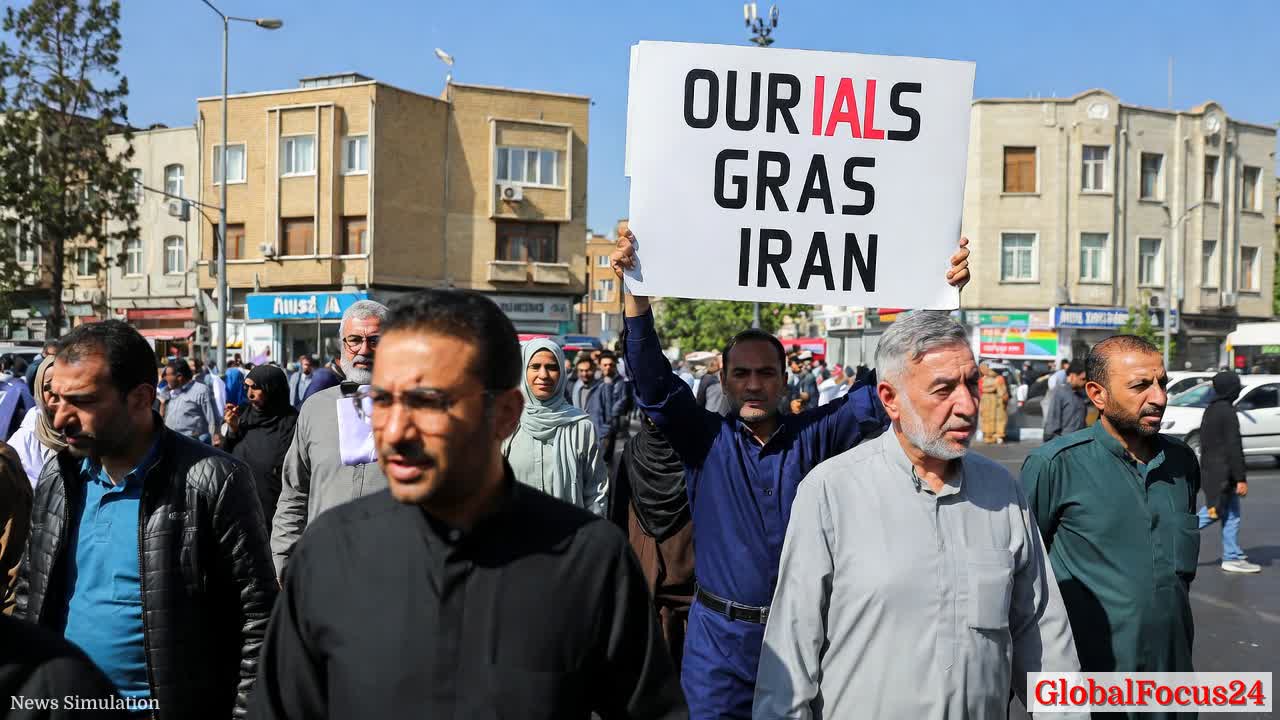
Public reaction offers a window into the emotional pulse driving scenes across the country. On-the-ground reporting and social media snippets captured a mix of solidarity, concern, and urgency as crowds gathered in central squares and major thoroughfares. Demonstrators have invoked themes of dignity, economic opportunity, and political participation, signaling a desire for structural reforms rather than isolated grievances. Community leaders and watchdog groups emphasize the importance of peaceful assembly and lawful conduct, underscoring a universal expectation that security services will protect the right to protest while maintaining public safety. International observers have called for restraint and emphasized the protection of civilians, including vulnerable groups who can be disproportionately affected during periods of restricted communication.
The strategic calculus for policymakers in the near term will likely balance crowd management with signals of dialogue. Historically, regimes facing sustained protests have oscillated between punitive crackdowns and concessions that address some core demands. In this moment, observers urge measured engagement that avoids inflaming tensions or eroding trust further. The size and persistence of demonstrations may influence outcomes, but the broader lesson for governance remains: economic relief, transparent communication, and predictable policy environments can reduce the perceived need for street-level action over time. Authorities may also face a challenge in maintaining public safety while ensuring essential services remain accessible, particularly in healthcare, emergency response, and fuel supply networks, where continuity is crucial for national stability.
From a security and civil liberties perspective, the blackout raises questions about the balance between security and the free flow of information. The strategic use of information controls—whether through shutting down networks, restricting messaging platforms, or limiting external communications—presents a paradox: short-term control can obscure facts and escalate rumors, while long-term escalation can erode trust in institutions. Civil society organizations, independent journalists, and regional observers emphasize the importance of preserving access to verified information and safeguarding journalists who document events in difficult environments. Clear, accurate reporting becomes all the more essential when official channels are constrained, helping families understand safety precautions and communities organize non-digital means of mutual aid.
In the broader geopolitical context, the events unfold amid a complex landscape of regional dynamics and international diplomacy. External actors often monitor such protests for implications related to energy markets, sanctions policies, and regional alliances. While foreign involvement can shape the strategic environment, the immediate focus remains on the experiences of ordinary citizens: the ability to move freely, to work, to access information, and to participate in the civic life of their country. Community resilience, humanitarian considerations, and local leadership will play crucial roles in shaping the trajectory of the current unrest and the responses that emerge in the coming days and weeks.
The path forward for Iran will depend on multiple interlocking factors. Economic stabilization measures, credible channels for public dialogue, and assurances of safety for demonstrators can help reduce escalation while preserving the right to peaceful assembly. Investments in critical infrastructure, energy reliability, and social safety nets can address some of the material concerns that fuel protests, complementing any political reforms that may emerge from ongoing discussions and negotiations. In parallel, regional partners will be watching for signs of stability, recognizing that a more predictable environment supports trade, energy markets, and cross-border cooperation.
As information networks begin to restore and communication channels slowly reappear, analysts anticipate a renewed focus on concrete policy responses. Citizens will look for tangible steps toward economic relief, transparency, and inclusive governance. Newsrooms and researchers will monitor developments, documenting shifts in leadership rhetoric, security posture, and the operational readiness of essential services. The long arc of reform is seldom linear, but the current moment could become a catalyst for enduring changes if policymakers respond with credibility, empathy, and practical solutions.
Ultimately, this episode underscores the enduring tension between the right to protest and the state's obligation to maintain order, safety, and public services. It also highlights how economic pressures and social aspirations can converge to create powerful public movements capable of reshaping national conversations. For observers and participants alike, the coming days will test the resilience of institutions, the adaptability of communities, and the willingness of leadership to engage with citizens in meaningful, constructive ways.