Israel-Iran Gulf Crisis Intensifies Energy Landscape as Brent Nears $115
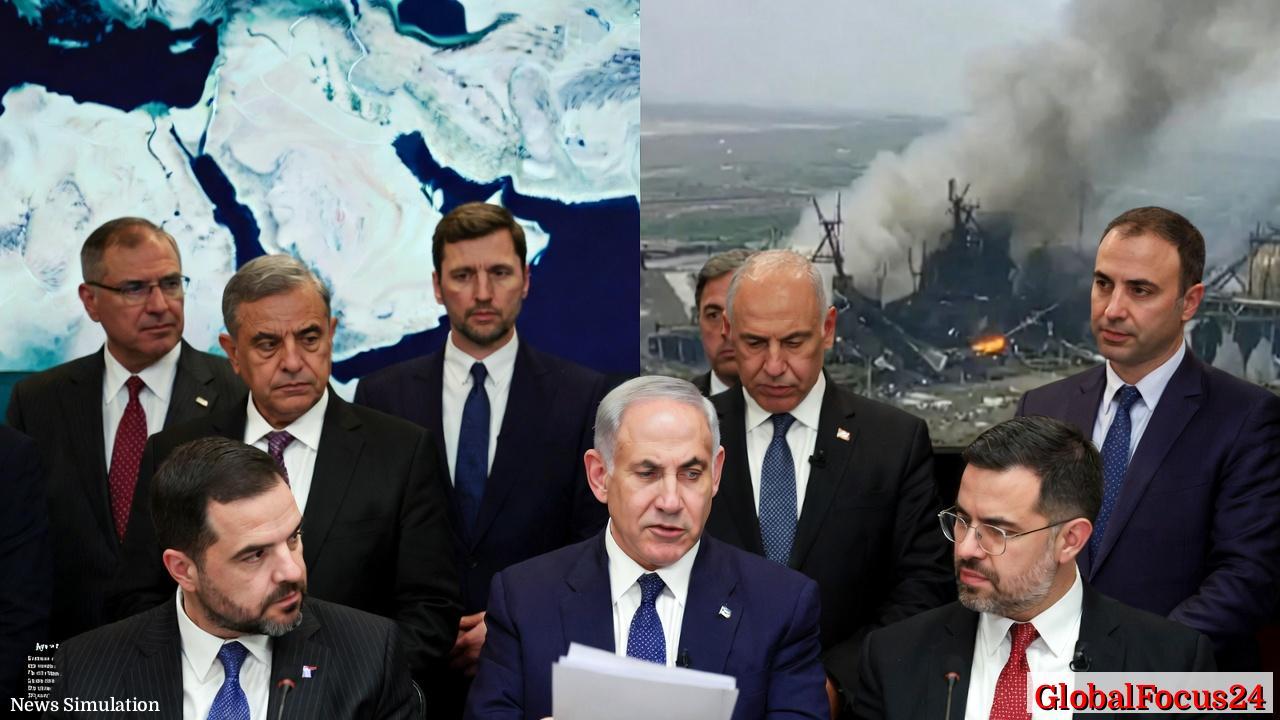
In a high-stakes episode that has swiftly reshaped the regional energy security landscape, a coordinated strike targeted Iran’s South Pars natural gas field, the world’s largest shared offshore asset with Qatar. Reports indicate the operation was executed by Israel, with subsequent Iranian responses rippling across the Gulf region. As markets react, policymakers and energy players weigh the implications for supply reliability, regional diplomacy, and long-term infrastructure resilience.
Historical context: South Pars’s strategic importance and shared stewardship South Pars sits at the heart of a complex energy tapestry woven over decades. Located in the Persian Gulf, the field straddles international borders and is developed jointly by Iran and Qatar. Its vast reserves underpin a substantial portion of the region’s natural gas production, feeding domestic needs and international liquefied natural gas (LNG) markets. The field’s output underpins Qatar’s status as a leading LNG exporter and forms a backbone for regional energy trade. Any disruption reverberates through global gas markets, energy pricing, and the broader energy security calculus of major consuming nations.
The attack and immediate security response The reported strike on South Pars, described as an attack on critical energy infrastructure, triggers a rapid sequence of strategic repercussions. Iran’s subsequent actions—reportedly focusing on other oil and gas facilities across Gulf energy hubs—underscore how vulnerabilities in one asset can cascade across adjacent infrastructure. The retaliatory strikes, including ballistic attacks on facilities in Qatar and related LNG sites, heighten concerns about safety protocols, containment measures, and the resilience of energy supply chains that stretch beyond national borders.
Regional reactions and diplomatic fault lines
- Qatar has indicated substantial damage, signaling a potential escalation pathway and signaling its preparedness to respond within its national defense and international law frameworks.
- Across the region, governments have voiced concern about the risk of further incendiary actions and the broader implications for energy markets and regional stability.
- International reactions vary, with allied nations emphasizing the sanctity of civilian infrastructure and urging de-escalation while acknowledging the strategic stakes tied to energy security in the Gulf.
Market implications: energy prices, supply expectations, and investor sentiment
- Brent crude prices moved toward the upper $100s per barrel, reflecting the market’s sensitivity to Gulf energy disruptions and the potential for broader supply constraints. The price trajectory signals traders’ assessment of risk premiums attached to ongoing tensions and the likelihood of continued volatility in supply lines linked to LNG and pipeline gas, as well as crude oil in nearby markets.
- LNG markets, already susceptible to seasonal demand shifts and maintenance cycles, faced added volatility as North Asian and European buyers reassessed contracted volumes, shipping routes, and term price negotiations with remaining Gulf suppliers.
- Insurance, financing, and project timelines for energy infrastructure projects—ranging from LNG facilities to cross-border pipelines—face elevated risk premiums as operators reassess security protocols, route diversification, and redundancy planning.
Economic impact: short-term costs and longer-term implications for energy strategy
- Immediate costs include the need for emergency response, repair timelines for damaged facilities, and potential rerouting of cargoes or replacement supply from alternative sources.
- Medium-term implications center on investment in enhanced security for critical energy infrastructure, including advanced monitoring, hardened facilities, and diversified supply arrangements to reduce dependence on any single asset.
- Longer-term strategic effects may influence regional energy policy, including considerations of energy self-sufficiency, strategic reserves, and the diversification of LNG supply routes that connect Gulf production with global consumers.
Regional comparisons: why the Gulf energy architecture matters
- In neighboring logistics nodes, economies with robust gas import infrastructure, storage capacity, and flexible contracting structures tend to weather supply disruptions better, underscoring the value of diversified sourcing and resilient port facilities.
- The Gulf’s energy ecosystem exhibits high interdependence: policymakers and operators routinely weigh single-asset vulnerabilities against the benefits of shared infrastructure that reduces overall capital costs but increases collective exposure to geopolitical shocks.
- By contrast, some non-Gulf regions have built more diversified energy portfolios with greater electricity interconnection among adjacent markets, which can mitigate the impact of localized disruptions but introduce cross-border regulatory and pricing complexities.
Operational resilience: what stakeholders are pursuing
- Energy producers and transporters are prioritizing contingency planning, rapid response capabilities, and enhanced surveillance of critical nodes to detect and deter threats before they escalate.
- Governments are likely focusing on corridor-security arrangements, with an emphasis on safeguarding maritime routes, LNG bunkering hubs, and onshore gas-processing facilities that handle large-scale volumes.
- Consumers and manufacturers may experience price signals that influence procurement strategies, especially for industries with high energy intensity, as well as potential shifts in demand patterns prompted by price volatility.
Public reaction and the information environment Public sentiment in many Gulf states and allied capitals has reflected a mix of concern for energy security and support for measured defense of critical infrastructure. The events have placed energy security at the forefront of national discussions, influencing both policy debates and the tone of official communications about regional stability and alliance cohesion. While markets react tos, energy ministries and state-backed enterprises emphasize continuity of supply and transparent, accountable responses to disruptions.
Comparative regional dynamics: who bears the load when fuel markets wobble
- Countries with diversified import portfolios and liquid gas markets may absorb shocks more smoothly, provided they have contractual flexibility and adequate storage to dampen short-term fluctuations.
- Energy-intensive economies in Asia and Europe are particularly attuned to price movements in Brent and LNG benchmarks, making them watchful for any sustained disruption in Gulf supply lines or shipping insurance costs.
- Smaller Gulf economies with a strong reliance on energy revenue face heightened fiscal risk if disruptions persist, which could prompt shifts in investment strategies, diversification efforts, and public-subsidy adjustments.
Geopolitical context: navigating a complex web of interests The incident sits within a broader geostrategic milieu characterized by competing security concerns, alliance dynamics, and regional disputes. While the immediate objective appears to be safeguarding energy security and signaling deterrence, the long-term trajectory will depend on diplomatic engagement, confidence-building measures, and the resilience of international energy markets to absorb shocks without destabilizing prices or supply reliability.
Outlook: near-term risks and longer-term considerations
- Near-term: heightened vigilance at energy hubs, potential further responses from involved parties, and continued volatility in crude and natural gas markets as monitors assess the durability of supply routes and the pace of asset repairs.
- Medium-term: potential realignments in regional security arrangements and increased capital expenditure on infrastructure hardening, redundancy, and diversified logistics to reduce single-point failure risk.
- Long-term: the trajectory for regional energy collaboration and cross-border infrastructure investment will hinge on diplomatic progress, security assurances, and the ability of market mechanisms to price risk efficiently in a volatile geopolitical environment.
Conclusion The strike on South Pars and subsequent Gulf energy developments underscore the delicate balance between energy security, regional stability, and global market resilience. As producers, policymakers, and consumers respond to disruptions, the emphasis remains on safeguarding critical infrastructure, maintaining supply continuity, and pursuing prudent diversification strategies that can withstand future shocks. The coming weeks will reveal how regional actors recalibrate their security postures, how markets price ongoing risk, and how international collaboration can sustain energy flows in a world where geopolitical flashpoints can quickly translate into economic consequences.