ICE Shooting in Minneapolis: Community Reactions, Legal Context, and Economic Impacts
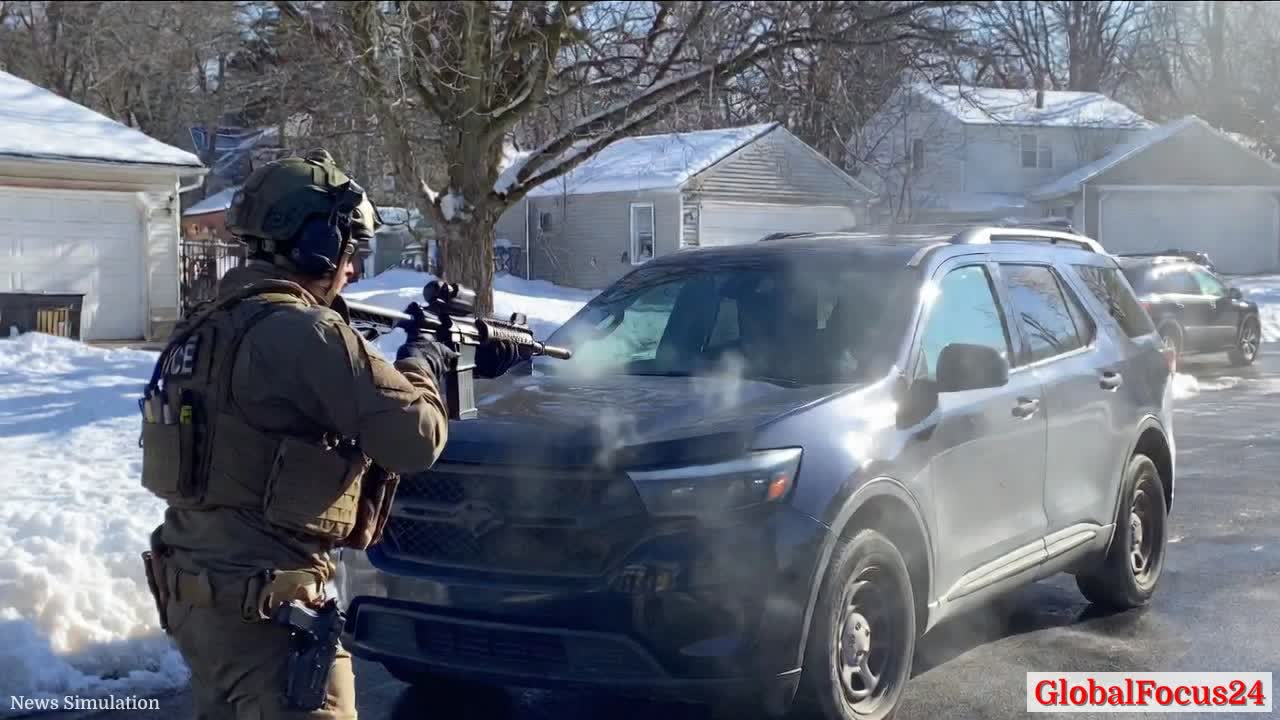
A fatal shooting involving an Immigrations and Customs Enforcement (ICE) agent in Minneapolis has drawn widespread attention from residents, policymakers, and legal observers. The incident, captured on video during a snowy confrontation near a residential area, has prompted renewed discussions about policing practices, training, and accountability within federal law enforcement. This article provides historical context, examines potential economic implications for the region, and compares regional responses to similar incidents, all while maintaining an objective, desk-side reporting tone.
Historical Context and precedents Incidents involving federal agents in urban environments often reverberate beyond the immediate locality. Minneapolis, with its complex history of policing reforms and civil rights activism, provides a backdrop for examining how such events influence public trust and interagency cooperation. While federal operations frequently occur in collaboration with local law enforcement, the specifics of this case—where an agent in tactical gear engaged during cold-weather conditions near a residential neighborhood—underscore ongoing questions about use-of-force protocols, escalation decisions, and the thresholds that trigger firearm discharge during field encounters.
Historically, use-of-force guidelines in federal agencies emphasize de-escalation, risk assessment, and proportional response. Yet real-world scenarios can rapidly evolve, especially in densely populated areas with bystanders and vulnerable residents. The Minneapolis context is notable not only for the immediate human impact but also for how local communities, state authorities, and federal agencies coordinate investigations, release information, and communicate with residents amid ongoing inquiries.
Operational and legal framework The legal framework governing use-of-force by federal agents derives from constitutional protections and agency-specific policies. Reviews typically examine whether force was necessary, whether less-lethal alternatives were considered, and whether the agent adhered to established training protocols. In parallel, independent investigations by federal inspectors general, internal affairs divisions, and, where applicable, state oversight bodies play a critical role in establishing facts, evaluating procedural adherence, and determining accountability.
In this incident, investigators are likely to scrutinize the sequence of events leading to the discharge, the decision-making process under cold-weather conditions, and the proximity to residential structures. Video evidence, while invaluable, is weighed alongside testimonies from witnesses, field notes from responding officers, and any body-worn camera footage. The outcome of the investigation can influence policy reviews across agencies and potentially drive refinements to training standards, especially in urban operations that intersect with civilian neighborhoods.
Economic impact considerations Though the immediate focus is on safety and accountability, such events can have ripple effects on local economies. Confidence in public safety, property values, and business activity can be sensitive to perceptions of policing effectiveness and procedural transparency. In the Minneapolis area, a high-profile incident can influences, prompt renewed discussions about resource allocation, and shape community meetings that discuss future policing strategies or reforms.
From an economic standpoint, key channels of impact include:
- Local business sentiment: Reassurance that public spaces are safe can support retail foot traffic, while prolonged uncertainty or heightened tension near neighborhoods can dampen consumer activity.
- Public spending considerations: Investigations and any ensuing policy changes can influence budgeting decisions for law enforcement training, community outreach programs, and civilian oversight mechanisms.
- Insurance and real estate effects: Uncertainty surrounding violent incidents may affect property insurance premiums or perceived risk profiles for nearby housing developments, particularly in urban cores with existing redevelopment plans.
Regional comparisons and learnings Looking at similar incidents across the Upper Midwest and neighboring states offers useful contrasts. Urban centers with comparable demographics and law enforcement structures have pursued varied approaches to transparency and community engagement after use-of-force events. Some regions have emphasized rapid, detailed public disclosures and joint press conferences to address concerns, while others have prioritized independent investigations and longer-term policy reviews before sharing comprehensive findings.
In terms of economic consequences, cities that implement proactive community outreach alongside investigations tend to experience shorter periods of consumer hesitation and more rapid restoration of civic routines, such as local markets and school commuting patterns. Conversely, extended disputes over facts or perceived obstructions to timely information can prolong unease and influence consumer confidence more broadly.
Public reaction and community response Public reaction to fatal encounters with federal agents is often shaped by prior experiences with law enforcement, media coverage, and the perceived transparency of the investigative process. Communities frequently call for:
- Transparent timelines: Clarity about when information will be released and how findings will be communicated.
- Independent oversight: Confidence that investigations are conducted impartially and without conflicts of interest.
- Training reforms: Interest in policies that emphasize de-escalation, situational awareness, and civilian safety in urban operations.
In the Minneapolis region, residents may respond with a mix of condolences for those affected, concern about neighborhood safety, and demand for accountability and policy improvements that reduce the likelihood of similar tragedies in the future. Public reactions can influence subsequent civic discussions, including neighborhood council meetings, school district briefings, and local media coverage that frames ongoing reforms.
Implications for policy and practice This incident reinforces several enduring themes in federal and local policing discourse:
- De-escalation and timing: Evaluating whether opportunities to reduce risk existed earlier in the encounter and identifying successful strategies for disengagement in residential settings.
- Training under winter conditions: Recognizing the unique challenges of snow, ice, and limited visibility on decision-making, and potentially expanding training scenarios to reflect harsher weather conditions.
- Community-safe operations: Emphasizing protocols that minimize exposure of residents to armed confrontations, including strategic positioning and communication with bystanders.
Policy discussions at the municipal and federal levels may consider:
- Enhanced civilian oversight mechanisms for federal operations within city boundaries.
- Clearer public communication protocols for investigations that involve federal agents in urban areas.
- Public safety investments that address pre-incident risk reduction, neighborhood-based outreach, and interoperable response capabilities.
Potential avenues for further reporting To deepen understanding of the broader impact, future coverage could:
- Track the investigation’s timeline and publish key milestones as they become available.
- Analyze comparisons with similar incidents in other metropolitan areas to identify best practices in transparency and accountability.
- Examine community recovery efforts, including how neighborhoods rebuild trust and how local institutions support residents in the aftermath.
Conclusion Incidents of this nature invite careful examination of law-enforcement practices, especially in urban settings where residential exposure adds complexity to use-of-force decisions. While the immediate focus remains on accountability and factual clarification, the broader implications touch on public safety, economic stability, and community trust. By balancing rigorous investigative standards with transparent communication and constructive policy reforms, authorities can uphold safety objectives while honoring the rights and concerns of residents who live in the neighborhoods where these events unfold.
Note: This article presents an objective, context-rich overview without advocating for any political position or endorsing a particular viewpoint.