America's raid on Venezuela reveals the limits of China's reach
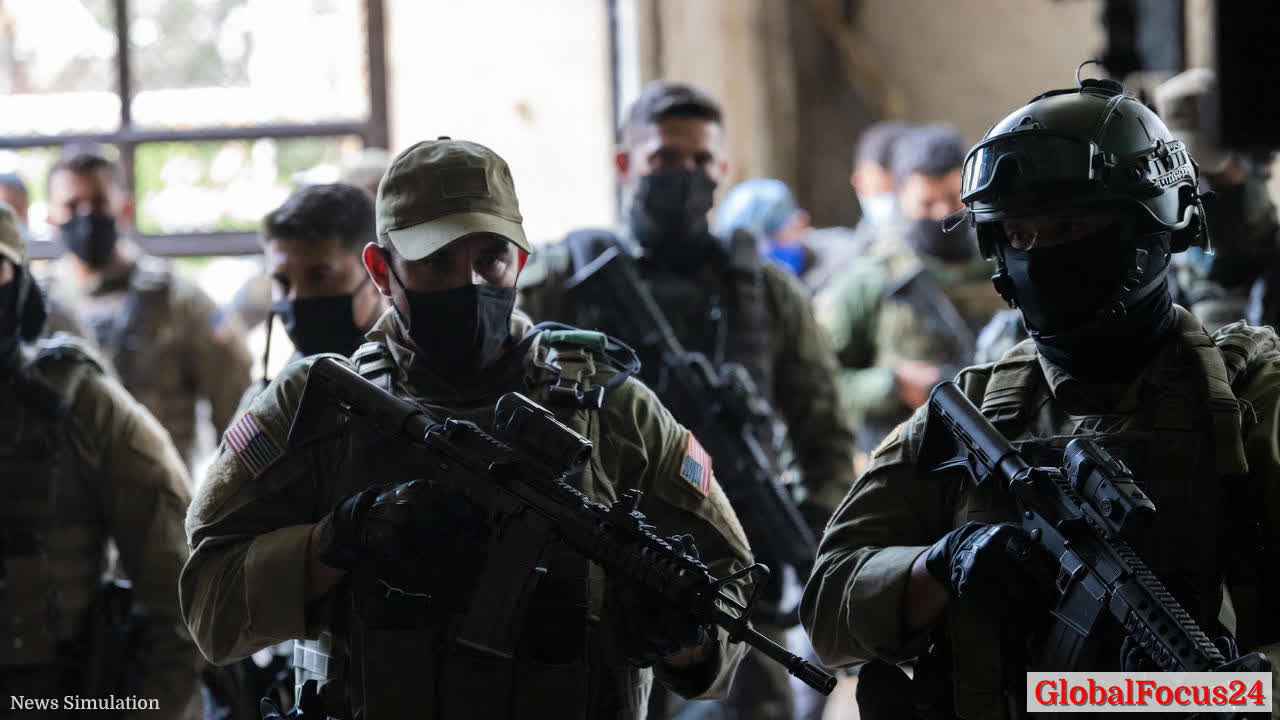
The unprecedented raid by American special forces into Venezuela has rattled observers across the hemisphere and beyond, prompting a reassessment of regional power dynamics, the durability of international alliances, and the evolving strategies of major players in global diplomacy. While details continue to emerge, the episode underscores a recurring theme: the limits of external powers' ability to shape events in a volatile, geopolitically charged environment without broad domestic consensus and regional cooperation.
Historical context and the trajectory of influence
To understand the implications, it helps to place the incident within a long arc of U.S. engagement in Latin America and the Caribbean. Since the mid-20th century, American policy in the region has balanced economic interests, security concerns, and political influence. The Cold War era established a pattern in which external powers—most notably the United States and, later, emerging global players—sought to secure strategic terrain, protect energy corridors, and shape governance outcomes in neighboring states. Venezuela’s vast oil reserves, once a cornerstone of regional energy stability, intensified scrutiny from investors and rival powers alike during the 21st century as global energy markets evolved and geopolitical fault lines shifted.
Amid these currents, China’s role grew more pronounced as Beijing pursued a diversified foreign policy strategy: expanding trade, financing infrastructure, and cultivating diplomatic alliances in regions historically dominated by Western influence. Venezuela became a focal point of this strategy, with state-backed loans, industrial projects, and veteran diplomacy aimed at expanding Beijing’s footprint in South America. Yet the current episode suggests that such efforts, while significant in economic and symbolic terms, have not yet translated into durable strategic leverage capable of offsetting American predominance in regional security affairs.
Economic dimensions and regional impact
The economic repercussions of the operation ripple through multiple layers of the region. First, the event crystallizes the volatility that has characterized commodity markets, especially for oil, where global supply concerns reverberate through prices and procurement strategies. Venezuela’s energy capacity, while historically substantial, has faced persistent challenges in maintenance, investment, and logistical reliability. The raid does not just affect bilateral relations; it also prompts energy market participants to re-evaluate risk premiums, contract structures, and supply diversification plans across Latin America and the Caribbean.
Second, the incident accelerates debates about debt sustainability and investment risk. Countries in the Americas have benefited from a diversified mix of lenders and financiers, including regional development banks, private capital, and international institutions. The perception that political risk can surge rapidly and unpredictably may influence both sovereign credit outlooks and the appetite of investors for long-term projects in politically sensitive environments. In turn, this has implications for infrastructure programs, transportation corridors, and energy projects that many nations rely on to modernize and integrate into global supply chains.
Third, regional trade patterns may experience a recalibration as nations reassess their strategic partnerships. Economic corridors and cross-border commerce often hinge on stability and predictability. A high-profile security operation can tilt investment decisions toward more conservative, risk-averse strategies, potentially slowing certain development agendas but also reinforcing the value of diversified supplier networks and transparent governance standards. The long-run effect could be a more resilient regional framework that prizes governance reforms, accountability, and the rule of law as essential components of sustainable economic growth.
Regional comparisons and strategic lessons
Looking at neighboring regions offers a useful lens to interpret the development. In Central America and the Caribbean, smaller economies frequently contend with external shocks and external funding cycles that can be volatile. Policymakers in these areas may view the episode as a reminder of the importance of building credibility through transparent fiscal management, diversified trade relationships, and robust security cooperation. By contrast, in Southern Cone economies with deeper industrial bases and more integrated financial markets, the appetite for outward-looking partnerships—such as joint ventures in energy, manufacturing, and technology—tends to be more resilient despite geopolitical turbulence. The experience in Venezuela thus becomes a case study for how countries navigate risk, maintain autonomy, and pursue growth in a world where great-power competition often intersects with regional interests.
The incident also prompts a broader assessment of alliance structures and regional security architectures. The United States has long advocated for regional collaboration through multilateral mechanisms, security partnerships, and licensing norms that protect critical energy infrastructure and promote stability. The current event highlights the enduring value of these institutions while also revealing the challenges of sustaining them in the face of competing diplomatic agendas. For regional actors, the takeaway is clear: participation in such frameworks requires not only strategic alignment but also domestic legitimacy and transparent governance that reassure international partners and investors alike.
Public reaction and societal consequences
Public sentiment across the region reflects a mix of concern, curiosity, and a desire for stability. In capitals and provincial towns alike, residents weigh the immediate effects on daily life—gas prices, job security, and access to energy resources—against longer-term considerations such as economic diversification, democratic governance, and regional cooperation. Civil society groups, business associations, and think tanks are taking a closer look at how external interventions, sanctions regimes, and international diplomatic signaling influence domestic policy choices. The uncertainty of geopolitical flashpoints often amplifies calls for accountability, accountability that can translate into reforms aimed at strengthening institutions, enhancing transparency, and promoting inclusive growth.
Meanwhile, regional media coverage emphasizes the human dimension of the event: the communities tied to energy supply chains, the workers in industrial projects funded by international loans, and the families navigating the economic reverberations of policy shifts. Journalistic attention to these narratives helps contextualizes within the lived experiences of millions who rely on stable energy markets, secure employment, and predictable economic conditions as foundations for daily life.
Security implications and risk management
From a security perspective, the operation offers lessons about risk assessment, force projection, and the limits of rapid, unilateral action. While technological advancements and specialized capabilities may enable targeted interventions, the broader strategic environment emphasizes the importance of robust intelligence, diplomacy, and alliance-based approaches to crisis management. For Latin American nations and their neighbors, the episode reinforces the prudence of building layered defense and resilience—ranging from critical infrastructure hardening to diversified energy sourcing and emergency preparedness planning.
Another takeaway concerns the role of regional partnerships in mitigating shocks. Nations with strong trade and security ties to multiple partners are better positioned to absorb external disruptions. The event underscores the value of predictable institutional frameworks at home and abroad, which can dampen the spillover effects of sudden geopolitical moves and support smoother transitions during periods of uncertainty.
Future outlook and policy considerations
As observers digest the immediate consequences, several policy considerations emerge for governments across the region and beyond. First, economic diversification remains a central objective. Reducing dependence on a single resource or external financing channel can lessen vulnerability to geopolitical volatility and policy shifts abroad. Second, governance and transparency must be prioritized to bolster investor confidence. Clear rules, reliable enforcement, and consistent regulatory environments help attract long-term capital and support sustainable development.
Third, investment in regional capacity-building—ranging from energy sector modernization to cyber and critical infrastructure protection—can create a more resilient ecosystem. This includes strengthening supply chain security, ensuring redundancy in energy networks, and fostering innovation ecosystems that raise productivity and competitiveness. Fourth, diplomacy and regional cooperation should emphasize inclusive dialogue, mutual respect for sovereignty, and shared benefits from open markets. A balanced approach that champions open trade while safeguarding national interests can help sustain growth even amid geopolitical frictions.
Conclusion
The raid into Venezuela serves as a stark reminder that great-power competition continues to shape the regional landscape, even in areas traditionally considered within the sphere of domestic governance. Yet the incident also highlights the resilience and adaptability of regional economies and institutions, which continue to pursue growth through diversification, reform, and cooperative security arrangements. The coming months will reveal how governments calibrate their policies in response to evolving security dynamics, economic pressures, and the enduring imperative to build stable, prosperous societies for their citizens. In this moment of heightened attention and uncertainty, clear-headed leadership, transparent governance, and sustained regional collaboration remain essential to navigating an increasingly interconnected world.