Brazil’s Political Frustration Grows as Voters Seek a Different Path in 2026 Elections
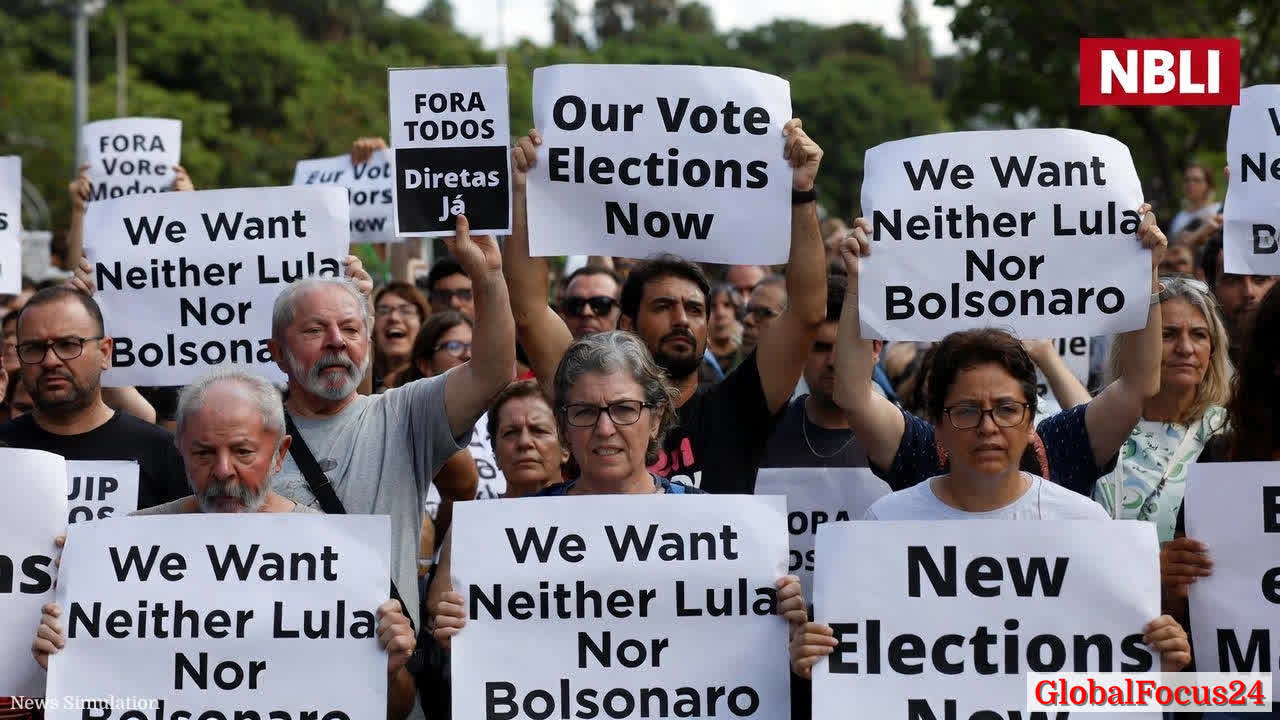
A rising chorus of dissatisfaction has emerged across Brazil, with a broad majority of citizens expressing discontent with both President Luiz Inácio Lula da Silva and former President Jair Bolsonaro. A December 31, 2025, report highlights a public sentiment that neither figure should appear on the October 2026 ballot, signaling a potential shift in the country’s political landscape and raising questions about how Brazil will navigate a critical transition period.
Historical context and the roots of discontent
Brazil’s political dynamic over the past decade has been shaped by two dominant narratives. Lula’s return to power in 2023 followed a decade marked by economic volatility and social upheaval, including the upheaval surrounding public protests and debates over social welfare programs, governance, and corruption investigations. Bolsonaro’s presidency, by contrast, triggered a polarization that blended staunch economic liberalization with a confrontational political style and controversial stances on environmental policy, public health measures, and media relations. The public’s current mood—dissatisfaction with both leaders—reflects a complex interplay of fatigue with established political personalities, concerns about economic performance, and anxieties over long-term policy direction in a rapidly changing regional and global environment.
Economists and analysts note that Brazil’s macroeconomic performance in recent years has been uneven. Growth has fluctuated with commodity prices, inflation challenges, and fiscal pressures. The public’s demand for credible, policy-focused leadership is matched by a call for greater transparency, stability in governance, and a roadmap for sustainable development. In this context, the potential exclusion of Lula from the race—whether through electoral rules, party strategy, or changing public opinion—could accelerate conversations about new leadership archetypes and reform-oriented platforms that resonate with a broad cross-section of society.
Economic impact and implications for policy direction
The electoral mood in Brazil carries substantial economic implications. Investors typically seek predictability in policy and governance, and a fragmentation of the political landscape could alter the regulatory and investment climate in the near term. A shift away from entrenched personalities may increase the emphasis on fiscal responsibility, structural reforms, and targeted social programs designed to bolster consumer confidence and domestic demand.
Brazil’s regional economy presents a mosaic of performance, with strong agricultural exports, robust mining activity, and growing services sectors in urban centers. Yet disparities persist between industrial hubs and rural regions, highlighting the importance of policies that support job creation, productivity, and innovation. Any broad move toward new leadership could encourage a reorientation of economic strategy—potentially prioritizing diversification, export competitiveness, and investment in infrastructure and technology.
Regional comparisons illustrate how neighboring economies handle political transitions and their effects on markets. In countries with similar demographic profiles and economic bases, voters have shown a preference for leadership that emphasizes technocratic competence and consistent rule of law, particularly in times of global uncertainty. Brazil’s regional peers in Latin America have demonstrated mixed results when political dynamics shift; some have benefited from policy predictability and external investment, while others faced volatility during leadership transitions. The Brazilian electorate’s current stance could influence regional economic sentiment, impacting trade relationships, currency stability, and cross-border investment flows.
Public opinion, public reaction, and the civic landscape
Public reaction to the survey findings underscores a broader conversation about political renewal and accountability. In major urban centers, voters have voiced demand for candidates who can deliver concrete results—economic resilience, improvements in public services, and transparent governance—without the baggage of entrenched political rivalries. In smaller cities and rural regions, the priorities often include agricultural policy, infrastructure development, and access to affordable credit, all of which require pragmatic, implementable platforms.
Media coverage and civil society groups have played a pivotal role in shaping the discourse surrounding the upcoming elections. Fact-based analysis, watchdog reporting, and public forums have helped elevate issues such as corruption risk management, governance quality, and the capacity of state institutions to respond to crises. While political commentary remains a fixture in national dialogue, observers emphasize the value of evidence-driven policy proposals and cross-partisan collaboration to address shared challenges, from economic stabilization to public health resilience.
Policy directions that could appeal to a broad electorate
In the absence of a single dominant figure, several policy themes emerge as potential anchors for a wide-ranging platform:
- Economic resilience and growth: Emphasizing diversified growth, productivity enhancements, export competitiveness, and prudent fiscal management to foster job creation and wage growth.
- Social inclusion and opportunity: Expanding access to education, healthcare, and affordable housing, while ensuring that social programs are sustainable and targeted to those most in need.
- Governance and accountability: Strengthening institutions, reducing bureaucratic delays, and increasing transparency to build public trust.
- Infrastructure and innovation: Prioritizing infrastructure upgrades, digital connectivity, and investment in science and technology to boost long-term competitiveness.
- Environmental stewardship and sustainable development: Balancing economic needs with conservation goals, agricultural productivity, and climate resilience, particularly in regions dependent on natural resources.
These themes reflect a broad, nonpartisan agenda that could appeal to voters seeking credible leadership capable of delivering tangible results without leaning into polarized rhetoric. The challenge for any emerging political force will be to present concrete policies, a clear timeline, and measurable benchmarks that can be independently verified.
Implications for regional collaboration and global engagement
Brazil’s role on the regional and global stage is closely tied to its political stability and policy continuity. A transition era can affect regional alliances, trade agreements, and cooperation on issues such as climate change, public health, and security. Brazil’s neighbors and trade partners closely monitor electoral dynamics, as shifts in leadership can influence energy markets, commodity prices, and investment sentiment across Latin America.
Experts caution that sustained political uncertainty could temporarily constrain investment in sectors reliant on long-dated planning, such as infrastructure and large-scale manufacturing. Conversely, a credible, reform-oriented platform that gains broad consensus could unlock new rounds of investment, particularly in technology-driven industries, logistics networks, and agriculture-driven value chains. The region’s experience with varied governance models suggests that stability, transparency, and policy predictability tend to correlate with stronger economic performance over the medium term.
Public opinion data and the road ahead
Polling and survey data from late 2025 indicate that a significant portion of Brazilians feel dissatisfied with the status quo. While this sentiment does not automatically translate into a specific electoral outcome, it signals a demand for change and greater accountability. Political actors are likely to respond by refining their messages, forming alliances, and presenting clearer policy plans aimed at broad constituencies. In the months ahead, voters will weigh candidates based on demonstrations of competence, the feasibility of proposals, and the perceived integrity of leaders.
For regional observers, Brazil’s process offers a case study in how large, plural democracies navigate leadership transitions. The country’s constitutional framework, media environment, and civil society engagement provide a robust platform for public discourse, even as the political climate remains dynamic and, at times, tense. The outcome of the electoral cycle will have ripple effects across the hemisphere, influencing market expectations, policy debates, and the pace of regional integration.
Conclusion: A turning point with practical consequences
As Brazil approaches a pivotal electoral cycle, the public’s call for leadership beyond established figures reflects a deeper desire for renewal. The possibility that Lula’s name might be less central in the race, while Bolsonaro’s fate remains uncertain, points to a broader appetite for fresh ideas, credible governance, and pragmatic policy solutions. The coming months are likely to feature intense political campaigning, coalition-building, and a focus on substantive policy platforms that can withstand market scrutiny and public scrutiny alike.
The historical thread connecting Brazil’s recent political history to its current moment underscores how leadership transitions can shape economic trajectories and regional dynamics. A successful transition will hinge on clear policy articulations, transparent governance, and the capacity to translate public sentiment into practical outcomes. As the electorate weighs competing visions, Brazil’s institutions—economic, political, and civil—face the test of delivering stability, opportunity, and resilience in a complex, interconnected world.