Federal Drug Trafficking Charges Hit Ohio Candidacy Circle as Authorities Seize Large Quantities of Fentanyl and Methamphetamine
A high-profile case involving a bodyguard for a leading Ohio gubernatorial candidate has culminated in federal charges related to drug trafficking, highlighting the ongoing challenges of illicit substances crossing state lines and the complexity of security details surrounding political campaigns. The arrest, made December 30 after a federal search warrant was executed at a residence shared by the bodyguard and his wife, underscores the reach of federal enforcement efforts and raises questions about public safety, campaign security, and the local economy affected by drug distribution networks.
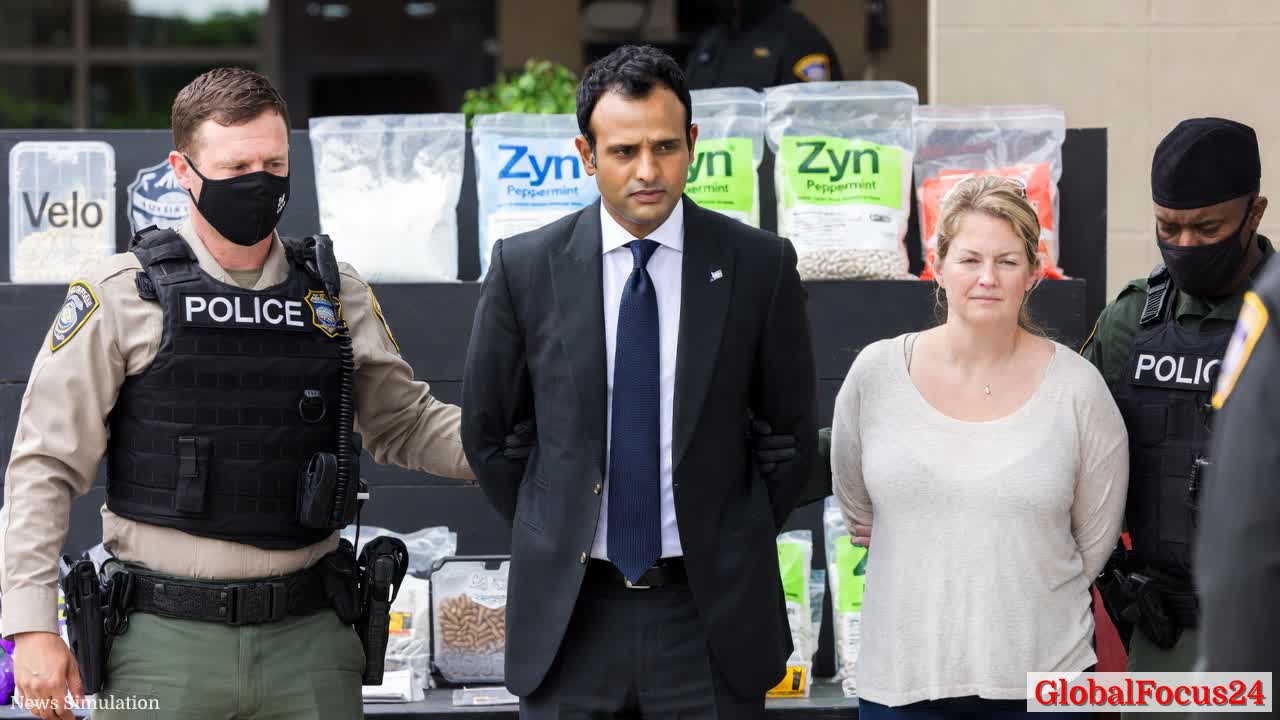
Context and timeline The incident unfolds at a moment when state and local authorities have been intensifying efforts to disrupt drug trafficking channels that originate in other regions and routes across Ohio. The operation initiated with a warrant served by federal agents who said they recovered substantial quantities of controlled substances during the search. The suspects—Justin Salsburey, 43, and his wife, Ruthann Rankin—face multiple charges, including conspiracy to distribute or possess with intent to distribute quantities of fentanyl and methamphetamine totaling 40 grams or more, along with possession with intent to distribute fentanyl and methamphetamine. Prosecutors indicate that the seized substances include fentanyl, methamphetamine, MDMA, steroids, and other suspected controlled substances, some concealed in containers that appear to be from consumer nicotine pouch brands.
When law enforcement releases details about a case, the information typically emphasizes the scale and method of concealment, as well as the potential risks to communities. In this instance, investigators reported that hundreds of grams of fentanyl and methamphetamine were found among a variety of packages and containers, with some items placed in common consumer packaging as a possible attempt to obscure origin or ownership. The presence of MDMA and steroids adds further complexity to the trafficking operation, suggesting a diversified portfolio of substances intended for distribution to multiple markets.
Historical context Ohio has long grappled with the public health toll of illicit fentanyl and other synthetic opioids. Over the past decade, the state has experienced waves of overdose mortality tied to fentanyl-laced counterfeit pills and illicitly manufactured stimulants. The broader Midwest has seen similar trends, driven in part by evolving trafficking patterns and increased online commerce that facilitates distribution across state lines. Law enforcement agencies historically rely on a combination of investigative techniques, including information from informants, postal inspections, and controlled deliveries, to disrupt networks before they scale. This case fits within a pattern in which individuals connected to security or logistics roles within political circles become entangled in criminal activity, sometimes as a result of personal circumstances, financial pressures, or opportunistic schemes.
Economic impact considerations The seizure and subsequent federal charges carry implications beyond criminal justice. Drug trafficking operations can influence local economies through disruption of legitimate commerce, increased healthcare and law enforcement costs, and shifts in neighborhood safety perceptions that may affect housing markets, small businesses, and workforce stability. In regions where drug activity intersects with a high-profile political environment, there can be ripple effects on security expenses for campaigns, venues, and allied events, as well as on public trust in political figures and their support infrastructure.
Regional comparisons Ohio’s neighboring states have reported parallel concerns about fentanyl and methamphetamine distribution networks, yet the handling of cases involving individuals linked to political campaigns remains relatively uncommon. In nearby Pennsylvania, for example, law enforcement emphasizes border controls and precursor regulation as tools to curb supply chains, while Michigan has invested in cross-border partnerships with Ontario to address narcotics trafficking. The current case highlights the transitory nature of trafficking routes across the Midwest and the role of proactive federal investigations in identifying larger patterns that may cross state borders and implicate various actors within campaign security ecosystems.
Security and governance considerations Campaign security is a critical concern for political organizations, particularly in high-profile races where security details work under intense scrutiny. While the present case concerns a private individual connected to a candidate’s security team, it amplifies the need for robust vetting, ongoing monitoring, and clear separation between personal conduct and professional responsibilities. Campaigns typically implement layered security measures, including background checks, ongoing integrity monitoring, and crisis response protocols, to mitigate risks to staff, volunteers, and the integrity of campaign operations.
Legal landscape and potential outcomes Federal charges related to drug trafficking often involve complex civil and criminal procedures, with potential penalties including substantial prison time, substantial fines, and post-conviction monitoring. The defendants have the right to legal representation and to challenge evidence and charges as the case proceeds through the courts. Beyond the immediate legal consequences, the case may influence public discourse about ethics, accountability, and the larger issue of how communities address substance abuse and related criminal activity.
Public health perspective From a public health standpoint, the incident reinforces ongoing concerns about the availability and distribution of potent synthetic opioids and other drugs. Community leaders and health officials may view such events as a reminder of the importance of prevention programs, access to treatment options, and education campaigns aimed at reducing demand and mitigating overdose risks. Local hospitals, clinics, and emergency responders often adjust preparedness plans in response to evolving drug trends, reinforcing the need for cross-sector collaboration to address addiction and recovery support systems.
Implications for local communities Residents in Ohio communities connected to the case may experience heightened anxiety and curiosity about campaign security and the broader safety landscape. Local law enforcement may bolster patrols and community outreach, while residents may seek clarity about what the investigation means for everyday life, including school safety and neighborhood stability. Public reaction in similar cases often ranges from concern about drug availability to calls for transparency around safeguarding measures employed by political teams and associated organizations.
Potential next steps As the investigation unfolds, prosecutors may file additional charges or seek to solidify existing counts through forensic analysis, witness testimony, and review of communications and shipping records. The case could prompt ongoing scrutiny of security protocols within political campaigns and related support networks. Community stakeholders may advocate for enhanced prevention and treatment resources to address underlying factors that contribute to illicit drug distribution and use.
Conclusion Federal drug trafficking offenses connected to a bodyguard linked to a political candidate have drawn attention to the broader dynamics of illicit drug networks and security considerations within the political sphere. The case serves as a reminder of the delicate balance between safeguarding public safety, upholding the integrity of campaign operations, and addressing the broader societal challenges posed by synthetic opioids and other controlled substances. As authorities continue to pursue leads and build a comprehensive view of the operation, communities and policymakers will watch closely for developments that may influence public safety strategies, regional enforcement collaborations, and the ongoing effort to reduce the availability and impact of dangerous drugs.