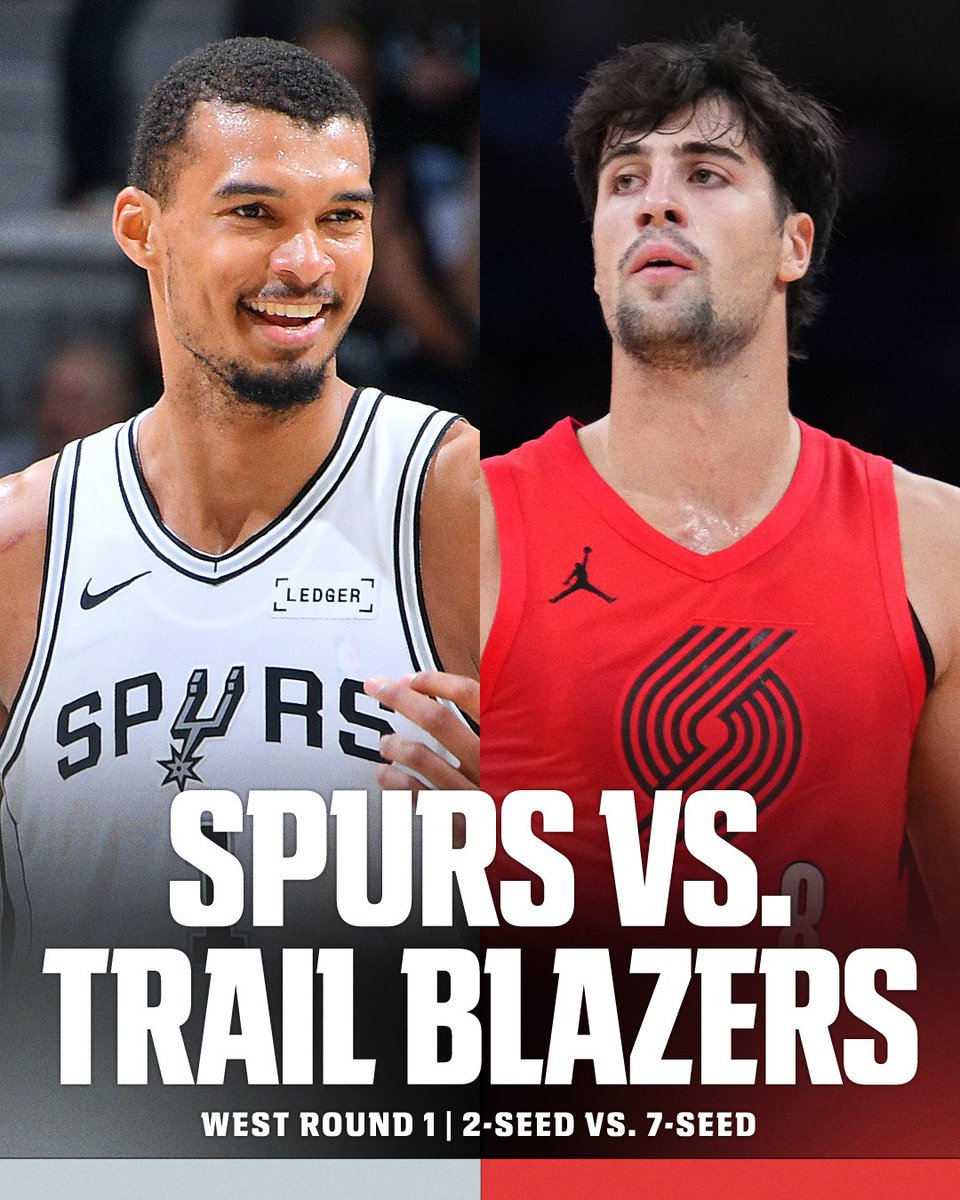
Portland Trail Blazers Secure No. 7 Seed After Play-In Victory Over Phoenix Suns
Blazers Triumph in High-Stakes Play-In Matchup
In a thrilling Western Conference play-in showdown on Wednesday night, the Portland Trail Blazers defeated the Phoenix Suns to secure the No. 7 seed in the 2026 NBA playoffs. The win propels Portland into a first-round matchup against the second-seeded San Antonio Spurs, setting the stage for a clash between one of the league’s most dynamic young squads and a disciplined Spurs team that has thrived under an impressive season of continuity and tactical precision.
The game, held at the Footprint Center in Phoenix, captured the intensity and unpredictability that has come to define the NBA’s play-in format. Portland surged late behind a combination of aggressive rebounding and clutch scoring, silencing a sold-out Suns crowd and confirming their rise from midseason inconsistency to postseason resilience.
From Midseason Struggles to Postseason Stability
The Blazers’ path to this moment has been far from straightforward. After a rocky start to the 2025–26 season marked by injuries and uneven defensive performances, Portland rallied in the final weeks of the regular season, winning seven of their last ten games to secure a play-in berth. This momentum culminated in Wednesday night’s decisive victory over Phoenix, a team that entered the season with championship expectations but struggled to find cohesion amid roster changes and injuries.
Portland’s transformation has stemmed from two key factors: the emergence of its younger talent and the leadership steadiness of its veteran core. Guard play has been critical, with a balanced scoring attack complemented by improved ball movement and transition efficiency. Analysts have pointed to Portland’s offensive flexibility — mixing perimeter spacing with drive-and-kick play — as central to their resurgence.
A Historic Rivalry Rekindled Against San Antonio
The Trail Blazers now turn their attention to the San Antonio Spurs, an opponent with deep postseason heritage and a new-age roster built around tempo control and disciplined execution. The matchup revives a historical Western Conference rivalry marked by contrasting philosophies — Portland’s fluid, improvisational approach versus San Antonio’s precise systems-based basketball.
Historically, these two franchises have intersected at pivotal moments in Western Conference lore. From the Blazers’ early playoff runs during the Clyde Drexler era to the Spurs’ dominance under coach Gregg Popovich throughout the 2000s and 2010s, their encounters have often reflected broader shifts in how basketball is played in the region. This year’s meeting adds another chapter to that legacy, offering a glimpse at how each organization has adapted to the modern NBA’s relentless pace and strategic depth.
Economic and Regional Impact of Portland’s Postseason Run
Beyond the court, Portland’s playoff qualification carries meaningful economic weight for the city and surrounding region. Local businesses, particularly those in Portland’s downtown entertainment corridor, anticipate a surge in activity during the home playoff stretch. According to regional economic analysts, home playoff games can generate millions in direct revenues through ticket sales, hotel bookings, and consumer spending, reinforcing the team’s importance as an economic engine.
This effect resonates across the Pacific Northwest, where professional basketball holds deep cultural significance. After several years of fluctuating performance and roster turnover, the Blazers’ return to postseason relevance has rekindled a sense of civic pride. Merchandising sales have spiked in recent weeks, and fan engagement metrics on social platforms have doubled compared to last season. Local tourism boards have also highlighted the playoffs as an opportunity to showcase Portland’s revitalized downtown district and collaborative urban renewal projects.
Comparing Western Conference Dynamics
The Western Conference in 2026 has evolved into one of the tightest competitive landscapes in recent memory. The emergence of new contenders such as the Oklahoma City Thunder and Sacramento Kings has compressed the margins between seeds, while established powers like the Denver Nuggets and Los Angeles Lakers continue to command attention. Portland’s success in navigating this crowded field underscores the increasing parity of the league and the unpredictability of postseason outcomes.
Regionally, the Blazers’ rise parallels economic and cultural momentum across the Pacific Northwest. The team’s organizational approach — emphasizing player development and long-term resilience over-grabbing trades — distinguishes it from larger-market rivals in Los Angeles and Phoenix. This blueprint, rooted in sustainable growth, mirrors trends in other Portland industries such as tech innovation and green manufacturing, deepening the franchise’s symbolic link to the city’s broader identity.
The Suns’ Disappointing Exit and Future Outlook
For Phoenix, Wednesday’s defeat represents a bitter conclusion to a season defined by high expectations. Despite strong individual performances throughout the year, the Suns struggled to translate talent into chemistry. Their offensive cohesion unraveled in the second half of the play-in game, as Portland’s defensive intensity closed passing lanes and disrupted rhythm shooting.
Historically, Phoenix has been a model of explosive offense, from the “Seven Seconds or Less” era under Mike D’Antoni to their 2021 Finals run led by Devin Booker. Yet their recent struggles underscore the shifting dynamics of team-building in the Western Conference — emphasizing adaptability, depth, and sustained effort over star power alone. The franchise faces a crucial offseason as it reassesses its roster composition and coaching strategy heading into 2027.
Tactical Breakdown: Portland’s Edge
Analysts credit Portland’s victory to decisive tactical execution. The Blazers controlled the glass, out-rebounding Phoenix in key moments while maintaining steady free-throw efficiency. Their defensive strategy — alternating between man coverage and hybrid zone sets — neutralized Phoenix’s perimeter scorers and forced contested midrange attempts. Offensively, Portland relied on pace variation, slowing the tempo when necessary to protect possessions and accelerate in transition when space opened.
The coaching staff’s in-game adjustments played an essential role. Portland adapted seamlessly to Phoenix’s defensive schemes, using off-ball screens and corner spacing to open lanes for late-game drives. This adaptability has been a hallmark of the Blazers’ second-half resurgence and will be pivotal as they prepare to face San Antonio, a team known for exploiting predictability in opposing offenses.
Looking Ahead: First Round Storylines
The opening-round series against the Spurs promises contrasting styles and considerable intrigue. San Antonio enters with a top-three defensive rating, leveraging positional discipline and deep rotation strength, while Portland thrives on momentum and offensive improvisation. If the Blazers can sustain perimeter accuracy and maintain their defensive composure, they could pose a formidable challenge to the methodical Spurs system.
For fans, this matchup serves as a renewal of Western Conference tradition — an echo of iconic duels between disciplined contenders and creative underdogs. Television viewership projections indicate heightened national interest, with strong ratings expected across streaming and broadcast platforms. League executives anticipate that Portland’s underdog narrative and fast-paced style could inject fresh excitement into the postseason’s opening week.
Broader Implications for the Western Playoff Picture
Portland’s advancement reshapes the Western bracket, setting up potential future clashes with elite teams like Denver and Minnesota. Their emergence symbolizes the increasing fluidity of conference power rankings, where rebuilding franchises can ascend quickly through strategic roster management and developmental continuity. This dynamic has raised questions about how traditional powerhouse teams will adapt in coming seasons as competitiveness deepens across the board.
Economically, the broader playoff field offers tangible benefits to host cities across the West. Sponsorship value, tourism influx, and hospitality demand continue to climb during postseason play, reinforcing the NBA’s role as a catalyst for regional vitality. Portland’s participation, in particular, amplifies the league’s presence in a mid-market city, highlighting basketball’s enduring reach beyond the traditional metropolitan giants.
Closing Outlook: Portland’s Moment of Renewal
As the 2026 playoffs begin, Portland’s victory over Phoenix stands as more than a single win — it marks a milestone of renewal for a franchise deeply intertwined with its city’s spirit. Fans leaving the Footprint Center carried both relief and optimism, knowing their team had rediscovered its rhythm at a critical juncture. The Blazers will now travel to San Antonio with their confidence restored and their playoff hopes alive, embodying the resilience that has long defined Portland basketball.
For a city that thrives on perseverance and creativity, the Trail Blazers’ playoff berth offers more than a sporting triumph. It signals a return to relevance, a revival of belief, and a reminder that in a league built on possibility, momentum can transform not just a season but an entire narrative.