Lululemon CEO Calvin McDonald to Step Down in January as Earnings Signal Transition and Growth Recalibration
Vancouver, Canada — Lululemon Athletica Inc. announced on Thursday that its chief executive, Calvin McDonald, will depart the company at the end of January after nearly seven years at the helm. The leadership transition coincides with the athletic apparel maker’s third-quarter earnings release, which delivered a steady revenue uptick amid a broader industry slowdown and mounting operating costs.
Economic snapshot and earnings context In the latest quarterly report, Lululemon reported net revenue of approximately $2.6 billion, up 7% year over year and above most analyst expectations. Despite the top-line beat, the company flagged a cooling rhythm in North American demand and highlighted higher inflationary pressures in logistics, manufacturing, and wholesale operations. These cost dynamics contributed to a tighter operating environment even as the brand maintained momentum in key growth engines, such as international markets and newer product categories.
For investors, the earnings release underscored a familiar tension in premium activewear: robust brand loyalty and pricing power offset by shifting consumer preferences, more cautious discretionary spending, and the cost of maintaining rapid global expansion. Lululemon’s results suggest a company navigating both macro headwinds and opportunities in markets where gym culture and wellness trends remain deeply embedded, even as competition intensifies.
Leadership transition and strategic implications Calvin McDonald joined Lululemon in 2018 as the company’s first CEO who was not a founder, steering a period of aggressive international expansion and product diversification. Under his leadership, Lululemon broadened beyond core yoga leggings into a wider array of performance wear, footwear collaborations, and omnichannel initiatives designed to deepen customer engagement across regions.
The board cited a desire for fresh leadership to steer through ongoing market pressures and to accelerate strategic initiatives in a rapidly evolving retail landscape. While McDonald’s departure marks the end of a notable chapter, the interim leadership arrangement ensures continuity. Chief Financial Officer Meghan Frank and Chief Brand Officer André Maestrini will co-lead the executive team as the search for a permanent successor unfolds.
Historical context: growth trajectory and market positioning Lululemon’s rise over the past decade has been characterized by a blend of premium branding, disciplined store expansion, and a commitment to product innovation. The company capitalized on the global wellness wave, setting itself apart with high-quality fabrics, performance features, and a strong lifestyle narrative. This positioning supported steady profitability even as market competition intensified from brands spanning athletic footwear, luxury activewear, and athleisure newcomers.
Regional comparisons illustrate divergent growth patterns. In North America, which historically accounted for the majority of sales, consumer demand has shown resilience but has become more price- and promotions-sensitive as inflation affects discretionary spending. In contrast, international markets — particularly in Asia-Pacific and Europe — have offered exciting growth avenues as brand awareness expands and e-commerce penetration increases. The leadership transition thus arrives at a moment when balancing regional investment with efficiency will be crucial.
Operational highlights and cost considerations The company’s commentary on costs reflects the broader retail environment: intensifying competition, supply chain volatility, and rising logistics expenses. As Lululemon expands its product lines and distribution footprint, operational efficiency will be a focal point for the new leadership, alongside sustaining brand equity and customer experience. The earnings report’s mixed signals—healthy revenue growth paired with cautions about external costs—underline the delicate balancing act facing premium apparel retailers.
Innovation and product strategy in a shifting market Lululemon has emphasized product diversification as a pillar of its strategy. Beyond core staples, the company has explored new categories and collaborations, aiming to attract a broader audience without diluting the premium brand promise. The transition in CEO leadership may affect the pace and emphasis of these innovations, including potential accelerations in omnichannel integrations, digital experiences, and selective partnerships designed to expand market reach while preserving high-margin products.
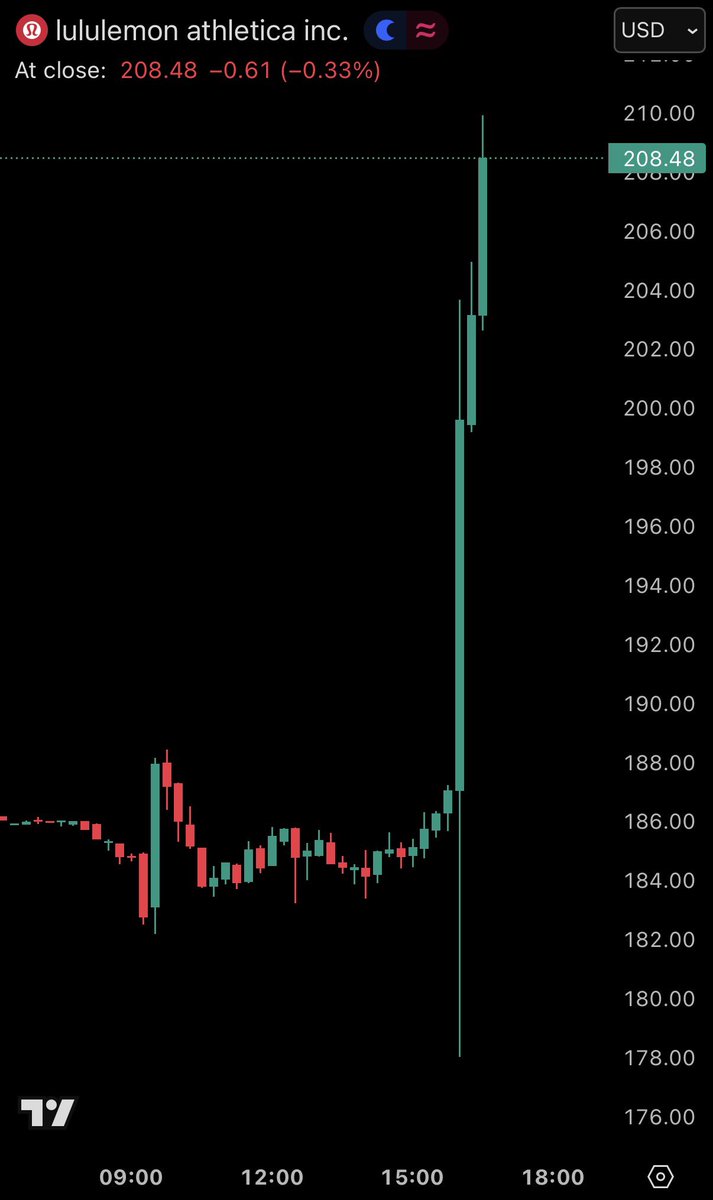
Public reaction and investor sentiment In after-hours trading, Lululemon’s shares rose by more than 12%, reflecting optimism about potential strategic shifts under new leadership and continued confidence in the brand’s long-term trajectory. The stock’s movement indicates that investors are weighing the implications of leadership change against the company’s ability to sustain growth, manage costs, and deliver steady earnings in a competitive landscape.
Background on leadership and governance Calvin McDonald’s tenure as the first non-founder CEO marked a transitional era for Lululemon. The board’s decision to pursue a leadership change suggests a strategic recalibration rather than a retreat from growth ambitions. The interim leadership arrangement—co-led by the CFO and the Chief Brand Officer—helps preserve strategic momentum, maintain investor confidence, and buy time to execute a thorough succession process.
Macro context: tariffs, trade dynamics, and economic uncertainty The company reiterated its full-year outlook but cautioned about potential impacts from proposed tariffs and broader economic uncertainty. Tariff developments and currency fluctuations can affect input costs, pricing strategies, and supply chain decisions, particularly for a company with an extensive global footprint. Stakeholders will be watching how the new leadership approaches risk management, supplier diversification, and regional cost optimization.
Community and cultural resonance Lululemon’s brand has long resonated with consumers seeking performance wear coupled with a lifestyle aesthetic. The leadership change arrives amid ongoing public interest in workplace culture, corporate governance, and the alignment of growth ambitions with social and environmental commitments. While the news is primarily corporate, the public reaction often reflects broader sentiments about consistency, trust, and the pace of innovation in premium retail.
Comparisons with peers Within the premium activewear segment, several peers have pursued aggressive international expansion, direct-to-consumer acceleration, and margin-focused strategies. Lululemon’s approach to balancing growth with profitability places it in a shared trajectory with others who emphasize brand integrity and customer experience as guardrails against commoditization. Stakeholders will likely compare the new leadership’s track record with peers, particularly in areas like supply chain resilience, digital transformation, and international retail performance.
Outlook for 2025 and beyond Looking ahead, analysts anticipate that the transition phase will test the company’s ability to sustain momentum in a market characterized by high consumer expectations and evolving shopping patterns. Key variables will include: the effectiveness of the internal succession plan, the agility of product development to respond to tastes and trends, and the company’s capacity to optimize costs without compromising quality or brand prestige. The broader context of consumer sentiment, inflation, and discretionary spend will continue to shape the near-to-medium-term trajectory.
Conclusion: a pivotal moment for a premium brand As Lululemon navigates this leadership transition, the focus for stakeholders remains clear: preserve the core strengths that have driven brand loyalty and price resilience while embracing strategic shifts that can unlock new growth vectors. The coming months will reveal how the company’s new direction, under interim leadership, translates into tangible gains in revenue, profitability, and market share across regions. In a market where consumer preferences can shift rapidly, Lululemon’s ability to maintain cohesiveness between its product philosophy, customer experience, and operational execution will determine its performance in the next chapter of its corporate journey.