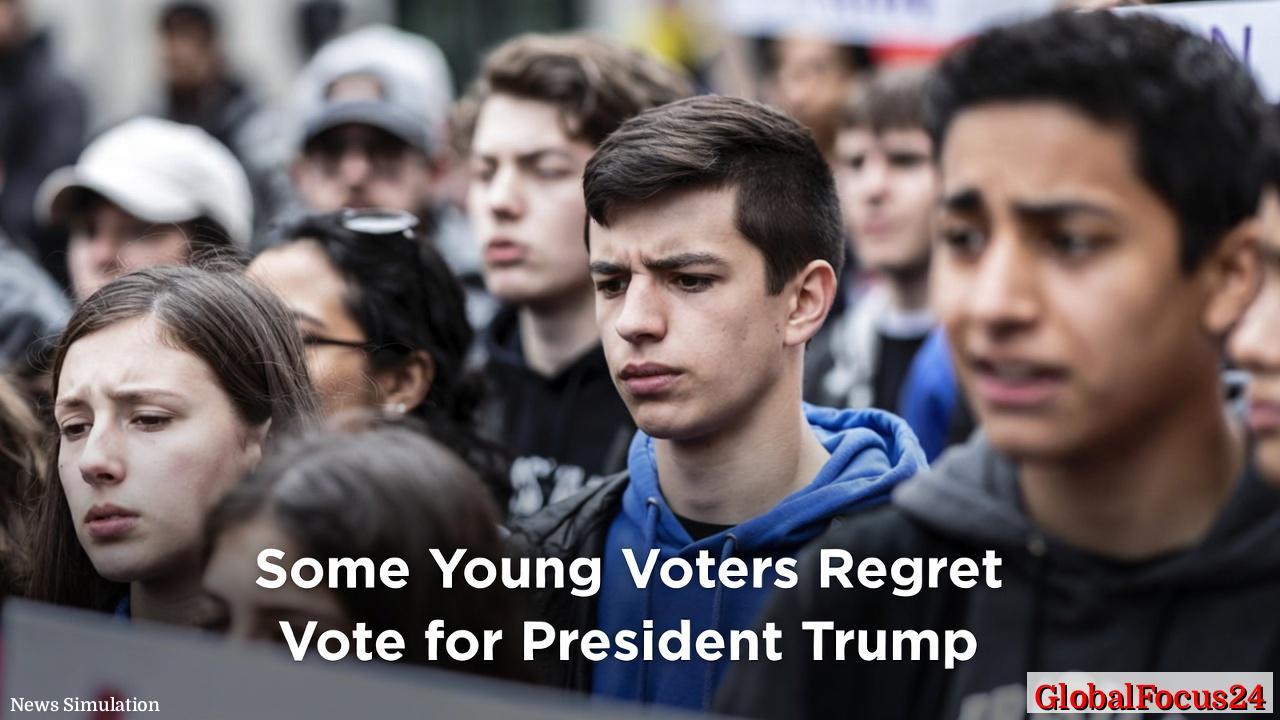
)Young Voters Weigh Regret as National Rhetoric Shifts and Economic Realities Shape Attitudes
In the wake of a volatile political landscape and a rapidly changing economy, a growing segment of younger voters is reassessing the impact of their choices at the ballot box. Across campuses, town halls, and social forums, many under 30 are expressing concern about the long-term implications of leadership decisions and policy direction at the national level. This evolving sentiment is shaping public discourse as communities seek clarity on issues that affect jobs, housing, and the future of public services.
Historical context and the arc of voter sentiment
- The political engagement of younger generations has historically been a bellwether for broader national trends. While turnout has varied across cycles, youth opinion often foreshadows shifts in policy emphasis and party alignment as graduates enter the workforce and establish households. This pattern underscores why campaigns and policymakers pay close attention to the concerns and preferences of younger voters as they chart the country’s course. The broader historical pattern helps explain why changing attitudes among youth can signal a recalibration of priorities at the national level.
- Economic cycles have long influenced how new voters view leadership. Periods of rising costs, housing instability, and wage stagnation can heighten skepticism toward broad promises and prioritize policies that deliver tangible, near-term benefits. In this context, the current mood among younger constituents reflects a desire for concrete progress on issues like affordable housing, student debt, and access to good jobs with upward mobility. Such factors historically shape the durability of political coalitions as citizens balance hopes for change with practical concerns.
- Regional dynamics contribute to how young voters interpret the performance of national leadership. In tech hubs and innovation corridors, where labor markets reward specialized skills, a mixed economy—featuring both vigorous entrepreneurship and regulatory oversight—can create a sense of urgency about policy certainty and investment. Conversely, in regions with broader cost-of-living pressures, the emphasis on affordability and housing stability often dominates political conversations. These regional distinctions help explain why attitudes toward national leadership vary across the country and within states.
Economic implications and policy currents
- Employment patterns and wage growth are central to the sentiment of young voters. When graduates enter the job market, salary trajectories and benefits influence perceptions of whether federal policy supports opportunity or stagnates it. A favorable economic environment that rewards productivity while safeguarding opportunity can stabilize support for incumbents or governing coalitions, whereas persistent cost pressures can erode confidence in leadership. The linkage between macroeconomic health and youthful political views remains a defining feature of contemporary electoral dynamics.
- Student debt and higher education policy continue to be focal points for younger voters. In many communities, the fiscal burden of education shapes decisions about where to live, work, and start families. Debates over loan forgiveness, interest rates, and funding for public universities reflect broader questions about social mobility and the role of government in reducing financial barriers to opportunity. This policy area frequently drives turnout among educated, early-career segments of the electorate and can influence party alignment over time.
- Housing affordability and urban/rural housing markets frame a critical portion of the conversation. In tech-forward regions with high housing costs, young residents often prioritize policies that expand housing supply, streamline zoning, and encourage private investment with targeted safeguards. In more affordable areas, the focus may shift toward maintaining affordability while expanding access to quality public services. The divergent regional housing needs illustrate how national policy must balance local realities to sustain broad-based support among younger voters.
Regional comparisons and urban-rural perspectives
- Coastal tech ecosystems vs. inland manufacturing belts offer contrasting experiences of policy impact. Coastal regions tend to orbit around innovation-driven growth but face persistent affordability challenges that test political patience. Inland regions with evolving industries may stress infrastructure investment and workforce development as keys to competitiveness. These contrasts illuminate why younger voters in different regions may prioritize different policy packages, even within a single national political framework.
- Metropolitan centers experience a different tempo of change than smaller communities. City dwellers often respond to policies aimed at mass transit, housing density, and climate resilience, while rural and suburban residents may seek relief through infrastructure spending and affordable energy costs. The diversity of urban and rural perspectives among young voters underscores the need for inclusive, evidence-based policy designs that address both sets of priorities.
- The role of state and local leadership in shaping national perception is increasingly pronounced. When regional leaders demonstrate competence in delivering targeted economic gains, they contribute to a constructive narrative about what is possible at the national level. Conversely, visible missteps can amplify doubts about the federal government's ability to meet ambitious reform goals. The interplay between local success stories and federal policy discussions helps explain fluctuations in youth sentiment over time.
Public reaction and media landscape
- Social media and digital communities magnify the immediacy of political messaging for younger audiences. Rapid-fire commentary, memes, and short-form analysis accelerate the diffusion of viewpoints and can influence perceived legitimacy of national leadership. This environment makes clear communication from leaders and credible institutions essential to maintaining trust among young constituents.
- News cycles and policy announcements affect the tempo of public reaction. When federal initiatives address student debt, housing, or job creation, youth engagement levels can surge, driving both support and critique. The responsiveness of policymakers to young voters' concerns often determines whether momentum is sustained or wanes between election cycles.
- Public demonstrations and organized advocacy reflect a growing expectation of accountability. Youth-led movements frequently prioritize transparency and tangible outcomes, pushing for measurable progress in key areas. The resulting public discourse emphasizes the need for policy clarity, long-term planning, and collaborative governance that can adapt to evolving economic realities.
Implications for future elections and policy design
- The evolving stance of younger voters suggests that policy clarity and credibility will be decisive in future electoral contests. As young people weigh candidates' records, proposals that demonstrate concrete, costed plans to address housing, debt, and employment are likely to resonate more deeply. Politicians who provide transparent, data-driven frameworks for reform may win sustained support across diverse regions.
- Economic resilience and stability appear poised to influence outcomes beyond single issues. Voters increasingly seek policies that combine growth with social protection, recognizing that a sturdy economic foundation supports broader societal goals. Programs that deliver measurable improvements, such as reduced debt burdens and affordable housing options, can broaden appeal among younger demographics.
- The importance of regional adaptability remains critical. Policymakers who tailor national strategies to local conditions—recognizing differences in housing markets, labor demand, and cost of living—are better positioned to maintain broad-based assent. This approach reinforces the idea that effective national leadership must be enough to meet local needs without sacrificing long-term vision.
Conclusion
- As the political landscape continues to evolve, the perspectives of younger voters will remain a crucial barometer for the direction of national policy. The balance between economic opportunity, affordability, and accessible public services will shape not only votes but broader public expectations for governance. The ongoing dialogue among communities, policymakers, and researchers will determine how policy choices translate into real-world outcomes for millions of households across the country.