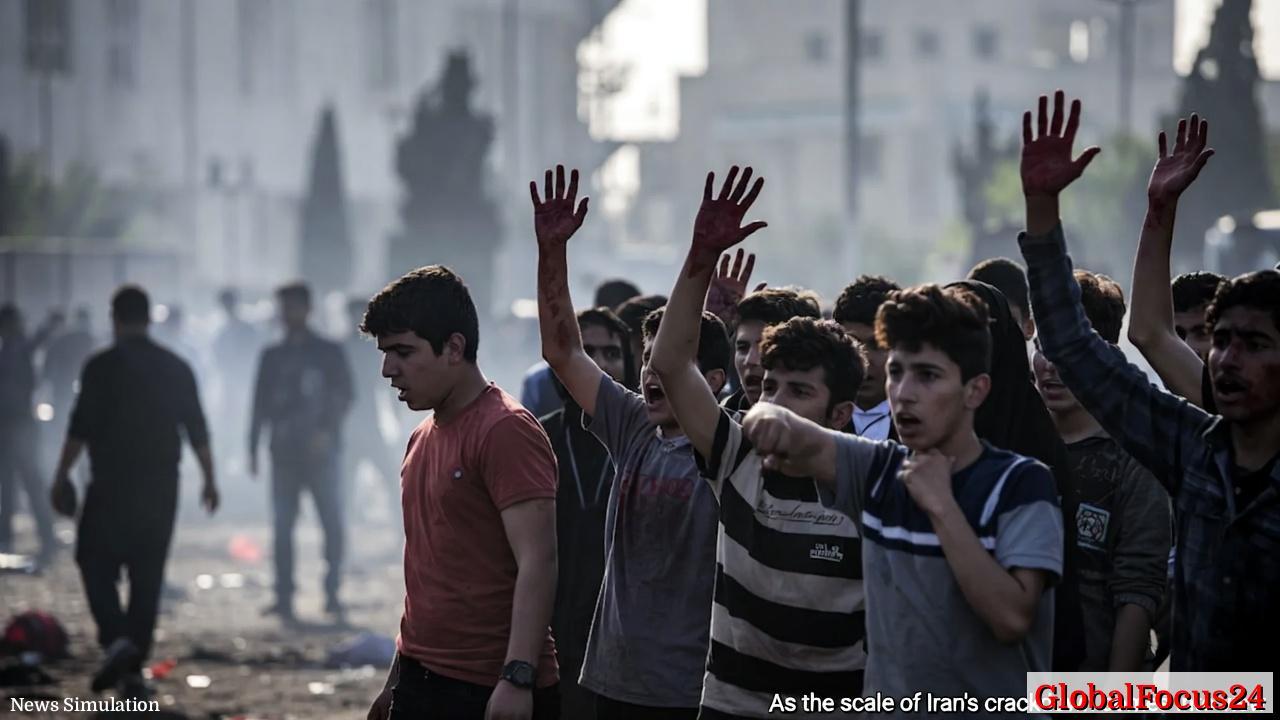
)Iran’s Crackdown Expands to Teen Toll as Protests Surge Across Cities
The latest wave of nationwide protests has intensified scrutiny of Iran’s security response, as the regime’s crackdown continues to claim young lives and ignite broader regional comparisons about civil unrest, human rights, and state power. This article examines the historical roots of the current protests, the economic and social consequences of the crackdown, and how neighboring regions are responding to similar pressures, presenting a measured, nonpartisan overview for readers seeking context and clarity.
Historical backdrop and origins of the protests
- The current protests reflect a longer arc of social and political tension in Iran that stretches back decades, with episodes of dissent rising in moments of economic strain, political stagnation, and perceived threats to personal freedoms. Understanding this history helps explain why demonstrations have persisted despite heavy security measures. The violence and suppression reported in recent weeks echo patterns seen in past periods when grievances—economic hardship, political constraints, and restrictions on cultural and social expression—reached a tipping point. This historical lens is essential for readers seeking to grasp not just what is happening, but how such dynamics have evolved over time.
- Youth participation has been a defining feature of many waves of Iranian dissent, as younger generations increasingly connect local experiences with broader national and global conversations about rights, governance, and accountability. The demographics of protest—teenagers and young adults among those affected—highlight the personal stakes of policy choices and the enduring demand for a voice in shaping the future. This context helps explain why the current episodes have resonated deeply across urban and rural communities alike.
Economic context and impact
- Iran’s economy has faced a multi-year trajectory of sanctions, inflationary pressures, and structural challenges that compound domestic discontent. Economic hardship often translates into heightened sensitivity to governance and security measures, influencing both turnout for protests and the public’s assessment of state responses. In such environments, even incremental shifts in policy or enforcement can induce broader social and political repercussions, including shifts in consumer behavior, investment sentiment, and urban-rural disparities.
- The crackdown itself carries economic consequences beyond immediate civil costs. Suppression, foreign investment hesitancy, and heightened security expenditures can constrain public services and development projects, potentially slowing recovery efforts in key sectors. For observers, tracking collateral effects—employment trends, consumer confidence, and regional price variations—offers a fuller picture of how political instability translates into tangible economic outcomes.
Regional comparisons and implications
- Across the broader Middle East and surrounding regions, episodes of protests and government responses have varied in scale, duration, and international reaction. Comparing Iran’s approach to responses in neighboring countries with similar governance structures or economic pressures can illuminate how different policy choices shape public sentiment, media coverage, and diplomatic engagement. While each country operates within its own legal framework and cultural context, common threads—such as the role of youth, the impact of economic stress, and the balance between security and civil liberties—emerge in multiple cases.
- Regional observers also consider how sanctions regimes, energy markets, and global supply chains influence the scale and frequency of protests. In energy-rich economies facing external pressure, fluctuations in energy prices and export revenues can amplify domestic grievances or, conversely, provide temporary fiscal room for policy concessions. Such dynamics underscore the interconnectedness of Iran’s internal situation with broader regional and global economic currents.
Public reaction and humanitarian considerations
- Public reaction to the crackdown has been varied, with many communities expressing concern for safety and a desire for peaceful resolution, while others emphasize the urgency of protecting civil liberties and ensuring due process. The unpredictability of enforcement actions during large-scale protests contributes to a climate of anxiety in affected cities and neighborhoods, prompting calls from civil society groups for transparency, accountability, and independent investigations. In this environment, credible reporting and verified information become crucial for forming an accurate picture of events and consequences.
- Humanitarian implications extend beyond immediate casualties. Reports from affected areas increasingly highlight concerns about access to medical care, family separations, and the psychological toll on students, teachers, and local workers who observe or participate in demonstrations. As with any sustained social upheaval, the long-term effects on public trust, community resilience, and social cohesion depend on how authorities and communities address grievances, provide protective channels for rights, and support affected families.
Geopolitical context and international dimensions
- The international response to Iran’s domestic actions has evolved with shifting geopolitical dynamics, including considerations of regional security, human rights norms, and diplomatic engagement. While domestic events dominates, outside observers and policymakers weigh how actions at home may influence bilateral relations, sanctions policy, and regional stability. For readers seeking a global perspective, understanding these external factors helps in assessing potential repercussions for trade, investment, and cross-border cooperation in areas such as energy, technology, and culture.
- Media coverage and information flows play a critical role in shaping international perception and policy decisions. In an era of rapid dissemination, verified reporting, contextual analysis, and responsible framing are essential to avoid misinterpretation or sensationalism. This underscores the importance of credible sources and cross-checking claims, particularly in fast-moving situations where the risk of misinformation is heightened.
Regional implications for Santa Clara, California, and the United States
- While distant in geography, developments in Iran can influence global markets, technology transfer, and international diplomacy, which in turn affect consumers and businesses in Santa Clara and Silicon Valley. Fluctuations in global energy prices, supply chain stability, and international policy alignments can have knock-on effects on local industries, including tech firms and manufacturing partners. Observers in the region may watch for shifts in geopolitical risk assessments, sanctions-related compliance requirements, and international collaborations that could shape investment and employment in the area.
- The narrative around civil rights and state power in Iran also resonates with audiences in the United States and other democracies that grapple with balancing security and civil liberties. Public discourse around accountability, transparency, and human rights can influence domestic policy debates and inspire solidarity or analytical scrutiny across communities. In Santa Clara, where a diverse population and a strong technology sector intersect, conversations about governance, governance reforms, and humanitarian considerations often reflect broader global themes while remaining grounded in local experiences.
What this means for readers and communities
- For general readers, the ongoing situation underscores the enduring complexity of balancing national sovereignty, security, and universal rights in the context of mass social movements. Clear, fact-based reporting helps audiences understand not only what is happening, but why it matters for regional stability, economic health, and human welfare. As events unfold, staying informed through credible, corroborated sources remains essential.
- For policymakers, journalists, educators, and community leaders, the situation offers a lens into how economic pressures, demographic shifts, and governance choices interact to shape public response. Transparent communication, protection of civic space, and channels for peaceful dialogue are key themes that emerge from this context, reinforcing the need for cautious, humane, and evidence-based approaches to crisis management and reform discussions.
Illustrative context and human dimensions
- The human dimension of demonstrations—participants, families, and communities affected by crackdowns—remains at the center of the narrative. While numbers ands capture the scale, qualitative reporting about personal stories, local histories, and everyday resilience provides a richer account of what is at stake for ordinary people. By weaving individual experiences with national trends, coverage can convey both immediacy and longevity, helping readers understand how upheaval shapes daily life and long-term perspectives.
- Historical context remains a valuable tool for interpreting current events. By situating today’s protests within a continuum of social movements, repressive responses, and economic cycles, observers can better anticipate potential turning points, including policy concessions, reforms, or shifts in public sentiment. In doing so, reporting that honors accuracy and nuance contributes to informed public dialogue rather than sensationalist narratives.
Conclusion
- The ongoing crackdown and expanding list of casualties among teenagers and young people highlight the human cost of confrontations over rights, governance, and economic pressures. While the specifics of policy and enforcement differ across contexts, the broader patterns—youth-led advocacy, economic stress, and calls for transparency—are deeply intertwined with regional and global dynamics. For readers seeking clarity, a careful synthesis of historical background, economic implications, and regional comparisons provides a grounded, comprehensive view of a complex, evolving situation.