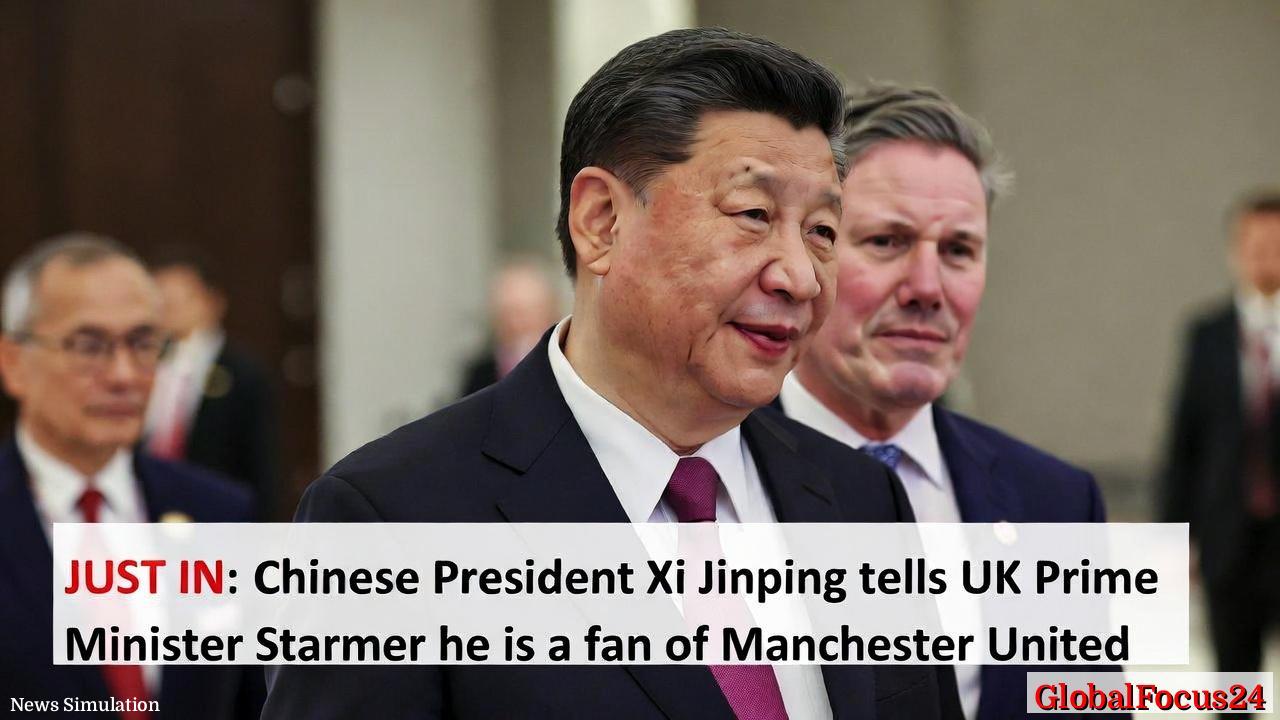
Xi Jinping’s Manchester United Moment: Global Signals from a Football Club
Across continents and markets, a simple football club story can reverberate with economic and diplomatic undertones. In a recent high-profile exchange, Chinese President Xi Jinping expressed admiration for Manchester United, a detail that may seem trivial to some, yet it sits at an intriguing intersection of soft power, global branding, and regional economic currents. This article examines the broader implications, placing the anecdote in historical context, tracing economic reverberations, and drawing regional comparisons to illuminate how sport, culture, and diplomacy often travel together in the modern era.
Historical Context: Sports as Soft Power and Brand Currency
Sport has long served as a platform for soft power, a non-coercive tool nations use to project influence, foster goodwill, and shape international narratives. From the Olympics to global football leagues, athletic icons and club brands function as cultural bridges, conveying values, signaling openness to global markets, and creating shared experiences that endure beyond geopolitical frictions. Manchester United, one of the world’s most recognizable football brands, has built a global fanbase through sustained success, strategic marketing, and a storied history that blends sport, commerce, and culture. The club’s name alone evokes decades of domestic triumph, European campaigns, and a consumer ecosystem that includes apparel, media rights, and licensed merchandise. When a world leader publicly identifies as a fan of such a club, the moment becomes more than a personal interest; it becomes a narrative thread in diplomacy and international commerce.
Economic Impact: Brand Equity and Market Synergies
Manchester United’s brand equity extends beyond the pitch. It encompasses global sponsorship networks, streaming and media rights, stadium tourism, and a robust retail footprint. For any country seeking to leverage cultural capital, aligning with a globally recognized club can offer tangible channels for foreign engagement. In the case of China, a country with a vast consumer market and a growing appetite for premium international brands, association with Manchester United can contribute to a broader perception of openness to Western entertainment and sport. This perception, in turn, can influence consumer confidence, tourism interest, and even investment sentiment in related industries such as sports marketing, hospitality, and retail.
The economic dynamics here are twofold. First, the club’s commercial ecosystem benefits from expanded visibility in large markets. Second, public sentiment and media narratives surrounding a club’s international brand can affect sponsorship landscapes and licensing opportunities across regions. While a single public comment from a head of state is not a direct economic lever, it can contribute to a favorable environment for brand partnerships, joint ventures, and cultural exchanges that align with a country’s broader economic goals.
Regional Comparisons: Football as a Gatekeeper to Global Markets
Looking at other regions offers useful context. In Europe, football clubs function as microcosms of regional economies, connecting local fans with global sponsors, media networks, and tourism flows. In North America, major clubs and leagues increasingly operate with global rosters of investors, players, and partners, illustrating how sport acts as a universal language for market integration. In Asia, interest in European football has surged as a strategic conduit for brand exposure and soft power expansion, with leagues and clubs actively courting partnerships in technology, fashion, and entertainment sectors.
China’s sports business landscape presents its own distinctive features. The country has invested heavily in domestic leagues, infrastructure, and youth development while simultaneously seeking to expand its cultural footprint abroad. Partnerships with established global brands—ranging from apparel to digital media—can reinforce a narrative of international collaboration and consumer-led growth. A contemporary observer would note that such narratives align with broader economic strategies: diversifying consumer engagement, expanding cross-border tourism, and fostering reputational capital that supports trade and investment flows.
Contextualizing the moment: Manchester United in a Global Portfolio
To understand the potential implications, it helps to view Manchester United as part of a broader portfolio of global cultural assets. The club’s distinctive identity—heritage, competition pedigree, and a multinational supporter base—serves as a versatile platform for collaborations that span licensing, digital content, live experiences, and philanthropic initiatives. In markets where there is high interest in English football and Western sports culture, the club’s brand acts as a lighthouse, guiding consumer attention toward associated products and experiences. When a head of state signals affinity for such a brand, the moment can reinforce a narrative of cultural reciprocity, one that bolsters soft power without prescribing political outcomes.
Public Reception: Cultural Resonance and Shared Experience
Public reaction to a leader’s fan status can be nuanced. Sports fandom is deeply personal, but the public often reads the sentiment as a signal of openness or alignment with a foreign culture. For Manchester United fans worldwide, a leader’s endorsement or affection for the club—especially from a country with substantial market influence—can heighten the sense of connection between fans and the club's global brand. At the same time, observers may weigh the broader geopolitical backdrop, recognizing that sports affiliations are one piece of a larger mosaic that includes trade, technology, and diplomatic dialogue.
Business Strategy and Market Signals
From a strategic standpoint, brands and corporations operating in or with China may monitor such signals for market intelligence. A positive cultural cue can influence sponsorship negotiations, collaboration opportunities, and consumer engagement strategies in markets where familiarity with Manchester United intersects with curiosity about Western consumer brands. For Chinese businesses, this could translate into co-branded initiatives, digital media collaborations, and enhanced cross-border tourism experiences tied to football-related events and experiences. The timing of such signals also matters; when markets are recalibrating post-pandemic, or during periods of policy shifts, cultural diplomacy can provide a complementary channel for economic momentum.
Regional Economic Momentum: Sports-Driven Tourism and Retail
Sports-driven tourism represents a growing segment of regional economies, particularly in Europe and Asia. Iconic clubs attract international visitors to stadium tours, exclusive merchandise, and curated fan experiences. In addition to direct spending on tickets and hospitality, this activity stimulates local hospitality ecosystems, transportation networks, and retail sectors that benefit from sustained visitor demand. In China and other large markets, the ripple effects extend to e-commerce, cross-border trade, and digital entertainment, where fans access licensed content, participate in online communities, and engage with branded merchandise. When leaders reference global clubs in public discourse, it can amplify these economic channels by reinforcing the perceived legitimacy and appeal of such experiences.
What This Means for Policy and Industry Stakeholders
For policymakers and industry stakeholders, the close alignment of cultural diplomacy and economic strategy offers a path to constructive engagement. Governments can facilitate cultural exchanges, sports diplomacy programs, and tourism initiatives that leverage the appeal of globally recognized clubs to showcase a country’s openness to international visitors and collaboration. Industry players—such as sponsors, broadcasters, and merchandise manufacturers—can explore co-branded campaigns, localized content, and innovative distribution models that resonate with diverse audiences while maintaining ethical and regulatory standards. Importantly, these efforts should be grounded in transparency and mutual benefit, ensuring that partnerships support sustainable growth and positive public sentiment.
Historical Echoes: Lessons from precedent
History shows that associations between national leaders and international cultural assets can have lasting implications, but the outcomes are rarely linear. Some moments catalyze long-term collaborations, enabling new markets to emerge and existing ones to deepen. Others fade as geopolitical priorities shift. The enduring lesson is that cultural signals—whether through sports, film, or music—complement formal diplomacy by creating relatable touchpoints that humanize international relations. In the Manchester United example, observers will watch not only for the sentiment itself but for how accompanying policy dialogues and economic arrangements evolve over time, if at all.
Operational Considerations for Global Brands
For global brands navigating this terrain, several practical considerations matter:
- Cultural sensitivity: Respect local norms and values when engaging with international markets, ensuring collaborations feel authentic rather than opportunistic.
- Compliance and governance: Maintain rigorous compliance with international trade, licensing, and advertising regulations to preserve brand integrity.
- Local relevance: Adapt content and experiences to reflect regional tastes, languages, and consumer behavior while preserving core brand identity.
- Data privacy: Align digital strategies with regional data protection standards to safeguard consumer trust.
- Long-term partnerships: Seek enduring collaborations that deliver value beyond one-off campaigns, fostering sustained fan engagement and community impact.
A Note on Media Framing and Public Perception
Media framing can shape how such moments are perceived by audiences worldwide. Coverage that emphasizes cultural exchange and mutual enrichment can strengthen goodwill and create a positive halo around both the club and the countries involved. Conversely, overemphasis on geopolitical tensions or competitive rivalries can skew interpretation and potentially dull the positive impact of cross-cultural engagement. Balanced reporting that highlights shared interests—such as youth development, community programs, and inclusive fan experiences—tends to resonate more broadly with diverse audiences.
Conclusion: The Subtle Power of a Fan’s Affection
In the global ecosystem of brands, nations, and people, a leader’s fan note for a storied football club is more than a personal confession. It is a data point in the wider story of cultural exchange, market access, and soft power at work. Manchester United’s international footprint makes the club a natural vehicle for storytelling about openness, collaboration, and shared human experiences that cross borders. While it remains to be seen how this sentiment translates into concrete economic or diplomatic outcomes, the moment underscores a fundamental reality of the contemporary world: soft power, brand equity, and cultural affinity matter, and they travel fastest when they ride the popularity of globally beloved institutions. In an era where markets respond to narratives as much as to numbers, such gestures—however small they may seem—can contribute to a longer arc of global engagement that benefits fans, brands, and economies alike.