South Carolina Tragedy: Investigation After Woman Found Dead in Freezer, Husband Arrested
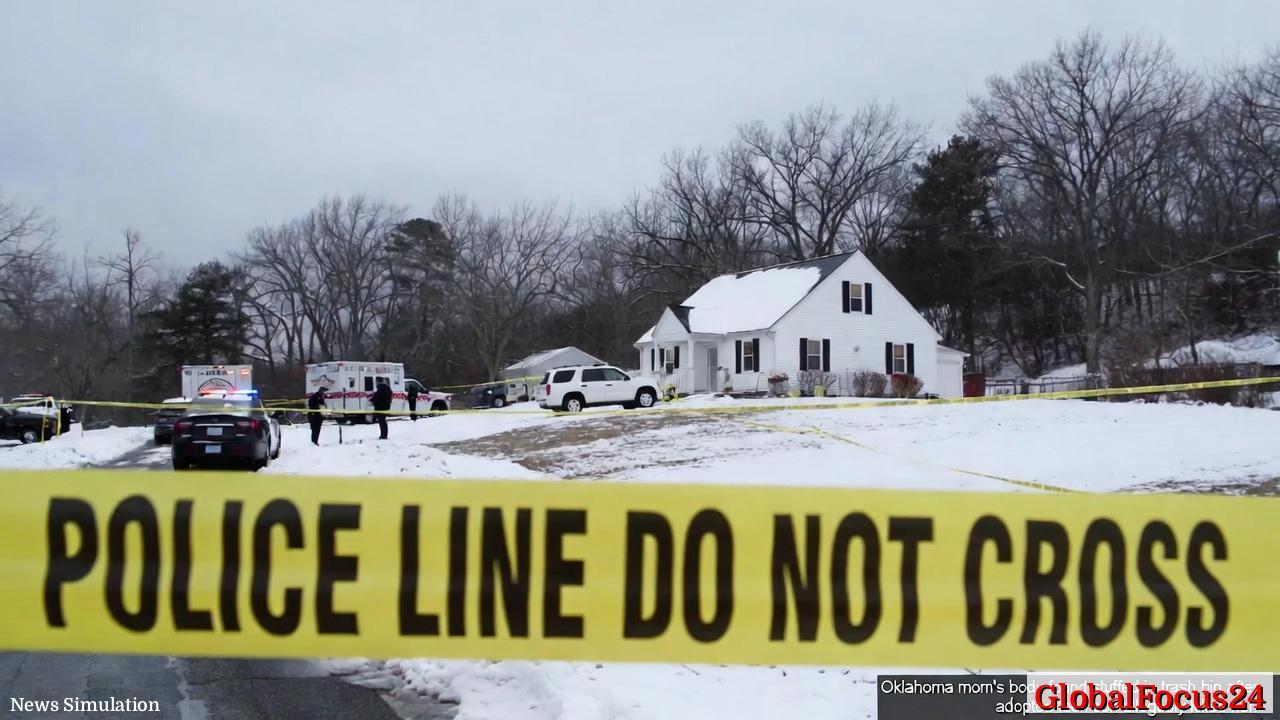
A quiet South Carolina neighborhood was jolted by a chilling discovery as a woman was found dead inside a freezer at her own home. Police tape, patrol cars, and investigators surrounded the residence, turning a familiar street into a scene of a high-stakes inquiry. The grim discovery, made amid recent snowfall that coated the property, has prompted a wide-ranging examination by local and state authorities, who are pursuing a case that intertwines personal history, community impact, and the broader questions surrounding domestic safety and crime prevention.
Historical context of unusual homicide scenes While homicides in residential settings are not uncommon, the specific detail of a body recovered from a freezer adds a distinctive and troubling dimension to the public’s understanding of violence within the home. Historically, such cases have prompted renewed attention to factors including family dynamics, potential financial or caregiving stress, and the role of environmental conditions in forensic investigations. In many instances, investigators must reconstruct a timeline that can span weeks or months, piecing together digital footprints, financial records, and neighbor observations to establish what happened and why. The presence of a freezer as the location for a death introduces different forensic considerations, including access to the appliance’s interior and the preservation of evidence that may otherwise degrade more quickly in standard living spaces.
Immediate response and ongoing investigation Law enforcement authorities acted swiftly after the discovery, mobilizing investigators to secure the scene and preserve evidence. The barricaded property, marked by yellow tape and the steady hum of generators and vehicles, indicates the seriousness with which investigators treat potential foul play. A key component of the inquiry has been interviews with neighbors, friends, and family to establish routine patterns and to identify any indicators of distress, financial difficulty, or conflict that could inform motive or circumstances surrounding the death. Autopsy results and toxicology tests are central to establishing the cause of death and ruling out contributing factors. As is typical in cases with complex forensic elements, investigators will likely pursue digital forensics, including mobile device analysis and financial and communication records, to reconstruct the events surrounding the incident.
Economic implications for the local community In moments like these, the immediate economic impacts may appear in the form of disrupted neighborhood routines, increased security concerns, and a temporary decline in property inquiries as residents reassess safety. Local businesses often see a ripple effect as shoppers and visitors adjust their routines, particularly if the incident becomes a frequent topic of discussion within the community. While one incident does not define an entire area, it can influence perceptions of safety and affect real estate sentiment, insurance considerations, and municipal resource allocation. In the longer term, the case can drive community demand for enhanced policing, neighborhood watch programs, or improvements in emergency preparedness training for residents and first responders. Additionally, the case may encourage policymakers to examine support networks for households facing domestic stress, financial hardship, or caregiving burdens, recognizing that underlying tensions can manifest in rare but devastating ways.
Regional comparisons and broader patterns South Carolina’s crime landscape is varied by region, with rural areas often experiencing different dynamics than metro corridors. In many southern states, residential homicides frequently attract substantial media attention due to the intimate scale of the crime and the potential for lasting community impact. Comparisons with neighboring states can reveal how policing strategies, forensic capabilities, and social services intersect to address violent incidents in homes. Some regions have invested in advanced crime-scene tooling and rapid-response forensic teams, which can shorten the time between discovery and resolution, while others rely more on cross-jurisdictional task forces to handle complex cases involving multiple data streams. The South Carolina case, in its forensic complexity and emotional resonance, serves as a reminder of how a single tragedy can escalate into broader conversations about crime prevention, mental health resources, and the effectiveness of local support networks.
Public reaction and community resilience Residents express a mix of shock, concern, and a desire for clarity as authorities provide updates. Community members often grapple with questions about how violence could occur within a familiar home, and how family dynamics may have contributed to such an outcome. In many communities, public response follows a pattern: mourning close ties, seeking reassurance from law enforcement, and renewed interest in safety education. Local faith groups, schools, and community organizations may offer support services, including counseling and outreach programs designed to help residents process distress and to reinforce a sense of collective resilience. Public statements from officials typically emphasize the ongoing nature of the investigation, the commitment to transparency, and the availability of resources for residents who need assistance during this difficult period.
Legal process and potential charges As investigators compile evidence, prosecutors will assess whether charges are warranted and, if so, what form they should take. In cases of suspected domestic homicide or manslaughter, charges may emphasize the role of intent, recklessness, or negligence, depending on the findings from the autopsy, ballistic or toxicology reports if applicable, and the overall evidentiary picture. The legal process will involve pre-trial motions, probable-cause determinations, and careful handling of sensitive information to protect the rights of all parties involved. It is common for defendants to be afforded legal counsel, and for the court to address any investigative continuities that may impact the timeline of the case. Throughout this process, authorities aim to balance public accountability with the presumption of innocence, ensuring that the investigation remains objective and thorough.
Victim profile and community impact The deceased individual’s background and personal history often emerge as important threads in the narrative, shaping how the community understands the tragedy. Neighbors and acquaintances might recall the victim’s routine, interests, and relationships, all of which contribute to a fuller picture of the person behind thes. The community’s response may include memorials, vigils, or charitable efforts aimed at supporting families affected by violence. Public discussions frequently center on safeguarding measures for vulnerable households, including access to domestic-violence resources, financial counseling, and social services that can help prevent future crises. The aim is not only to honor the victim but also to transform the episode into a catalyst for preventive action and community healing.
Forensics, technology, and the modern investigation Advances in forensic science and investigative technology have reshaped how such cases are solved. Modern procedures allow investigators to retrieve data from a wide range of digital and physical sources, including smart home devices, financial records, and social media activity, to corroborate timelines and establish connections. Scene processing teams employ meticulous procedures to document every detail, from the freezer’s interior to environmental conditions at the time of discovery. DNA analysis, fingerprint collection, and trace evidence all play roles, depending on what the scene yields. The integration of traditional crime-scene investigation with digital forensics has become a standard approach in complex cases, enabling a more comprehensive reconstruction of the events.
Policy implications and public policy considerations Incidents like this often prompt policymakers to evaluate resources for crime prevention, victim support, and community safety programs. Potential policy considerations include improving access to domestic violence services, expanding crisis intervention resources, and funding for neighborhood safety initiatives. Additionally, communities may explore affordable housing, social services, and economic supports designed to reduce stress that can contribute to violent outcomes. By linking public safety with social welfare strategies, policymakers aim to create a more resilient environment where households have the tools they need to avoid situations that might escalate into violence.
Public safety messaging and guidance for residents In the aftermath of a high-profile residential incident, safety-focused communications help reassure the public and provide practical steps for personal security. Authorities often encourage residents to report suspicious behavior, secure property, and participate in local safety programs. Community meetings and town halls can serve as forums for sharing information about crime prevention, emergency preparedness, and access to mental health resources. For families and individuals facing financial or caregiving pressures, resources that connect them with counseling, financial planning support, and social services can reduce the risk of crises that escalate into violence.
Conclusion: a city and a region processing a difficult moment The discovery of a death inside a freezer at a South Carolina home—and the ensuing arrest of a spouse—has cast a spotlight on the fragility of domestic life and the importance of swift, careful investigative work. As investigators continue to uncover facts and timelines, the community seeks answers, closure, and a reaffirmation of safety. The case underscores that violence, even in seemingly ordinary settings, has wide-reaching implications—from the emotional toll on neighbors to the economic and policy considerations that communities must address. While the investigation proceeds, residents and local leaders alike are left to navigate a path toward healing, stronger prevention, and renewed commitments to protecting families and safeguarding vulnerable individuals.