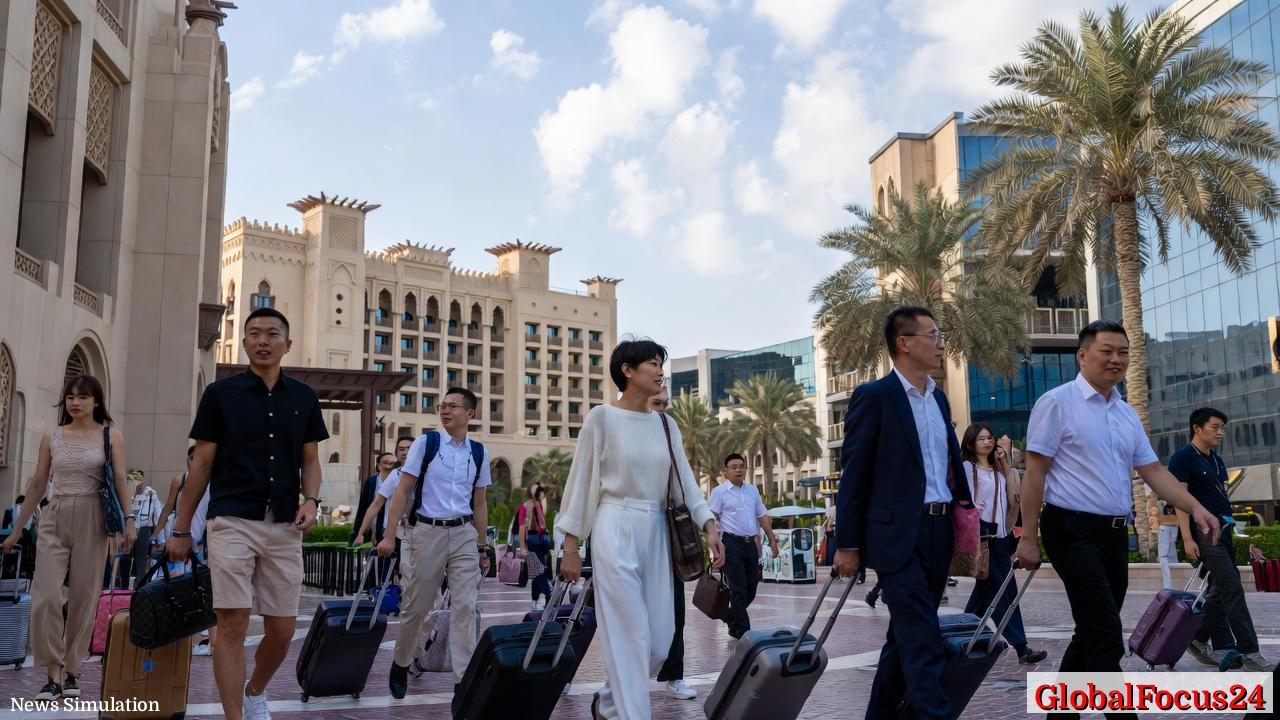
Dubai Emerges as a Magnet for Wealth: The Rise of Chinese Affluent Migration and Its Global Implications
Dubai is increasingly becoming a preferred destination for wealthy Chinese individuals seeking residency, investment opportunities, and a diversified lifestyle. This migration trend, accelerated in recent years, underscores a shifting global capital landscape where tax considerations, safety, and business incentives shape where ultra-high-net-worth families and successful entrepreneurs choose to plant roots. As capital flows adapt to evolving geopolitical and economic conditions, Dubai’s role as a regional hub for wealth management, real estate, and entrepreneurship is expanding, with wide-ranging implications for the Middle East, Asia-Pacific corridors, and global markets.
Historical Context: A Strategic Pivot Toward Global Wealth Centers Over the past two decades, Dubai has transformed from a regional trading post into a leading international financial and lifestyle hub. The city’s rise has been propelled by fiscal policy that favors business activity, transparent regulatory frameworks, and a diversified economy that blends tourism, real estate, finance, logistics, and technology. For Chinese investors, Dubai’s development narrative aligns with a broader shift toward multi-jurisdictional wealth management, where families diversify across continents to preserve capital, access international education, and secure political and economic stability for future generations.
The influx of Chinese capital into Dubai builds on a longer history of cross-border wealth movements in search of flexible residency and ownership structures. Dubai’s visa programs, including long-term residency options and business-friendly entry policies, provide a practical pathway for establishing family offices, real estate portfolios, and company headquarters in a jurisdiction renowned for logistics efficiency and global connectivity. The city’s position within the Gulf Cooperation Council (GCC) framework also offers strategic access to regional markets, energy corridors, and international trade routes that have historically attracted global capital.
Economic Impact: Real Estate, Finance, and Entrepreneurship
- Real estate and construction: The presence of wealthy Chinese buyers contributes to sustained demand in high-end residential segments, luxury hotels, and commercial properties. This demand helps stabilize property markets amid regional fluctuations and supports development pipelines that attract international developers and architects. As buyers acquire premium residences, they often invest in complementary sectors, including interior design, art, and high-end retail, creating a ripple effect that strengthens the local economy.
- Financial services and wealth management: Dubai’s status as a global financial center is reinforced by the migration of Chinese wealth, which expands the client base for private banks, family offices, and asset managers. This trend stimulates the growth of cross-border investment products, currency diversification strategies, and structured solutions tailored to multi-jurisdictional compliance frameworks. The demand for Shariah-compliant products in some segments also coexists with conventional wealth vehicles, broadening the spectrum of offerings in the market.
- Entrepreneurship and business ecosystems: Wealth migration typically correlates with a surge in start-up activity and cross-border ventures. Chinese investors establish regional headquarters, research and development hubs, and joint-venture ventures with local and regional partners. This environment promotes talent recruitment, accelerates innovation, and enhances Dubai’s competitiveness as a global center for technology, logistics, and design.
- Employment and consumer markets: A wealth inflow can influence the local consumer economy, supporting luxury services, hospitality, education, and health sectors. Increased demand for premium schools, specialized medical facilities, and boutique services fosters a higher-quality living environment that, in turn, sustains a cycle of investment and job creation.
Regional Comparisons: Dubai Versus Other Wealth Hubs
- Shanghai and Beijing: While China remains a major source of global wealth, domestic capital controls and regulatory considerations lead many affluent individuals to diversify assets offshore. Dubai offers a straightforward, tax-efficient environment for asset diversification outside mainland financial markets, alongside a cosmopolitan lifestyle that appeals to families seeking international schooling and cultural exposure.
- Singapore: Both Dubai and Singapore position themselves as premier wealth and business hubs with robust legal systems and financial infrastructure. For Chinese investors, Dubai’s tariff-free business climate, real estate opportunities, and visa options can present a complementary alternative to Singapore’s meticulous regulatory regime and high living costs.
- Hong Kong: In an era of shifting regional dynamics, Dubai offers a geographically distant but strategically valuable option for wealth diversification. The city’s safety, modern infrastructure, and English-language business environment provide a familiar operational landscape for international financiers seeking stability beyond the rapid political changes seen in other markets.
- Europe and North America: While these regions offer established financial markets and education systems, Dubai’s tax advantages, residency pathways, and proximity to growing Asian and African markets position it as a compelling gateway for families seeking global mobility without the same tax burden present in some Western jurisdictions.
Lifestyle and Mobility: What Wealthy Chinese Seek in Dubai
- Tax efficiency and residency options: Dubai’s tax framework—characterized by no personal income tax and a generally favorable corporate tax environment—appeals to individuals looking to optimize wealth preservation. Residency pathways, including long-term visas and business residency programs, enable families to establish a stable base for education and professional activity.
- Safety and quality of life: Dubai’s reputation for safety, modern infrastructure, world-class healthcare, and diverse cultural amenities makes it an attractive home for families prioritizing security and a high standard of living. The city’s shopping, dining, and entertainment ecosystems offer a cosmopolitan appeal that complements business objectives.
- Education and long-term planning: International schools and access to global curricula position Dubai as a practical choice for families planning for children’s education and future opportunities. Proximity to a broad network of international universities and research institutions also enhances its allure for long-term knowledge-based investment.
- Business incentives and logistics: A strategic port and logistics network, combined with pro-business regulatory environments, supports enterprise expansion and regional distribution strategies. The ability to set up regional headquarters quickly and access to talent pipelines in both the Middle East and Asia are notable advantages.
Public Reception and Market Dynamics Wealth migration, particularly from a major economy like China, often evokes a mix of enthusiasm and caution within host markets. Dubai’s business community and policymakers generally welcome sustained capital inflows that contribute to urban development, job creation, and global competitiveness. At the same time, stakeholders monitor capital movements to ensure market stability, prudent real estate development, and transparent investment processes. Local media often highlights success stories of families who integrate into the emirate’s economy, while analysts assess risk factors such as macroeconomic sensitivity, global trade conditions, and currency dynamics.
Public sentiment toward international capital inflows toward Dubai tends to follow broader global economic trends. When markets exhibit resilience, demand for luxury real estate and premium services tends to rise, reinforcing the city’s status as a premier destination for global elites. Conversely, global economic headwinds—such as tightening liquidity or shifts in exchange rates—can influence the pace of migration and investment. Dubai’s authorities respond with flexible policy tools and investment incentives designed to maintain momentum while safeguarding financial stability.
Policy and Regulatory Environment: Ensuring a Transparent, Sustainable Market Dubai’s regulatory framework for foreign investment emphasizes transparency, ease of doing business, and enforceable property rights. By balancing openness with robust oversight, the emirate seeks to sustain confidence among international investors. Key elements include:
- Property ownership and visas: Clear pathways for foreign ownership and residency support for investors, entrepreneurs, and highly skilled professionals.
- Financial regulation: A mixed system that supports both conventional and innovative financial services while aligning with international standards to facilitate cross-border capital flows.
- Real estate governance: Market data transparency, standardized processes for property transactions, and mechanisms to prevent speculative excesses while encouraging sustainable development.
- Economic diversification incentives: Initiatives aimed at reducing dependence on any single sector by promoting technology, manufacturing, and green-energy projects alongside traditional sectors.
Implications for Global Capital Flows The movement of wealthy Chinese individuals toward Dubai illustrates a broader trend in which capital seeks diversified, low-tax, high-security environments with robust infrastructure and global connectivity. This pattern has several notable implications:
- Cross-border wealth management: Increased demand for multi-jurisdictional planning, currency diversification, and cross-border investment products expands the ecosystem of private banks and family offices operating in Dubai.
- Global talent networks: As families relocate, talent mobility intensifies. Schools, universities, and professional services adapt to meet the needs of a more international community, reinforcing Dubai’s position as a magnet for skilled professionals.
- Real estate cycles and urban development: Sustained demand for luxury housing supports ongoing development while requiring thoughtful oversight to maintain housing affordability for local residents and ensure sustainable urban growth.
- Trade and investment linkages: With direct access to Asia, Europe, and Africa, Dubai’s role as a regional logistics hub strengthens, enabling smoother movement of goods, services, and capital across continents.
Regional Economic Comparisons: Impact on the Arabian Gulf and Beyond Dubai’s wealth influx complements broader economic developments within the Arabian Gulf, including diversification strategies away from oil dependence and toward knowledge-based industries. Neighboring emirates and Gulf states watch migration patterns closely, as capital flows can influence housing markets, consumer sectors, and public finance considerations. The regional narrative emphasizes a balance between attracting international investment and ensuring inclusive growth for resident communities.
Sustainability and long-term prospects
- Environmental and social considerations: As wealth inflows expand, urban planning and sustainability become critical. Efficient energy use, public transport improvements, and green building standards help maintain Dubai’s appeal while addressing climate resilience.
- Economic resilience: A diversified economy, combined with prudent fiscal policy and transparent governance, supports long-term stability. This approach helps ensure that Dubai can absorb external shocks and sustain growth in the face of global volatility.
- Social integration: The city’s cosmopolitan environment, with residents from diverse backgrounds, fosters cultural exchange and innovation. Ensuring access to affordable housing and inclusive public services remains a priority for sustaining balanced growth.
Conclusion: A Dynamic Wealth Corridor in a Global Context The migration of wealthy Chinese individuals to Dubai signals a dynamic, multi-faceted shift in global wealth geography. It reflects strategic decisions to optimize tax positions, secure safe and vibrant living environments, and access a thriving business ecosystem with global reach. For Dubai, the trend reinforces the emirate’s role as a premier wealth and business hub, capable of accommodating sophisticated financial needs while nurturing innovation and quality of life. As the flow of capital continues to adapt to evolving market conditions, the city’s capacity to balance growth with sustainability will shape its standing as a durable anchor for global wealth in the years ahead.