Uganda’s Military Chief Under Scrutiny: A Look at Influence, Context, and Implications
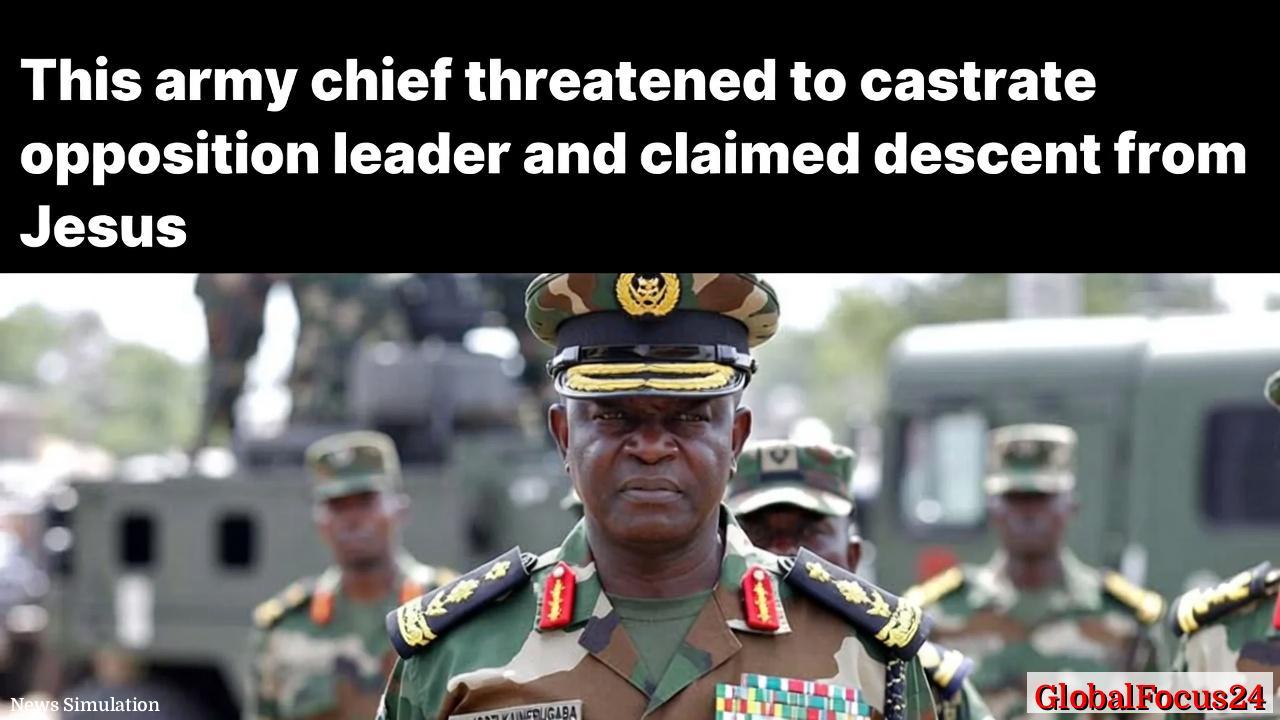
In Uganda, a nation that has long balanced rapid economic growth with periodic political tension, the spotlight has fallen on Gen Muhoozi Kainerugaba, the army chief whose social media activity has sparked national and international discussion. His public posts—some widely condemned for threats against opposition figures, and others for claims of divine lineage—have intensified debates about succession, civil-military relations, and the country's political stability as President Yoweri Museveni nears the end of a decades-long tenure.
Historical footing: a long arc of military influence in Ugandan politics Uganda’s modern political landscape has intertwined military authority with executive governance for decades. Museveni, who took power in 1986 after a guerrilla campaign, has maintained a tight grip on security forces while steering an economy that has shown notable growth in various sectors, including services and agriculture. The generation of leaders and officers who came of age during those early post-conflict years remains central to Uganda’s security apparatus. In this environment, the role of military leadership in national politics is rarely abstract; it often intersects with questions about governance, succession, and the boundaries between civilian oversight and military prerogative.
Muhoozi Kainerugaba’s rise and the perception of succession Gen Muhoozi Kainerugaba, born in 1974, has traveled a path from elite military education to the apex of Uganda’s armed forces. His trajectory—accented by training at the United Kingdom’s Royal Military Academy Sandhurst and rapid promotion within Uganda’s security structures—has positioned him at the nexus of both national defense and potential political leadership. Analysts frequently view him as a possible contender for a future leadership role, given his proximity to the presidency and his command over units tasked with presidential security.
This perception is shaped by both formal responsibilities and informal influence. As the head of elite units that historically have carried significant weight in state affairs, Kainerugaba’s authority extends beyond routine military command. Critics and observers point to the “unholy alliance” narrative that links him with Museveni and with influential figures such as his uncle, Salim Saleh, suggesting a familial network that could shape succession dynamics. The discussions surrounding this topic are not merely about personality; they reflect enduring questions about the balance of power between civilian leadership, the military, and the institutions that guard national stability.
Controversy on social media and its political ramifications Kainerugaba’s public statements have drawn sharp criticism and raised alarms about the tone and boundaries of official military discourse. Posts that referenced the potential legal or physical consequences for opposition figures, or that questioned electoral outcomes, provoked widespread scrutiny of how military leaders engage in political debate. Additionally, messages that asserted divine lineage or invoked religious narratives have fed into broader debates about the role of myth and charisma in leadership, especially in contexts where religious symbolism intersects with state power.
The timing of these posts has amplified their impact. In the immediate aftermath of elections that Museveni publicly touted as decisive, the military command structure faced questions about the level of independence and restraint exercised by security forces during protests and political mobilization. Observers noted disruptions attributed to security interventions, including internet outages, detentions, and, in some accounts, fatalities. The exact attribution of responsibility for individual incidents remains contested, but the broader pattern raises important considerations about civil liberties, rule of law, and the public’s tolerance for security interventions during political processes.
Security forces, governance, and public reaction Uganda’s security landscape has historically emphasized stability and a strong state response to dissent. The period surrounding elections typically involves heightened security measures, which can include curtailments of communication networks, raids on opposition offices, and rapid deployments of security personnel. When such actions are perceived as opaque or excessive, they can fuel public concern about human rights and the future of political pluralism.
Public reaction to leadership within the security establishment is often a barometer for trust in governance. In Uganda, where the economy has benefited from infrastructure investment, energy projects, and growing urbanization, the relationship between security policy and economic performance remains closely watched. Citizens seek assurances that security policies protect public safety and property while preserving civil rights and avenues for political participation.
Economic context and regional comparisons Economically, Uganda has pursued growth initiatives aimed at diversifying its economy beyond traditional commodities. Agriculture remains a cornerstone, with coffee and other cash crops contributing to rural livelihoods. Urban centers have expanded service sectors, while infrastructure investments—such as roads, power generation, and telecommunications—have aimed to unlock productivity and attract private investment. Yet, the economy faces vulnerabilities, including external debt levels, commodity-price fluctuations, and the need for ongoing reforms to improve governance, transparency, and macroeconomic stability.
In regional comparisons, Uganda sits among East Africa’s dynamic economies, where political stability and governance quality influence foreign direct investment, trade patterns, and access to regional markets. Kenya, Tanzania, Rwanda, and Ethiopia each present different governance models and security challenges, shaping how investors evaluate risk and opportunity. Regional stability is interwoven with security sector behavior, as cross-border issues and bilateral cooperation play a role in shaping national policy and economic resilience.
The broader regional and global lens International observers watch Uganda’s security leadership not only for domestic policy implications but also for how the country balances sovereignty with engagement in regional security frameworks. Ugandan troops have contributed to regional missions and peacekeeping efforts, reflecting the country’s strategic interests beyond its borders. At the same time, global attention to human rights standards and democratic norms continues to influence how foreign partners engage with Uganda’s leadership and security institutions.
Impact on governance and civil-military relations The ongoing discourse around Gen Muhoozi Kainerugaba underscores enduring questions about civil-military relations in Uganda. A military chief who commands respect within the security apparatus and who is widely perceived as a possible future leader can complicate the principle of civilian control, a cornerstone of democratic governance. The balance between maintaining national security and ensuring political pluralism requires robust oversight, transparent communication, and firmly established channels for accountability.
Policy implications for governance reform and accountability For policymakers and observers, several areas merit attention:
- Civilian oversight: Strengthening formal mechanisms that ensure civilian leadership and parliamentary scrutiny of security forces can help preserve democratic norms and reduce the potential for misuse of power.
- Human rights protections: Clear guidelines and consistent enforcement against abuses during protests or security operations are essential to maintain public trust and uphold rule of law.
- Electoral integrity and transparency: Independent processes for electoral management, with credible verification and timely reporting, are crucial for sustaining electoral legitimacy in a competitive political environment.
- Economic governance: Transparent procurement, anti-corruption efforts, and performance-based governance can help sustain investor confidence and social trust even amid heightened political tensions.
Public discourse and information integrity The public conversation surrounding military leadership and political succession is deeply influenced by digital platforms and media coverage. Social media posts, official statements, and public diplomacy all shape perceptions of legitimacy, risk, and future governance. Maintaining accurate information, ensuring accountability for statements that could affect national security, and promoting open dialogue with the public are important components of a healthy political system.
What to watch going forward
- Leadership transitions: As Museveni’s extended tenure nears the end of its current phase, observers will closely monitor any signals of succession planning, institutional reforms, or changes in the balance of power within the security sector.
- Security policy evolution: Changes in how Uganda manages internal security and external threats will impact business confidence, regional stability, and humanitarian considerations for populations affected by security operations.
- Economic resilience: The ability of Uganda to sustain growth, address structural reforms, and attract investment will influence the country’s long-term development trajectory and its standing in the East African Community and beyond.
In sum, Gen Muhoozi Kainerugaba’s position at the intersection of military command and political possibility highlights the delicate dynamics of Uganda’s governance landscape. The country’s path forward will depend on how civil oversight, legal safeguards, and transparent policy leadership intersect with a security apparatus that remains deeply influential in national affairs. As Uganda navigates this period of transition and recalibration, the public story will hinge on accountability, inclusivity, and a commitment to safeguarding both stability and civil liberties for all Ugandans.