Epstein File Release Deepens Historical Reckoning, with Broad Economic and Regional Impacts
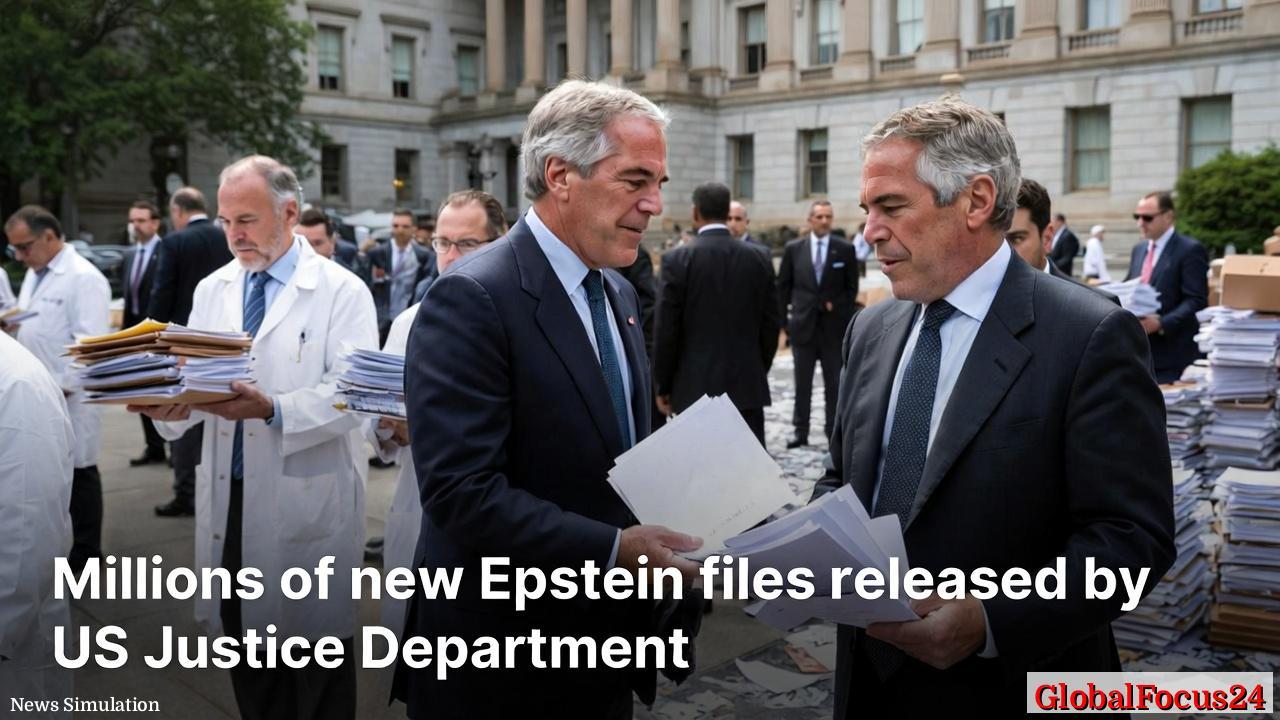
The U.S. Department of Justice has released millions of new documents related to Jeffrey Epstein, shedding additional light on the timelines, networks, and financial arrangements surrounding the disgraced financier and his associates. The unprecedented disclosure, decades in the making, arrives after sustained advocacy from journalists, researchers, and the public for greater transparency in a case that has intersected finance, law, and global governance. The material includes previously undisclosed investigations, correspondence, and procedural materials that illuminate how Epstein’s operations were structured, how evidence was gathered, and how investigations evolved over time.
Historical Context: A Case That Transcended Borders and Sectors Epstein’s trajectory began in the late 20th century, when he built a reputation for high-level access and a enigmatic blend of philanthropy, academia, and controversial associations. Over the years, investigators traced a web of relationships spanning finance, academia, entertainment, and public service. The new files deepen the archival record, revealing more about early financial maneuvers, asset flows, and the mechanics by which Epstein maintained a global footprint despite mounting legal concerns. The release invigorates discussion about how wealth, influence, and legal institutions intersect, particularly in a country that has long prided itself on the rule of law and accountability for even the most prominent figures.
Economic Impact: Ripple Effects Across Multiple Sectors
- Financial services and compliance: The documents scrutinize transactional patterns, shell entities, and due-diligence gaps that have historically shaped how wealth managers assess risk in high-net-worth clients. Analysts expect closer attention from regulators and private banks, potentially tightening Know Your Customer and anti-money-laundering controls across jurisdictions.
- Real estate markets and asset management: Epstein’s footprint in real estate—often through complex structures—has implications for how investors evaluate ownership, stewardship, and governance of properties connected with controversial figures. The new disclosures may prompt institutional investors to reassess risk exposure in portfolios that include related entities or beneficiaries.
- Philanthropy and academic partnerships: The materials underscore the importance of transparent provenance for philanthropic giving and the due diligence required in collaborations with universities and research institutions. Universities and foundations may respond with strengthened verification processes to protect reputational integrity and ensure that funds support legitimate scholarly work.
- Legal and investigative services: Law firms, forensics specialists, and investigative teams could experience shifts in demand as entities seek to interpret and apply newly released material. The files offer a rich longitudinal view of investigative strategy, plea negotiations, and regulatory responses that may influence future prosecutions and settlement discussions.
Regional Comparisons: A Global Lens on Accountability
- United States: The new documents contribute to a broader pattern of post-crisis transparency and institutional introspection. In major financial hubs, regulators are under growing public pressure to demonstrate that powerful figures cannot circumvent oversight. The Epstein files add to a longitudinal narrative about the balance between discretion in pursuing complex cases and the demand for public accountability.
- Europe: Several European jurisdictions are reevaluating information-sharing protocols and cross-border cooperation in high-profile investigations. The released materials may prompt closer scrutiny of asset flows and the role of private banks in managing wealth across borders.
- Caribbean and Latin American regions: Given Epstein’s reported activity in multiple jurisdictions, the documents could influence ongoing debates about financial supervision, beneficial ownership, and the enforcement of anti-trafficking and anti-corruption measures. Local authorities may reference the files as benchmarks for international cooperation in complex, cross-border cases.
- Asia-Pacific: Regulators and financial institutions in this region have been increasingly attentive to illicit finance risks and the need for robust due diligence. The Epstein materials may bolster efforts to harmonize standards with global best practices for transparency and governance.
What the Documents Reveal About Investigative Methods
- Evidence-gathering patterns: The files illustrate how investigators collected data across different agencies, including the use of subpoenas, financial analytics, and interview protocols. Observers note the meticulous cataloging of communications, financial records, and travel histories that help reconstruct behavior over time.
- Interagency coordination: The release highlights collaboration among federal agencies, prosecutors, and supervisory bodies. This interagency coordination underscores the complexity of pursuing high-profile cases that traverse multiple legal domains, from financial crimes to trafficking investigations.
- Legal strategy and preservation: The materials offer insights into how investigators preserved digital and physical evidence, managed chain-of-custody concerns, and navigated grand jury processes. These elements matter not just for Epstein’s case but for future cases where the integrity of evidence shapes outcomes.
Public Reaction: A Moment of Collective Reflection Public interest in the Epstein saga reflects broader concerns about accountability for the wealthiest and most powerful. The newly released documents have spurred renewed discussion about how transparency can deter illicit behavior and reassure communities that legal processes function without sensationalism or bias. Advocates for victims and survivors emphasize the importance of maintaining momentum in investigations, ensuring that historical records translate into meaningful reforms that protect vulnerable populations.
Implications for Policy and Reform
- Strengthened oversight: The material may accelerate calls for more rigorous supervision of private wealth management, including enhanced transparency around shell entities, trust structures, and cross-border ownership. Policymakers could explore harmonizing reporting standards to reduce gaps that allow improper activity to persist behind complex corporate veils.
- Victim-centered remedies: As public access to the files grows, there is potential for more robust mechanisms to support survivors, including clearer avenues for redress and opportunities to contribute to the historical record in constructive ways.
- Compliance education: Financial institutions and law firms may invest more heavily in training programs that emphasize ethical governance, risk management, and the critical importance of separating professional discretion from personal associations.
A Note on Narrative and Tone This article presents a careful, objective view of the newly released documents and their potential implications. It avoids political commentary or partisan framing, focusing instead on verifiable facts, historical context, and the practical consequences for institutions, regulators, and the public. The aim is to illuminate how the Epstein case remains a touchstone for discussions about transparency, accountability, and the rule of law in a complex global economy.
Historical Threads to Watch
- Legacy of transparency reforms: The Epstein release ties into a longer arc of reforms designed to improve access to information about investigations and the behavior of elite actors. Observers will watch for how these reforms evolve and whether they translate into lasting policy changes.
- Corporate governance: The file materials may influence governance standards within private entities, encouraging more rigorous oversight of executives, partners, and trusted associates who carry significant influence and financial leverage.
- Public trust: Reassurance rests on consistent enforcement and clear communication about what the documents reveal and what remains unknown. Transparent updates, coupled with concrete actions, help sustain public confidence in the justice system and financial oversight mechanisms.
Conclusion: A Milestone in a Ongoing Inquiry The mass release of Epstein-related documents marks a significant milestone in a case that has long symbolized the intersection of wealth, influence, and accountability. While the materials do not deliver a definitive final chapter, they provide a richer, more granular map of how such cases unfold across jurisdictions and throughout the financial ecosystem. As investigators, policymakers, and the public digest the newly accessible records, the broader implications will unfold—shaping future regulatory approaches, guiding institutional behavior, and reinforcing the enduring principle that no one is above the law.