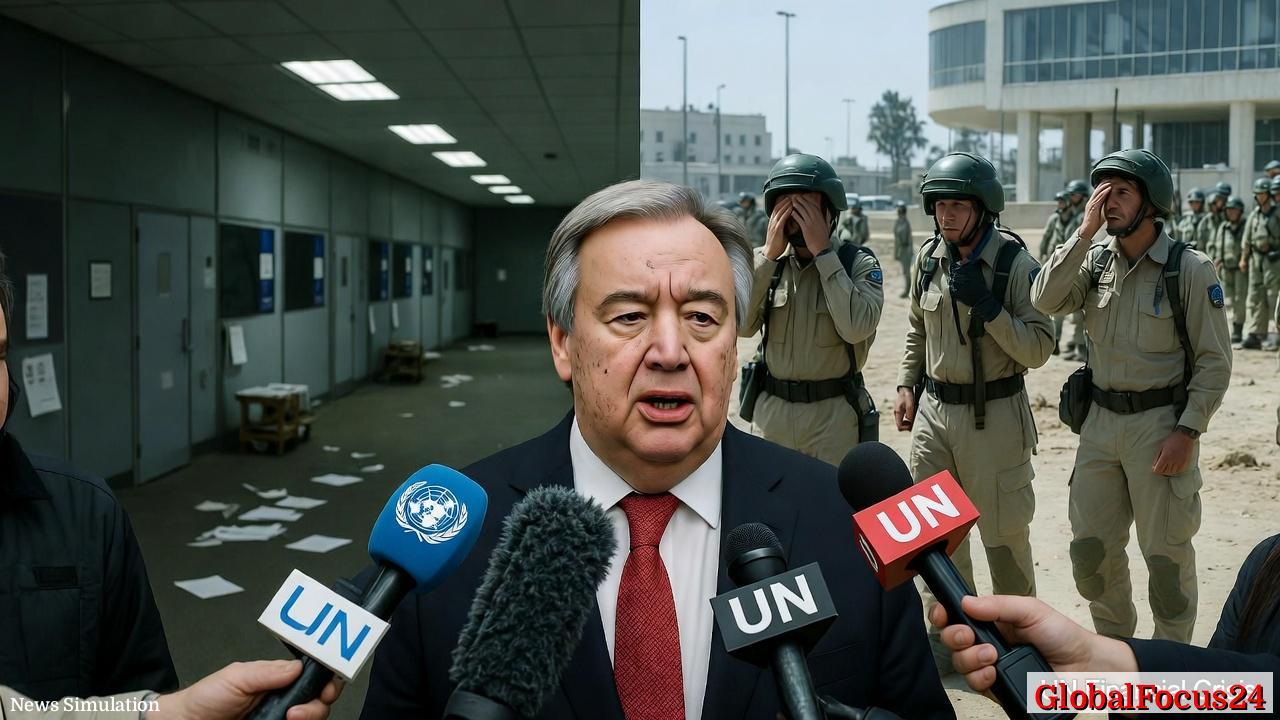
UN faces acute funding crisis as unpaid dues threaten global operations
In a warning that reverberates across humanitarian corridors, peacekeeping fronts, and global diplomacy, the United Nations is confronting a severe cash shortage driven by unpaid member-state dues and irregular contributions. The secretary-general has urged swift, decisive action to avert a financial collapse that could undermine the world body’s core mandates, from peacekeeping missions in fragile regions to emergency relief efforts for millions of people affected by conflict, climate disasters, and displacement.
Historical context: a system under financial strain The UN’s funding model has long relied on a blend of assessed dues and voluntary contributions. Over recent years, that mix has grown increasingly volatile. Several member states have shifted toward late or partial payments, and some have shifted large portions of their aid to project-specific donors, bypassing the regular budget cycles. This pattern has created a persistent rhythm of near-annual cash gaps, even as demands on the UN’s operations have expanded in complexity and scale. The current moment marks one of the most acute instances of the problem, intensified by macroeconomic pressures and competing domestic priorities in key member nations.
In the broader arc of UN history, the organization has survived past slumps by maintaining a mix of reserves, flexible funding mechanisms, and innovative financing. Yet the present shortfall is not merely a budgeting hiccup; it represents a structural stress test. If unresolved, it could delay missions in danger zones, slow the delivery of critical humanitarian supplies, and complicate diplomacy on issues ranging from pandemic preparedness to climate resilience. The nervous system of the UN—its ability to mobilize rapid response teams, field offices, and cross-border programs—depends on timely funding at a scale that matches today’s global challenges.
Economic impact: ripple effects across aid, diplomacy, and development Unpaid dues and delayed contributions translate into tangible constraints across several pillars of the UN’s work. Humanitarian operations, which already operate on razor-thin margins, risk slowing distributions of food assistance, safe drinking water, shelter, and medical care. In conflict regions where ceasefires are precarious and displacement is widespread, even small funding delays can translate into weeks of uncertainty for aid convoys and affected communities.
Peacekeeping missions, often deployed on multi-year mandates, require predictable budgets to maintain troop rotations, procurement of equipment, and financial support for local partners. A cash crunch can force a recalibration of mission timelines, potentially extending exposure to security risks for both civilian populations and personnel. The private sector and international donors contribute through partnerships and grants, but those streams benefit from a stable fiscal environment that signals long-term commitment.
Global diplomacy and multilateral responses also hinge on predictable financing. When the UN’s operations slow, diplomatic initiatives—from climate negotiations to public health coordination and cross-border security arrangements—face delays. The domino effect can heighten regional instability, affect refugees’ futures, and complicate responses to looming crises such as drought-induced famine or rising migration pressures. The economic landscape in donor countries—inflation, budgetary constraints, and shifting political winds—directly influences the flow of contributions, underscoring the interconnected nature of global governance.
Regional comparisons: how funding woes vary by geography and policy Certain regions have historically been more sensitive to fluctuations in UN funding patterns due to their exposure to humanitarian crises and security concerns. For example:
- The Middle East and North Africa: Protracted conflicts, large refugee populations, and complex humanitarian access challenges increase demand for UN-supported relief operations. Delays in funding can disrupt aid delivery routes and compromise protection programs for civilians and vulnerable groups.
- Sub-Saharan Africa: A region with numerous development and stabilization programs relies on predictable UN financing to maintain health, education, and governance initiatives. Cash gaps can complicate disease control campaigns, vaccination drives, and peacekeeping support in volatile environments.
- Asia-Pacific: Rapid urbanization, disaster risk, and climate adaptation efforts place a premium on timely UN financing to coordinate regional responses, including disaster relief and resilience-building projects.
- Global programs: Multilateral initiatives addressing pandemics, food security, and climate finance require steady funding streams. When dues remain unpaid, even successful flagship programs can experience bottlenecks, delaying critical investments in resilience.
Operational response and governance measures The secretary-general has stressed three main avenues to stabilize funding: reaffirming member-state commitments through timely dues, accelerating the clearance of outstanding payments, and expanding flexible funding channels that can be deployed rapidly in response to emergencies. In parallel, several reforms are under discussion to improve budgeting discipline, enhance transparency around contribution timelines, and optimize cash management across UN agencies.
A practical consideration is the role of reserves and contingency funds. While the UN maintains financial buffers, the size and accessibility of these reserves vary by fiscal year and by administrative approvals. Strengthening liquidity while preserving the ability to fund urgent operations is a delicate balancing act, one that requires cooperation among member states, international partners, and civil society observers.
Public reaction and implications for global governance Public sentiment around the UN often centers on its perceived effectiveness in crisis response and conflict resolution. In regions experiencing acute humanitarian need, the news of a cash shortfall can heighten anxiety among vulnerable populations, aid workers, and local governments that depend on predictable UN support. At the same time, donors and civil society groups may respond with renewed calls for accountability and reform, seeking assurance that every dollar is deployed efficiently and that funding gaps do not erode the UN’s ability to protect civilians and uphold international law.
Despite the urgency, experts warn against politicizing funding discussions. Markets and humanitarian networks function best when the conversation stays focused on outcomes—how quickly relief reaches families, how effectively conflict-affected communities regain access to essential services, and how robust regional diplomacy becomes in preventing escalations. The objective is not to assign blame, but to secure a stable financing framework that enables the UN to fulfill its mandates and adapt to evolving global risks.
Regional implications in practice When the UN stabilizes its funding, the immediate benefits are visible in operating tempo and project continuity. Programs that address child malnutrition, shelter for displaced families, and vaccination campaigns can resume full cadence, reducing mortality and morbidity among the most vulnerable populations. In migration hubs and border regions, UN-led coordination helps governments manage flow, coordinate humanitarian aid, and align protection standards for refugees and asylum-seekers. For small island developing states and least-developed countries, UN financing supports climate adaptation and disaster risk reduction, helping communities build resilience against increasingly frequent extreme events.
Conversely, prolonged funding gaps can trigger a cascade of operational delays that impair on-the-ground outcomes. Emergency response timelines may stretch, crucial procurement cycles could be disrupted, and the cadence of field visits by humanitarian agencies may fall behind. The resulting impact is not abstract: it translates into longer wait times for life-saving assistance, greater exposure to disease outbreaks, and slower progress toward long-term development goals. In the aggregate, the international community risks signaling a diminished commitment to shared responsibility in a time of escalating global challenges.
Strategic considerations for the path forward To navigate the immediate crisis and build resilience for the future, several strategic steps are under consideration:
- Strengthen payment discipline: Reinforce clear deadlines for dues, with transparent consequences for chronic late payments, while offering tailored payment plans for countries undergoing temporary financial stress.
- Expand flexible funding: Increase the share of voluntary, unearmarked contributions that can be rapidly deployed to urgent needs without lengthy approval processes.
- Improve cash management: Implement standardized reporting and forecasting tools across UN agencies to optimize liquidity and reduce delays between funding availability and program execution.
- Improve oversight and impact reporting: Provide accessible, externally verifiable data on how funds translate into outcomes, strengthening donor confidence and encouraging renewed support.
- Foster regional funding mechanisms: Develop regional pooled funds that align with regional priorities, enabling faster disbursement and closer alignment with local needs while maintaining global accountability standards.
Conclusion: a window of urgency with a long-term mandate The current financial crunch facing the United Nations is more than a budgetary alarm. It is a stress test of global solidarity and the international community’s ability to organize collective action in the face of complex, interconnected risks. The secretary-general’s call for rapid, coordinated action echoes across humanitarian corridors, peacekeeping theaters, and diplomatic forums where decisions made today shape the resilience of millions tomorrow.
As regions confront persistent poverty, climate shocks, and security challenges, a functioning UN remains a central mechanism for humanitarian aid, global health coordination, and the enforcement of international norms. The path forward will require sustained political will, transparent governance, and flexible funding arrangements that honor the organization’s core commitments while adapting to the realities of modern multilateral finance. The clock is ticking, and the world’s ability to respond decisively may hinge on the speed and coherence of the international response to this funding challenge.