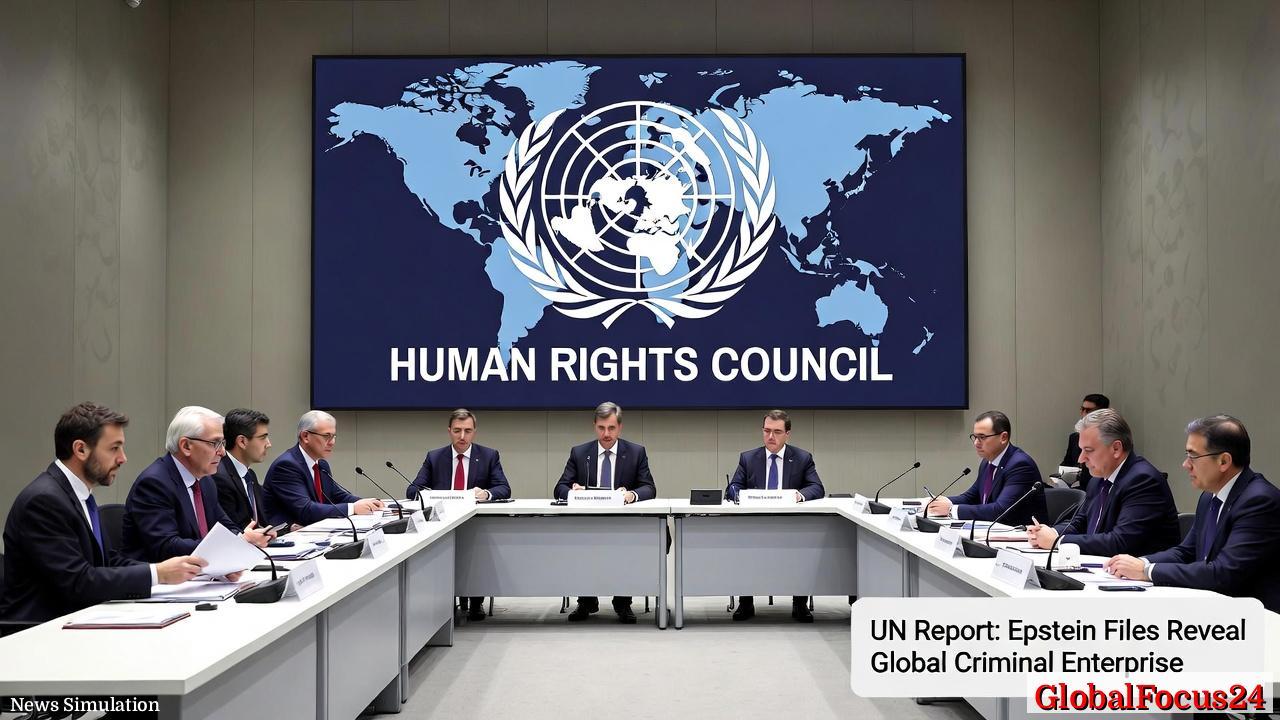
Epstein Files Raise Alarm Over Global Network of Crimes Against Humanity, UN Experts Say
The release of tens of millions of documents related to financier and alleged trafficker Jeffrey Epstein has prompted independent UN experts to flag the potential existence of a global criminal enterprise whose acts could meet the legal threshold for crimes against humanity. The initial analysis emphasizes a pervasive pattern of sexual exploitation, commodification of women and girls, and transnational reach that spanned decades and crossed borders, institutions, and social circles. The implications for international justice, accountability, and regional security are broad and continuing to unfold.
Historical Context and Origins
- Epstein's criminal conduct, beginning in the 1990s and culminating in his 2019 arrest in the United States, sits at the intersection of white-collar privilege and organized sex trafficking. The newly highlighted material underscores how crimes of this scale often rely on social capital, anonymity, and systemic gaps in safeguarding vulnerable populations. This context helps explain why the case has persisted in public memory as a touchstone for debates about accountability, especially for powerful networks that can shield wrongdoing from immediate scrutiny.
- The UN experts’ framing situates Epstein’s activities within a longer historical arc of gender-based violence that has repeatedly illustrated how impunity can be sustained when victims face stigma, revictimization, or fear of reprisal. By emphasizing the “gravest” offenses under international law, the assessment aligns Epstein’s case with other modern investigations into sex trafficking, forced labor, and related crimes that challenge state and international mechanisms to respond swiftly and comprehensively.
Economic Impact and Systemic Implications
- The Epstein investigations illuminate the economic architecture that can accompany criminal enterprises. Documented financial flows, charitable donations, and social capital leveraged for influence illustrate how illicit activity can be intertwined with legitimate wealth management, philanthropy, and high-profile social events. Regions touched by these networks may experience indirect effects, including tax policy debates, reputation risk for institutions, and shifts in philanthropic giving that reflect heightened public scrutiny and calls for stricter compliance.
- For financial and professional services sectors, the case underscores the importance of rigorous due diligence, transparent governance, and robust whistleblower channels. When elites operate across transnational lines, even subtle forms of complicity or oversight gaps can create systemic vulnerabilities that regulators and market participants must address to preserve trust and integrity in financial ecosystems.
Regional Comparisons and Public Reaction
- In major metropolitan hubs across the Americas, Europe, and beyond, reactions have ranged from renewed discussions about safeguarding and accountability to demands for transparent investigations that do not shrink from examining influential networks. Regions with longstanding histories of advocacy for victims of trafficking may be particularly attentive to the implications for policy reform, including enhanced reporting requirements, cross-border cooperation, and more stringent education campaigns for recognizing coercive practices.
- Santa Clara and similar technology-forward regions may see amplified concerns about data management, digital forensics, and the role of social media platforms in disseminating or concealing trafficking networks. Local audiences often demand timely, credible information, clear timelines for investigations, and assurances that public institutions will uphold high standards of integrity in handling sensitive materials.
Broader Legal and Ethical Considerations
- The UN experts’ assessment raises important questions about how crimes against humanity may be established in cases involving serial offenses, exploitation, and transnational operation. The threshold for such crimes often depends on the scale, duration, and systematic nature of the acts, as well as the responsibility of state and non-state actors in facilitating or enabling criminal behavior. This framing invites closer scrutiny of international judicial mechanisms and the role of national courts in addressing complex, cross-border criminal enterprises.
- For victims and survivors, the emphasis on accountability can offer a pathway to recognition and redress, even as the legal processes unfold over time. The ethical imperative to document, preserve, and validate survivor experiences remains central to ensuring that justice is not merely theoretical but tangible in the lives of those affected.
Key Takeaways and Forward-Looking Perspectives
- The Epstein matter continues to serve as a critical case study in how elite networks can intersect with criminal conduct on a transnational scale, prompting ongoing reforms in policy, law enforcement collaboration, and civil society oversight. Observers expect continued investigations, potential indictments, and more comprehensive disclosure of related financial and personal networks as part of a holistic approach to accountability.
- Public institutions and private sector actors alike are likely to re-evaluate risk controls, compliance programs, and due-diligence protocols to prevent similar patterns of exploitation and concealment in the future. The evolving narrative reinforces the need for vigilance, transparency, and sustained advocacy for victims' rights and protections.
Conclusion
The UN-expert assessment of Epstein-related documents marks a pivotal moment in the discussion about how crimes of immense scale and transnational reach are understood and pursued within international law. As investigations progress, stakeholders across regions will be watching closely for developments that could reshape approaches to trafficking, human rights protection, and the enforcement of accountability for powerful actors. The broader impact on policy, financial integrity, and public trust will hinge on continued multidisciplinary collaboration, rigorous evidence gathering, and an unwavering commitment to the rights and dignity of survivors.