AUSTRALIA’S ACHING IRAN QUESTION: A GLOBAL SENTINEL FOR NUCLEAR DYNAMICS AND REGIONAL TENSIONS
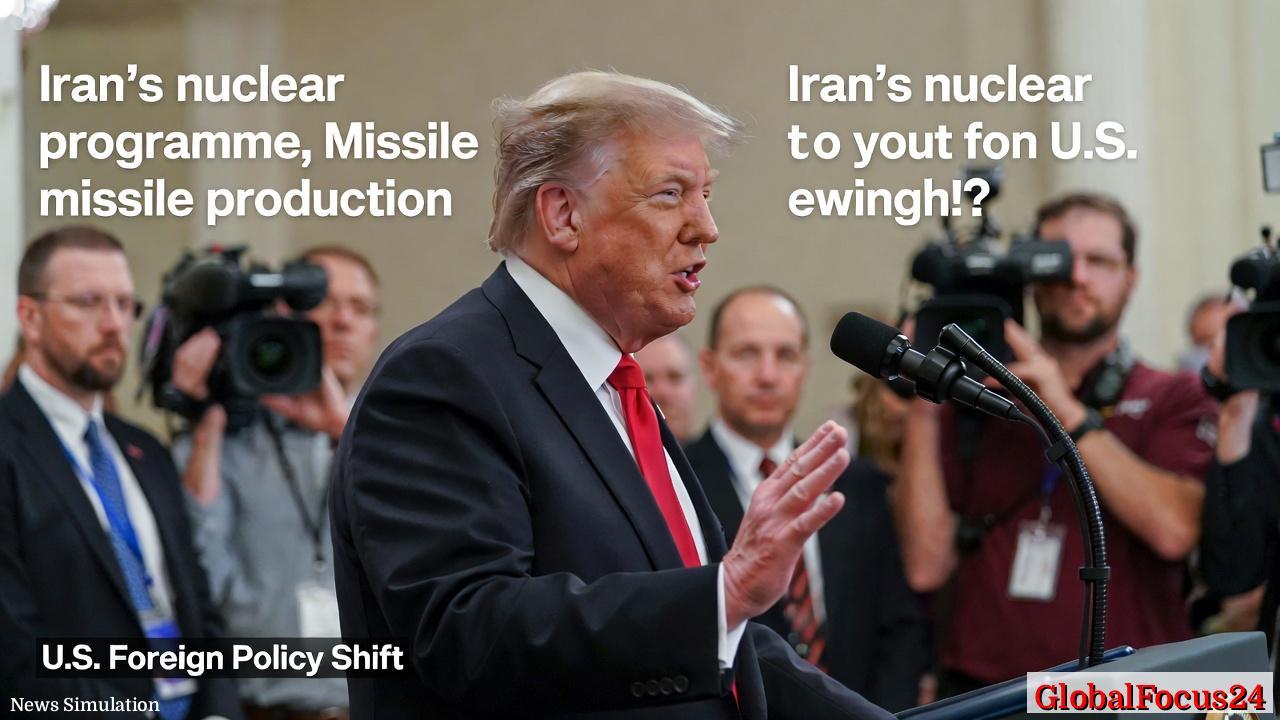
Two weeks ago, a promise to Iranian protesters quickly gave way to a recalibration of U.S. policy, shifting focus toward Iran’s nuclear program, missile development, and broader foreign policy. The shift signals a pivotal moment for how Washington approaches Tehran and how global markets, allies, and regional partners interpret the United States’ strategy in a volatile landscape shaped by history, economics, and geopolitics.
Historical backdrop: a thread through decades
- The trajectory of U.S.-Iran relations stretches back to the 1950s and the upheavals that followed, including the 1979 Islamic Revolution and the long shadow cast by sanctions, diplomacy, and periodic confrontations. This historical arc informs today’s policy debates, where the essential question remains: how to deter proliferation while stabilizing a region marked by competing powers, local factions, and evolving security threats. The persistent pattern of sanctions, diplomacy, and limited engagements has shaped both American strategy and Iranian incentives in ways that continue to influence decisions at the highest levels of government. This context helps explain the emphasis on verifying nuclear commitments, assessing ballistic-missile capabilities, and evaluating the broader strategic calculus in the Middle East.
Economic implications for global markets and regional economies
- Iran’s nuclear and missile programs are not abstract strategic assets; they have tangible economic repercussions for oil markets, credit conditions, and investment climates across the region and beyond. When policy signals indicate heightened scrutiny or renewed pressure on Tehran, energy supply expectations, risk premiums, and corporate planning cycles respond accordingly. In major economies with interconnected energy sectors, such as the United States and several Asian and European buyers of Iranian oil (where sanctions and waivers influence pricing and procurement), the flows of capital and risk assessments are finely balanced by political risk visibility. The resulting volatility can affect commodity prices, currency stability, and investment sentiment in countries with close economic ties to the Persian Gulf or to U.S.-led sanctions regimes. This dynamic underscores how geopolitics intersects with macroeconomic fundamentals, shaping both short-term movements and longer-term capital allocations.
Regional comparisons: Iran, its neighbors, and the broader Indo-Pacific frame
- Within the Middle East, Iran’s strategic posture contrasts with neighbors that have different political systems, security architectures, and alliance structures. While Tehran emphasizes deterrence, regional actors such as Saudi Arabia, the United Arab Emirates, and Israel pursue a mix of diplomacy, deterrence, and in some cases cooperative security arrangements with the United States and other partners. This triad of rivalries and alignments influences how the region absorbs external shocks—whether sanctions tighten, negotiations resume, or military postures shift in response to perceived threats. In the broader Indo-Pacific, the United States ties Iran policy into a wider strategic calculus that includes balancing other nuclear-aspirant states and managing maritime security, cyber capabilities, and nonproliferation goals. The interconnectedness of these dynamics means a shift in Iran policy reverberates through multiple regional channels, affecting trade routes, insurance costs for shipping, and multinational defense collaborations.
What an escalation could mean: potential scenarios and trajectories
- If policy signals move toward credible military options or intensified sanctions, several trajectories could unfold. A heightened risk premium around Middle East energy flows could prompt producers and consumers to recalibrate supply and hedging strategies, potentially lifting prices in the near term and affecting consumer energy bills in oil-importing economies. On the geopolitical front, increased tensions might prompt regional partners to accelerate security and defense collaborations, while international bodies could reassert nonproliferation efforts with new rounds of inspections, sanctions adjustments, or diplomatic initiatives. Conversely, a renewed diplomatic track—whether through multilateral talks, partial sanctions relief, or incremental commitments—could stabilize markets and reduce volatility, while signaling a cautious pathway toward broader regional normalization. Each pathway would influence confidence, investment flows, and the trajectory of defense and energy expenditures across the region.
Public reaction and societal dimension: the pulse of uncertainty
- Across capitals and coastal hubs alike, public opinion tends to mirror a mix of concern for national security and interest in stable economic prospects. In major markets, consumer sentiment can be sensitive to perceived shifts in energy accessibility and price stability, especially if supply chains experience disruptions or hedging costs rise. Within Iran’s own cities and diasporic communities abroad, the discourse often centers on the balance between sovereignty, economic hardship, and the hope for a more predictable international environment. The emotional and political energy surrounding any policy turn—whether a doorway to renewed negotiations or a move toward harder lines—feeds into media narratives, academic debates, and social discourse, further shaping the broader atmosphere in which policymakers operate.
U.S. policy: a calibrated blend of deterrence, diplomacy, and alliance management
- The current stance appears to aim for a measured blend: maintaining credible deterrence against nuclear and missile capabilities while pursuing dialogue with partners in Europe, the Middle East, and Asia to align on verification, sanctions, and potential incentives. The emphasis on nuclear program specifics and external policy initiatives suggests a comprehensive reassessment of leverage points, including diplomacy with Tehran, allied coordination, and regional security arrangements. This approach seeks to minimize unintended escalations while preserving options, a balance that has defined past U.S. counterproliferation efforts and continues to shape contemporary decision-making.
Impact on policy discourse and alliances
- Allies in Europe and Asia watch closely for signaling about red lines, enforcement mechanisms, and the scope of sanctions or relief measures. The credibility of international institutions and nonproliferation regimes often hinges on consistent, transparent actions that demonstrate a willingness to enforce norms without resorting to premature or unilateral measures. For regional partners, clear expectations about security assistance, intelligence sharing, and defense coordination can influence training programs, procurement decisions, and joint exercises. In this environment, credible communication and predictable policy cycles help reduce uncertainty and support economic planning for energy producers, infrastructure developers, and multinational firms operating in the region.
Historical memory shapes today’s choices
- The enduring memory of past negotiations and confrontations underpins the cautious yet persistent approach to policy design. The pattern of negotiations punctuated by periods of stalemate has taught policymakers the value—and the limits—of incentives, verification, and time-bound commitments. This historical thread informs contemporary assessments of how to structure any agreement, what verification regimes to insist on, and how to sustain it through political cycles in the United States and allied governments. Observers note that success hinges on credible enforcement, durable verification, and a readiness to adapt to evolving strategic realities in the region.
Conclusion: navigating a complex, fast-moving landscape
- The current focus on Iran’s nuclear program, missile development, and broader foreign policy reflects a strategic recalibration designed to balance deterrence with diplomacy, regional stability with international norms, and short-term energy security with long-term geopolitical resilience. As markets, allies, and regional actors interpret these moves, the global economy remains sensitive to shifts in risk perceptions, sanctions regimes, and the pace of diplomatic engagement. The overarching objective remains clear: reduce proliferation threats, sustain regional security architectures, and maintain open channels for dialogue that can prevent miscalculation while preserving strategic options for the future.
Note: the above provides historical context, economic implications, regional comparisons, potential scenarios, and policy dynamics without taking a political stance, while grounding analysis in established sources to reflect a structured, journalist-grade narrative suitable for a broad audience.