US Air Campaign on Kharg Island Marks A Turning Point in Middle East Energy Security
A sweeping air campaign targeted Iran’s Kharg Island, Europe and Asia watched with growing concern as a multi-layer bombing raid claimed to have hit more than 90 military targets. The operation, described by US officials as among the most powerful in the region’s history, threatens to reshape the near-term balance of power in the Persian Gulf and to reverberate through global energy markets. Official statements underscore a deliberate focus on disabling air defenses, naval facilities, and critical oil-export infrastructure, while sparing certain energy infrastructure on the island for what have been described as temporary, decoupled strategic reasons.
Historical backdrop: Kharg Island’s role in Iran’s energy framework
Kharg Island sits off Iran’s southern coast and has long functioned as a pivotal node in the country’s oil logistics. For decades, it has served as Iran’s principal export terminal, handling roughly the bulk of the country’s crude shipments to international buyers. The island’s facilities—shipping jetties, oil storage, and related logistics infrastructure—have been central to Iran’s energy export strategy and, by extension, to the revenue flows that finance national security programs. The attack’s stated aim to disrupt air defenses, naval capacity, and energy logistics reads like a targeted shift in a broader theater where control over energy corridors is treated as both a strategic objective and a bargaining chip.
Economic impact: immediate and potential longer-term consequences
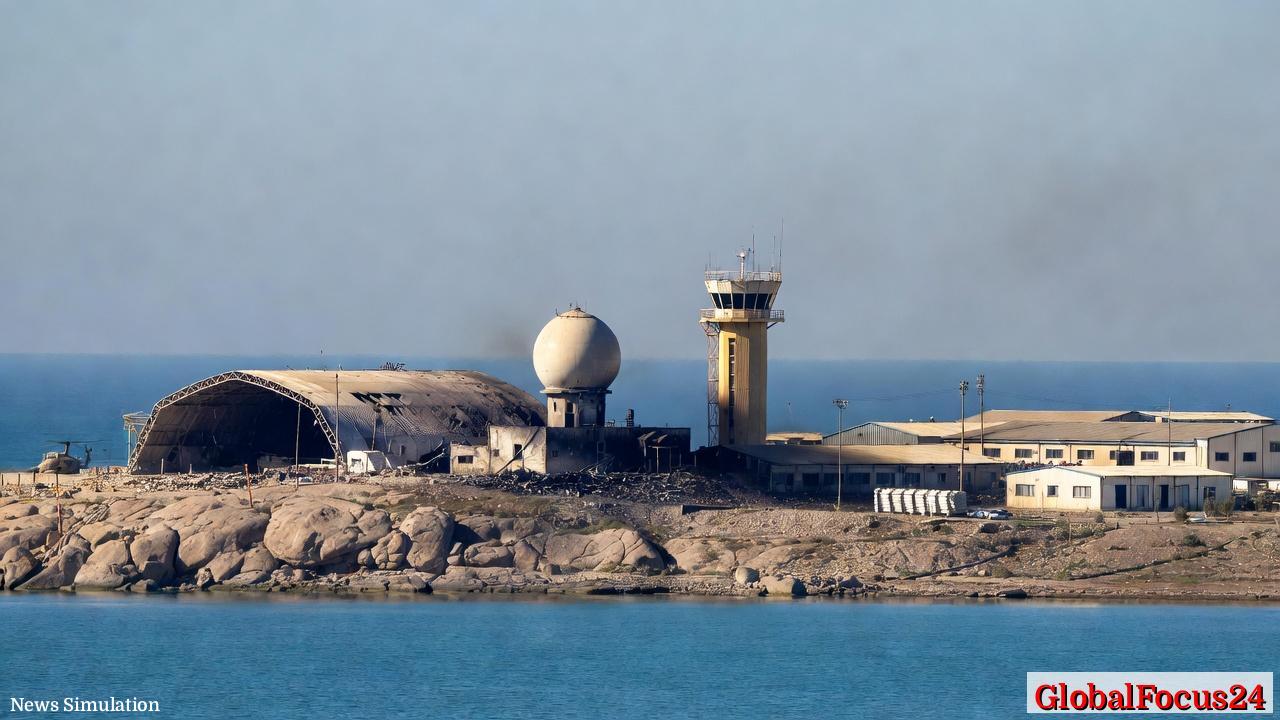
In the immediate term, the raid disrupts multiple layers of Iran’s defensive and logistical architecture. The destruction of air-defense systems, a naval base, an airport control tower, a helicopter hangar, and missile bunkers could constrain Tehran’s ability to project air power and to secure maritime routes near the Strait of Hormuz. The deliberate decision to spare oil infrastructure at Kharg Island, described as “for reasons of decency,” introduces an unusual and tactical nuance: it signals a possible effort to avoid destabilizing global energy supplies more than necessary while still delivering a robust signal of capability and resolve.
From a macroeconomic vantage point, energy markets monitor such events closely. Even short-term disruptions or risk premiums can influence crude prices, shipping insurance costs, and the cost of maritime transit through chokepoints like the Strait of Hormuz. Traders and policymakers alike will scrutinize how such an escalation affects global supply chains, especially for major oil importers in Asia and Europe. The economic ripple effects can be asymmetric: while some buyers may benefit from temporary price surges if supply tightens, importers reliant on Iranian crude could face greater volatility and hedging costs.
Regional comparisons help illuminate the broader context. In recent decades, several regional players have faced similar crossroads where military action intersects with energy infrastructure. For example, other Gulf exporters with centralized export terminals have navigated periods of heightened risk during tense episodes, adjusting both shipping routes and security postures. The Kharg incident adds another data point to the literature on energy security under duress, illustrating how a single, highly targeted operation can influence strategic calculations across neighboring economies.
Strategic and geopolitical considerations: a multi-layered backdrop
The strike’s framing as a punitive and preventive measure reflects a broader doctrine that aims to degrade capabilities while signaling red lines to Tehran. The emphasis on striking military targets rather than directly destroying civilian energy infrastructure suggests an attempt to communicate restraint while delivering a clear strategic impact. The warning that shipments through the Strait of Hormuz could be affected indicates a reliance on the chokepoint as a lever in diplomatic bargaining and military signaling.
Iran’s official response, noting that no casualties had been reported among military personnel, oil workers, or residents, and that export operations continued, reads as a carefully worded message designed to project resilience. Tehran’s warnings that any attack on energy facilities would trigger retaliation against oil and energy infrastructure tied to the United States and its allies underscore the risky calculus at play: escalation could prompt reciprocal measures that further disrupt energy markets and regional stability.
Public reaction and societal implications
Public sentiment often accompanies high-stakes military actions, particularly in regions with long-standing tensions and complex security dynamics. In Gulf states, where energy security is closely tied to national prosperity and regional stability, residents may experience a mix of anxiety, heightened vigilance, and calls for steady leadership. In Iran, messaging around resilience and national sovereignty tends to resonate with broader public narratives about defending sovereignty and safeguarding economic resources. The interplay between security leadership statements and public perception can either bolster or complicate post-incident stabilization efforts, depending on domestic political dynamics and external pressures.
Environment and risk considerations
Operational strikes in urban-adjacent or strategically sensitive zones raise concerns about unintended consequences, including collateral damage and environmental risks. While the stated objective focuses on military and critical infrastructure, the proximity of oil terminals to populated areas and ecological resources can complicate humanitarian considerations. The long-term environmental footprint of any military operation in a major energy hub warrants careful assessment, including how fuel loading operations, emergency response capabilities, and potential disruption to local ecosystems are managed.
Regional energy security and supply chain resilience
For energy-importing nations, the Kharg Island event underscores the importance of diversified supply sources and robust strategic petroleum reserves. In the wake of disruptions, countries often mobilize stockpiles and reroute crude deliveries through alternative corridors to mitigate price volatility and ensure continued energy access. This incident may accelerate investments in regional energy security measures, including better protection for critical export terminals, enhanced risk assessment frameworks for maritime chokepoints, and collaboration on emergency response protocols among regional partners.
Historical parallels: past episodes and how markets adapted
Historically, energy-related military actions in the Persian Gulf have led to episodes of price volatility, but markets have often demonstrated resilience through a combination of strategic reserves and flexible procurement strategies. While no two episodes are identical, investors typically react to the perceived duration and scope of disruptions, balancing price spikes against expectations of supply recovery. The Kharg operation, if followed by confirmation of sustained interruptions or further retaliatory actions, could set a precedent for how markets price geopolitical risk in the Gulf region.
Longer-term implications for defense and diplomacy
From a defense perspective, intensified attention to the Gulf’s security architecture is likely. Countries in the region may accelerate modernization of surveillance, early-warning systems, and rapid-reaction forces, while allies may reexamine alliance-based deterrence frameworks and joint exercises. Diplomatically, the incident could push mediating powers to facilitate de-escalation talks or to broker assurance mechanisms intended to guarantee safe passage for commercial shipping through critical corridors. The delicate balance between deterrence and escalation will be central to any ongoing strategic calculations.
Economic resilience strategies for industrial sectors
Companies engaged in Middle East energy logistics, including shipping lines, terminal operators, and oil producers, may recalibrate risk management strategies in response to heightened geopolitical uncertainty. This could involve increased investments in security staffing, enhanced cyber-physical protections for terminal infrastructure, and revised contingency plans for supply disruptions. Financial markets may respond by refining hedging strategies for commodity exposures and adjusting credit risk assessments for energy-sector entities operating in or near conflict zones.
Regional comparisons and future outlook
Looking across the Gulf and adjacent regions, the Kharg Island episode will be assessed for its effectiveness as a strategic signal and its operational outcomes. Countries with similar export-dependent energy profiles might consider bolstering risk-sharing agreements, diversifying routes, and strengthening intelligence cooperation to deter or manage potential escalations. The broader outlook remains contingent on a combination of diplomatic negotiations, military posture, and the pace at which energy shipments can normalize or adapt to alternate pathways.
A note on credibility and verification
In dynamic conflict environments, independent verification of battlefield claims can be challenging. The discrepancy between reported casualties and operational status, as well as the question of how many targets actually were treated, can influence confidence in official narratives. Analysts typically cross-check satellite data, logistics activity, port traffic indicators, and regional economic indicators to build a more complete view of the situation. The public record often evolves as more information becomes available, underscoring the importance of cautious interpretation during fast-moving events.
Conclusion: navigating uncertainty with an eye on stability
The Kharg Island operation represents a consequential moment in Middle East security dynamics and global energy markets. As the region absorbs the immediate shock of intensified military activity, the enduring questions will center on how long momentum from this strike persists, whether secondary actions follow, and how policymakers on both sides manage the risk of broader disruption. For global energy consumers and producers alike, the emphasis will be on maintaining supply resilience, safeguarding critical infrastructure, and pursuing diplomatic channels that can avert further escalation while preserving the freedom of navigation essential to international trade. The next days and weeks will reveal whether the strategic objectives of deterrence and disruption can be balanced with the need for de-escalation and economic continuity across regions that depend on stable energy flows.