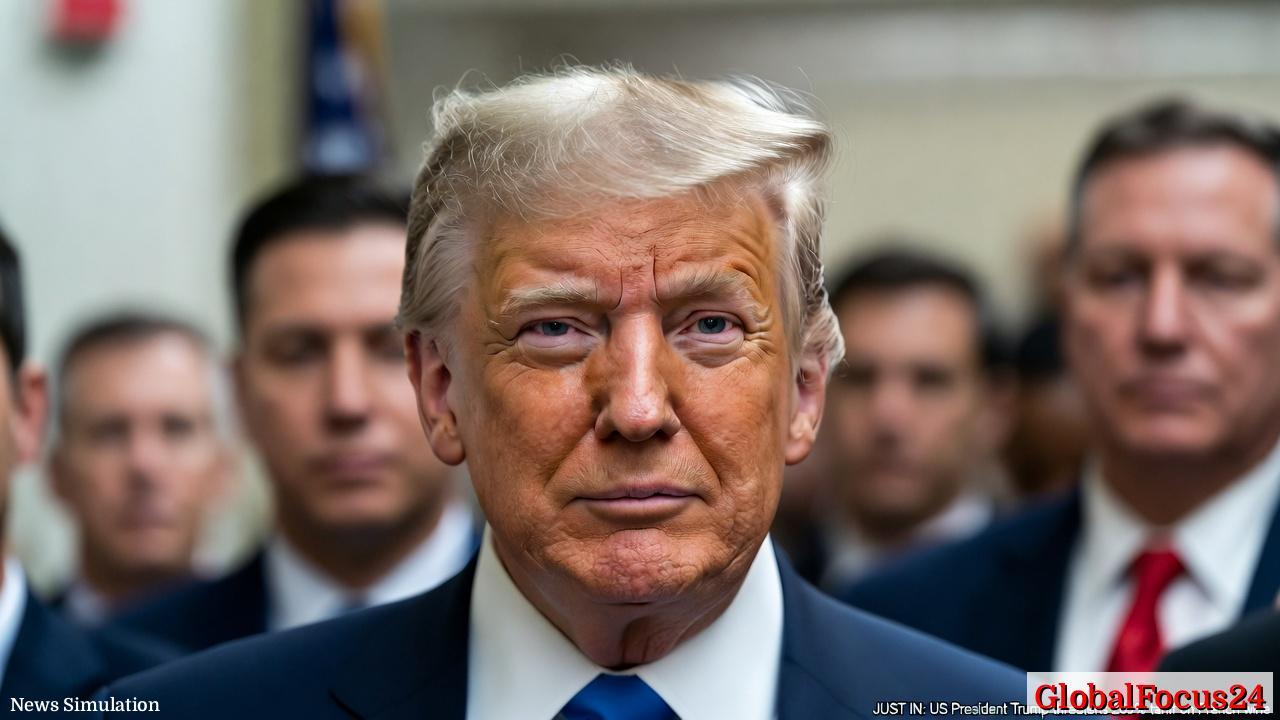
Trump Threatens 200% Tariff on French Wine Amid Rising Diplomatic Rift
Growing Tensions Between Washington and Paris
A deepening rift between the United States and France has escalated after President Donald Trump threatened to impose a 200% tariff on French wine, a move that could strain one of the world’s most lucrative and symbolic transatlantic trade relationships. The threat, delivered amid reports that French President Emmanuel Macron declined an invitation to join a newly proposed international “Board of Peace,” marks the latest clash in a relationship historically defined by cooperation but increasingly marred by economic and political friction.
The proposed tariff, if enacted, would dramatically impact the global wine market. France remains the second-largest exporter of wine worldwide, and the United States is one of its primary markets. In 2024, French wine sales to the U.S. surpassed $2.2 billion, representing roughly 15% of France’s total wine exports. A 200% levy would more than triple prices on bottles of Bordeaux, Champagne, and Burgundy sold to American consumers, potentially transforming the wine aisles of U.S. retailers and restaurants.
A History of Transatlantic Trade Frictions
Tensions over trade between the two nations are not new. Previous U.S. administrations, both Republican and Democratic, have sparred with France over agricultural policies, digital taxes, and defense spending. However, tariffs on iconic exports such as wine evoke powerful national sentiments in France, where wine is not merely a product but a cornerstone of cultural identity and economic heritage.
In 2019, the Trump administration placed tariffs on French wine and cheese in retaliation for France’s digital services tax targeting American tech companies. Those duties were later suspended in favor of negotiations through the Organization for Economic Cooperation and Development (OECD). The current threat reignites old wounds and underscores how quickly trade diplomacy can turn volatile.
The Macron Factor and Diplomatic Fallout
According to French media, the latest conflict began after President Macron declined to accept a symbolic seat on the so-called “Board of Peace,” a diplomatic initiative promoted by Trump as a global forum for cooperative conflict resolution. French officials reportedly viewed the invitation as politically motivated and inconsistent with France’s current foreign policy priorities. While Macron’s office has not commented publicly, sources close to the Élysée Palace have described the U.S. reaction as “disproportionate and regrettable.”
For Trump, the dispute appears as much about prestige as policy. He has often framed his trade initiatives as efforts to correct what he calls “unfairness” in global commerce, particularly targeting European producers for benefiting from lower tariffs and subsidies. In remarks to reporters, he stated that “France needs to treat the United States with respect” and suggested that “American wine is just as good, maybe better.”
Economic Stakes for Both Countries
Economists warn that a 200% tariff could ripple far beyond the luxury wine market. Smaller importers and distributors in the United States would face steep increases in costs, potentially forcing them to shift to alternative suppliers from Italy, Spain, or domestic vineyards in California, Oregon, and Washington. For American consumers, the outcome could mean dramatically higher prices for French labels or the disappearance of certain vintages altogether.
In France, producers already struggling with declining global demand and climate-driven harvest challenges could face a severe blow. Vineyards in Bordeaux, Burgundy, and the Rhône Valley depend heavily on U.S. buyers. Export losses could be compounded by sluggish growth in Asia and a European market saturated with competing producers.
Jean-Luc Martin, an oenologist in Bordeaux, voiced widespread industry concern: “We survived tariffs before, but a 200% duty would be catastrophic. The American market sustains thousands of vineyard jobs. Losing it overnight would devastate families and regions.”
Global Context and Comparative Reactions
The tariff threat arrives as global trade tensions continue to intensify. The European Union has faced a series of commercial disputes with the U.S. over steel, aircraft subsidies, and digital taxation. Yet France’s unique position as both a cultural powerhouse and agricultural exporter makes this latest conflict particularly sensitive.
Within Europe, reactions have ranged from cautious solidarity to quiet concern. Italian and Spanish winemakers, potential beneficiaries of redirected American demand, remain reluctant to comment publicly, aware that any short-term gains could provoke long-term instability in the single market. Meanwhile, Brussels officials have hinted that the EU would “respond firmly” if Washington enacts the tariff, raising the possibility of reciprocal measures on U.S. goods such as whiskey or agricultural exports.
Across the Atlantic, U.S. industry groups have expressed alarm. The Wine & Spirits Wholesalers of America warned in a statement that higher tariffs would “inflict unnecessary pain on American businesses and consumers,” while the U.S. Chamber of Commerce urged both sides to “seek diplomatic solutions, not economic escalation.”
Impact on the American Wine Industry
Ironically, the measure could yield mixed results for American wineries. Producers in California’s Napa Valley and Oregon’s Willamette Valley might experience a short-term boost as import alternatives rise in price. However, industry analysts caution that the globalized nature of the wine trade makes tariffs a double-edged sword.
Many U.S. wineries rely on French barrels, equipment, and yeast strains, which could also become more expensive under retaliatory duties. Moreover, competition in the domestic market may intensify, as price-sensitive consumers shift away from premium categories. “It’s a fragile ecosystem,” said Michael Hart, an industry consultant based in Sonoma. “When you disrupt one link in the chain, the effects travel fast.”
Historical Parallels and Symbolic Dimensions
The history of Franco-American trade tension stretches back centuries, from disagreements over maritime commerce in the 18th century to agricultural disputes under postwar economic pacts. Yet few products embody the relationship’s symbolic complexity as vividly as wine. When former U.S. Presidents toasted French leaders with Champagne, it was a gesture of mutual respect and shared heritage. Now, that gesture risks turning sour.
Trade historians note that tariffs on luxury goods often carry significance beyond their financial impact, serving as signals of broader diplomatic frustration. “Wine is France’s ambassador to the world,” says historian Claire Delattre of the Sorbonne. “To tax it so heavily is not just an economic message—it’s a cultural one.”
The Broader Economic Landscape
This dispute adds uncertainty to an already fragile global economy. Both the U.S. and France are grappling with slowing growth, rising inflation, and the lingering aftershocks of pandemic-era supply disruptions. A trade war between two G7 economies could rattle financial markets and complicate efforts by central banks to stabilize currencies and control prices.
Analysts suggest that global investors are paying close attention. European agricultural equities, particularly those tied to French cooperatives, dipped in early trading following Trump’s announcement. In the U.S., import distribution companies saw similar volatility, reflecting concerns about deteriorating trade conditions.
Diplomatic Prospects and Possible Resolutions
Despite the heated rhetoric, both sides have an incentive to avoid escalation. The United States remains a major export market for European goods, and France is a key defense and intelligence partner within NATO. Experienced diplomats on both sides are likely exploring quiet channels to defuse tensions before they trigger lasting economic damage.
Past crises provide a road map for resolution. In previous disputes, compromises often involved tariff suspensions in exchange for concessions on separate policy fronts. Observers believe a similar formula could emerge again, possibly linking wine duties to discussions over France’s defense contributions or broader EU trade initiatives.
Some analysts also note that the “Board of Peace” controversy—while politically charged—may fade quickly as global priorities shift. However, the speed and intensity of Trump’s threat underline the unpredictable nature of trade politics in an election year.
Looking Ahead
For now, vineyards across France and importers across the United States watch the situation anxiously. As harvest season approaches in the Northern Hemisphere, producers must decide whether to bottle for an uncertain market or hold back in anticipation of tariff-induced chaos. Industry leaders on both sides of the Atlantic are urging calm, even as they brace for impact.
If history offers any guidance, it is that the cultural and economic ties binding France and the United States are resilient, even when strained by tariff battles. Yet beneath the vineyard sun of Bordeaux and the dining rooms of New York, few can ignore how swiftly a diplomatic slight has reignited one of the world’s oldest and most complex trade rivalries.