US Naval Build-Up in Gulf: A Detailed Look at Strategic Consequences and Regional Repercussions
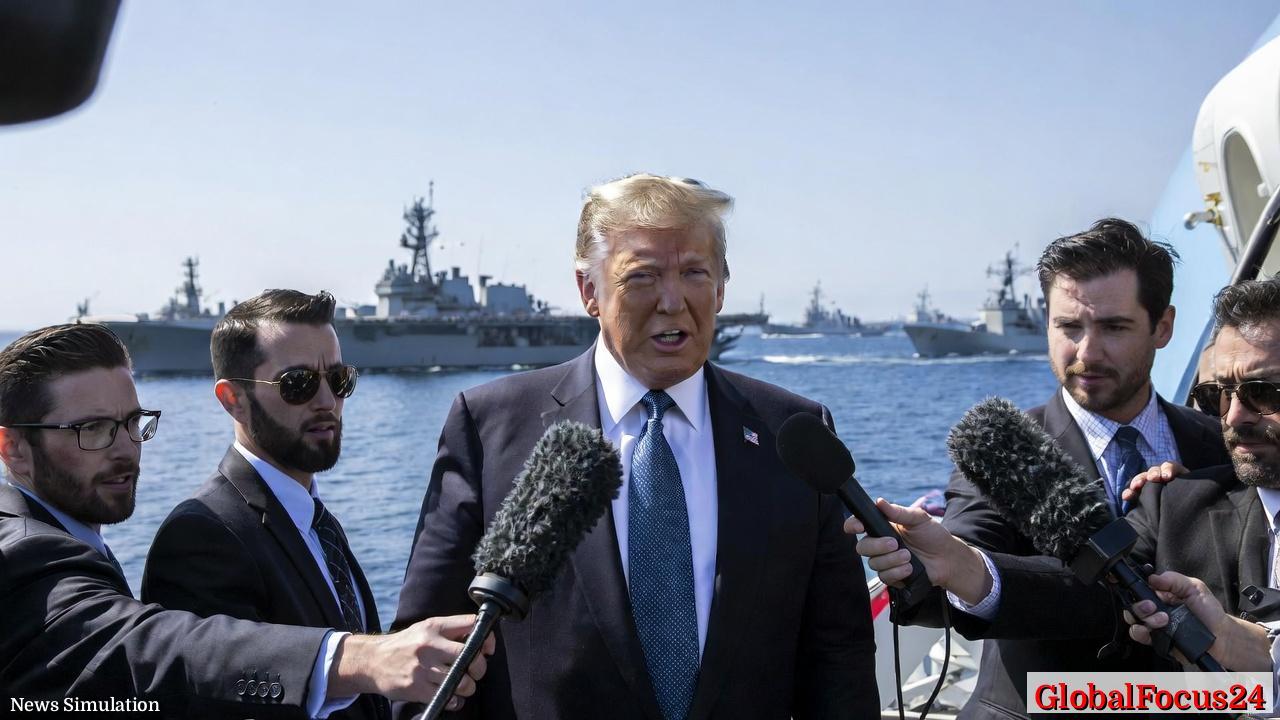
The United States is accelerating a naval build-up in the Persian Gulf region, signaling a careful but assertive posture as tensions with Iran intensify. The deployment, described by U.S. officials as precautionary rather than punitive, centers on a large carrier strike group supported by guided-missile destroyers and other escort vessels. This operational movement, unfolding over the coming days, embodies a long-running thread of post-9/11 security strategy: deter aggression, protect sea lanes, and demonstrate credible power to avert crisis escalation.
Historical Context: From the Gulf War to a Modern Maritime Deterrence Regime
To understand the current maneuver, it helps to revisit the maritime dynamics that have shaped the Gulf for decades. Since the early 1990s, the U.S. Navy has maintained a persistent presence in the region to safeguard oil transit routes and deter regional adversaries. The Persian Gulf contains some of the world’s most strategic chokepoints, including the Strait of Hormuz, where a significant share of global crude and refined petroleum passes through each day. In the era following the Iran nuclear deal and subsequent U.S. withdrawal, the balance of naval power in the region has often leaned toward a show of force rather than large-scale combat operations, with carriers and carrier strike groups serving as both power projection platforms and political signals.
Over the years, episodes of heightened tension—ranging from close-quarters incidents to confrontations at sea—have underscored the risks inherent in any sudden miscalculation in this theater. The current deployment follows a pattern of calibrated pressure and signaling: the goal is to prevent violence, deter destabilizing actions, and preserve open channels for diplomacy, even as military readiness remains high. Historical precedent suggests that such deployments can alter the calculus of regional actors, contributing to a pause in provocative behavior while keeping open the possibility of negotiated outcomes.
Economic Impact: Short-Term Market Reactions and Long-Term Energy Security
Given the Gulf’s central role in global energy markets, a significant naval movement can ripple through financial and commodity markets. In the immediate term, political risk assessments and energy price expectations become more sensitive tos about potential conflict. Markets tend to react to perceived shifts in supply risk, even when the deployment is framed as precautionary. Traders monitor indicators such as shipping lane security, insurance premiums for tankers transiting high-risk waters, and forward curves for crude and refined products.
In the broader view, naval deterrence in this region has lasting implications for energy security and industrial planning. If a prolonged period of elevated tensions discourages investment in Gulf energy infrastructure, even temporarily, the effect could be felt through higher production costs or longer-term capital allocation decisions. Conversely, a stable deterrence posture that reduces the likelihood of disruption can reinforce confidence in energy supply chains and support market stability.
Regional Comparisons: How Nearby Powers Respond to Maritime Deterrence
Within the broader Middle East and adjacent regions, neighboring maritime powers weigh their own strategic calculations against the United States’ presence. Saudi Arabia, the United Arab Emirates, and Oman rely on steady, protected supply routes and secure access to global markets. Their responses to a US naval deployment are often multipronged: they reinforce protective measures around critical ports, coordinate with coalition partners on sea lane security, and maintain readiness to participate in regional dialogues aimed at de-escalation.
Iran’s perspective is shaped by four interlocking concerns: ensuring continuity of oil export options, preserving regime legitimacy, deterring external military action, and managing internal stability. Tehran has historically diversified its approach to diplomacy and pressure, alternating between periods of overt confrontation and measured engagement, depending on perceived external threats and internal pressures. The current move by the United States sits within that gambit, signaling resolve while leaving space for negotiation if conditions shift.
Security Dynamics: Deterrence, De-Confliction, and Crisis Management
At the core of this event is a triad of strategic objectives: deterrence of provocative actions, de-confliction to prevent missteps, and preparedness for crisis management if escalation occurs. Deterrence rests on credible capability: the deployment of an aircraft carrier strike group, backed by destroyers and support ships, communicates to Iran and regional actors that the United States is ready to respond if violence or destabilizing moves intensify. De-confliction channels—hotlines, maritime coordination centers, and established protocols—remain essential tools to reduce the chance of accidents or misunderstandings in busy waterways. Crisis management plans, including coordinated responses with regional allies and fleet logistics, ensure rapid decision-making if tensions flare.
Public Reaction and Human Dimension: Voices from the Home Front and in the Region
Public reaction to such deployments often blends concern, calls for de-escalation, and affirmations of national security. In regional capitals, policymakers emphasize the need to protect civilians, maintain energy stability, and preserve prospects for dialogue with Tehran. Civil society and business communities, while wary of conflict, also highlight the importance of reliable energy markets and predictable maritime commerce. Journalists, defense analysts, and researchers track this unfolding story with a focus on outcomes: whether diplomatic channels can be kept open, whether economic mechanisms can cushion shocks, and how alliances evolve in response to changing threats.
Strategic Implications: The Balance Between Forward Presence and Diplomatic Leverage
Forward naval presence remains a cornerstone of U.S. security strategy in the Gulf. The carrier strike group, with its versatility in air power projection, air defense, and maritime patrol, enhances options for both deterrence and rapid response. Yet, this posture must be balanced with ongoing diplomacy, regional engagement, and economic considerations that address the underlying drivers of tension. Long-term stability in the Gulf benefits from diversified security partnerships, transparent military communications, and confidence-building measures that reduce the risk of inadvertent escalation.
The role of regional partners grows increasingly prominent as well. Multilateral exercises, intelligence sharing, and joint flag-level discussions contribute to a more resilient security architecture. These efforts help reduce dependence on any single entity for regional stability and encourage a more cooperative approach to ensuring safe sea lanes, countering illicit activity, and managing crises should they arise.
Environmental Considerations: Maritime Operations in a Sensitive Ecosystem
Beyond geopolitics and economics, the Gulf region faces significant environmental considerations related to high-intensity naval operations. Increased vessel traffic, potential accidents, and the risk of incidents involving fuel and hazardous materials require robust response capabilities and adherence to environmental standards. Regional authorities and international partners emphasize the importance of spill response readiness, sustainable port practices, and careful monitoring of maritime pollution in a corridor that includes several ecologically sensitive areas.
Technological Aspects: Modern Fleets, Modern Challenges
The current deployment leverages advanced naval technologies: integrated air and missile defense, networked sensors for situational awareness, and precision strike capabilities. The efficiency of carrier strike groups hinges on seamless coordination among air wings, surface combatants, and support ships, all supported by logistics tails that ensure fuel, ammunition, and maintenance are continually available. The complexity of modern naval operations requires ongoing training, robust maintenance cycles, and adaptive tactics to handle evolving threats in the region, including potential cyber and electronic warfare challenges.
Regional Economic Diversification: Why Stability Matters for Growth
For Gulf economies and their neighbors, stability is a precondition for investment, diversification, and sustainable growth. Oil-dependent revenue models face volatility when security concerns rise, but regional initiatives aimed at diversification—energy, manufacturing, tourism, and technology—benefit from predictable security environments. Investors weigh political risk alongside macroeconomic indicators, currency stability, and the resilience of supply chains. A durable deterrence framework that prevents conflict while preserving avenues for dialogue helps create a climate conducive to long-term planning and modernization efforts.
Future Trajectories: What Comes Next in Gulf Security and Cooperation
Looking ahead, several scenarios could unfold. If diplomacy advances and de-escalation measures take hold, naval deployments might transition from signaling to deliberate disengagement, with emphasis shifting toward confidence-building steps and arms-control discussions. If provocations persist or escalate, naval demonstrations could become more frequent or dense, prompting greater regional readiness and potential allied responses. In either case, the credibility of deterrence, the reliability of supply chains, and the stability of energy markets will depend on steady leadership, transparent communications, and reinforced international norms against escalation.
Regional Comparisons: Learning from Other Hotspots
Comparisons with other geopolitical hot spots highlight how maritime power projection operates on a global scale. In areas where naval diplomacy is more constrained, economic interdependence can reduce direct confrontation, yet the absence of a clear deterrent can invite riskier behavior by actors seeking advantage. Conversely, regions with robust alliance networks and transparent maritime governance tend to see fewer abrupt disruptions to trade despite tense politics. The Gulf’s unique combination of critical energy corridors, dense shipping traffic, and a high concentration of regional powers makes maritime security a perpetual priority.
Conclusion: A Strategic Moment in a Quietly Complex Theater
The current U.S. naval movement toward the Gulf represents a measured, strategic response to a volatile security environment. It embodies a philosophy of deterrence tempered with diplomacy, a recognition that secure sea lanes underpin global commerce, and a commitment to regional stability through cooperation when possible. Whiles often spotlight the potential for conflict, the prevailing objective is to prevent it by reinforcing the credibility of restraint and the readiness to respond decisively if needed. As regional players observe the maneuver, officials on all sides are reminded that balance—between showing strength and pursuing dialogue—remains the cornerstone of durable peace in one of the world’s most consequential maritime theaters.