Trump’s Enduring Influence Colors Conservative Media Amid Feud Over Iran Policy and Media Personalities
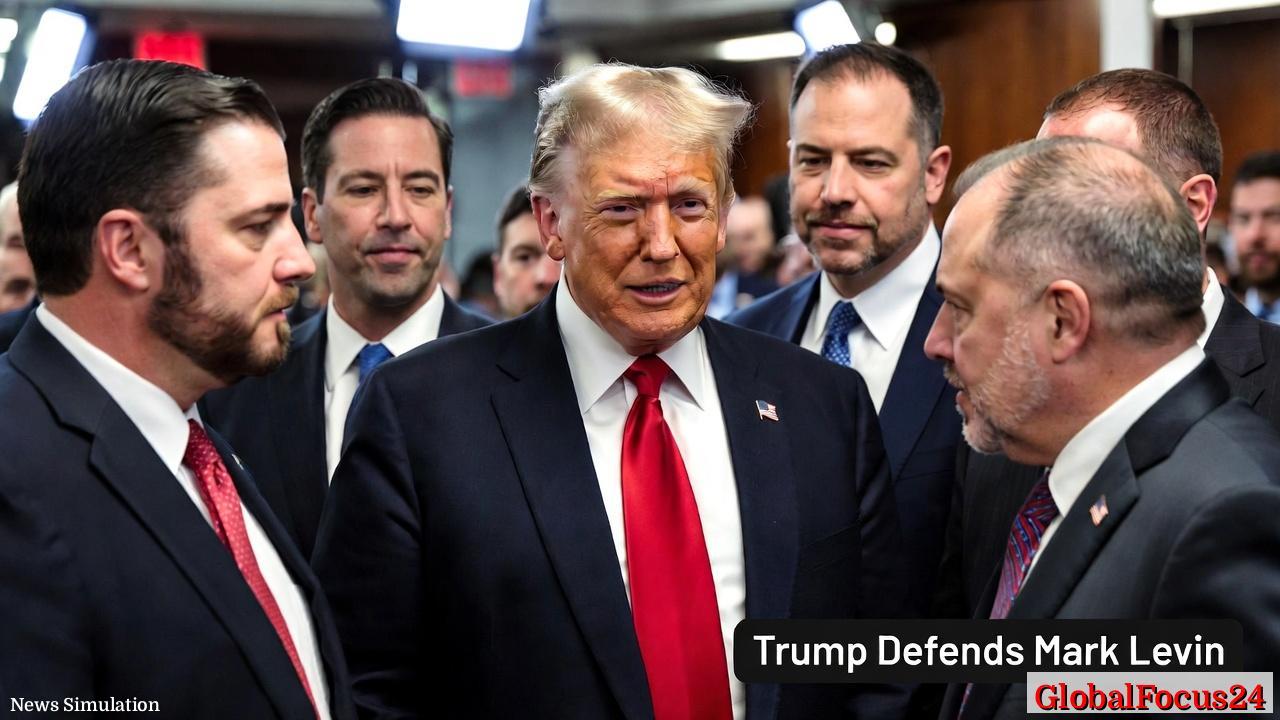
In a moment of heightened tension within conservative media, President Donald Trump has publicly lauded radio host Mark Levin as a “truly Great American Patriot,” positioning Levin at the center of a broader conversation about intellectual leadership, media influence, and policy stance on Iran. The exchange, which included sharp exchanges with podcaster Megyn Kelly, underscores how personal branding, political loyalty, and strategic messaging interact in shaping conservative audiences ahead of the next political cycle.
Historical Context and Media Ecosystem The current flare-up sits within a long-running pattern in American political media: prominent figures on the right leverage personal credibility to influence public opinion, while rival commentators push back with a blend of rhetorical criticism and strategic media maneuvers. Levin, a veteran radio voice and author who has built a reputation for his constitutional frequentist tone and steadfast support for Israel, occupies a space that many listeners regard as a steady compass amid rapid news cycles. Kelly, a former primetime anchor and now independent media personality, represents a different segment of the conservative-media landscape—one that emphasizes aggressive critique, cross-platform reach, and a more provocative style.
The Trump endorsement, paired with Levin’s response praising “courage, strength and moral clarity,” reinforces the enduring appeal of political endorsements as signals of alignment and confidence. Historically, endorsements from a sitting or former president can shift audience perception, particularly within factions that prize loyalty, shared worldview, and a sense of urgency about national security issues. The current moment also reflects an ongoing debate within the movement about how to balance hardline stances on Iran with broader geopolitical considerations, including regional stability, allied coalitions, and public sentiment at home.
Economic and Market Impacts Beyond rhetoric, the dynamics among high-profile conservative voices can shape market behavior, political giving, and donor confidence. Media personalities with substantial listener and viewer bases influence advertising demand, subscription dynamics, and sponsorship investments. A sustained stream of controversy or unity around a single figure can boost engagement metrics, driving short-term revenue through program sponsorships and digital platform monetization. For policy-oriented audiences, the perceived credibility of hosts and their stated positions on national security issues—such as Iran’s nuclear ambitions—can affect the broader discourse on defense spending, sanctions regimes, and diplomatic initiatives.
Regional comparisons highlight how similar media ecosystems function in other major markets. In portions of Europe and the Asia-Pacific, right-leaning commentary often travels through distinct but parallel channels—state-influenced media, independent outlets, and social platforms—where the currency of endorsement and personal branding can similarly shift political momentum. Within the United States, however, the domestic audience’s intimate familiarity with media personalities and the central role of national security as a political issue magnify the impact of these exchanges.
Policy Framing: Iran, Nuclear Deterrence, and Regional Security The discourse surrounding Iran’s nuclear ambitions remains a central topic for conservative commentators. The president’s assertion that Iran represents a “sick, demented and violent terrorist regime” reflects a perception shared by many in Washington’s foreign policy circles that a nuclear-armed Iran would escalate risks across the Middle East and beyond. Within conservative media, the framing often emphasizes deterrence, warning against concessions that could embolden Tehran, while advocating for robust sanctions, military readiness, and allied coordination with Israel and regional partners.
From an analytical standpoint, observers track how such framing interacts with public sentiment and policy options. On one hand, strong rhetoric can mobilize support for hardline diplomacy or escalation of sanctions; on the other hand, it can contribute to perceived risk of escalation or miscalculation if not paired with clear, feasible strategies. The current situation illustrates the delicate balance policymakers and commentators navigate when translating heated exchanges into a constructive dialogue about national security and international stability.
Public Reaction and Social Discourse Public reaction to the Levin-Kelly-Trump triangle varies across demographics, regions, and media consumption patterns. Among core conservative audiences, there is a pronounced appetite for identified leaders who articulate a clear vision and defend it with unwavering conviction. Endorsements from a former president can reinforce a sense of shared purpose, especially during times of perceived external threats and domestic political polarization. Critics, including those who advocate for more measured diplomacy, often argue that aggressive rhetoric can complicate coalition-building and undermine nuanced policy discussions.
Social platforms amplify these conversations, enabling rapid exchanges, counterpoints, and memes that propagate through fan bases with remarkable speed. This amplification can create feedback loops where audience expectations become self-reinforcing, sometimes eclipsing more nuanced policy analysis. News cycles driven by these personalities can also shape fundraising dynamics, event attendance, and the formation of informal networks that influence political outcomes.
Regional Comparisons: U.S. States and National Perspectives Within the United States, regional differences influence how audiences respond to endorsements and media tempests. Regions with strong defense industries, robust media markets, and high levels of civic engagement tend to process security-focused rhetoric with greater emphasis on policy specificity and historical context. Conversely, markets with large talk-radio ecosystems often see a louder, more personality-driven dynamic that foregrounds dramatic exchanges, slogans, and a sense of cultural identity.
Economically, these debates intersect with local industries and employment. For example, regions with significant defense contracting activity may pay closer attention to commentary on Iran and national security, given potential implications for government spending, procurement, and regional job security. In contrast, areas with diversified economies might prioritize broader concerns about domestic policy, economic growth, and the balance between security commitments and fiscal responsibility.
Journalistic Responsibility and Objectivity As coverage of media personalities and political figures intensifies, the role of professional journalism becomes increasingly critical. Objective reporting—grounded in verifiable facts, contextual analysis, and multiple perspectives—helps audiences navigate complex topics without succumbing to sensationalism. By examining the historical context, policy implications, and public sentiment, reporters can provide a balanced view that informs rather than inflames.
In reporting on intramedia dynamics, it is important to distinguish between opinion programming and factual reporting. Opinion hosts may present clear, well-argued viewpoints, but distinguishing these from factual summaries helps maintain public trust.s, framing, and editorial choices should strive to reflect the nuance of the issues at hand, especially on matters involving national security and international relations.
Historical Comparisons: Past Feuds and Their Aftermath Media feuds among prominent commentators are not new. Throughout American political history, rivalries have often coincided with moments of strategic realignment, when factions reassess leadership and messaging in light of evolving threats and opportunities. Endorsements from influential figures have occasionally served as catalysts for shifts in audience allegiance, donor support, and political momentum. While some feuds dissipate and fade, others leave lasting imprints on the media landscape and public discourse, shaping how future policy debates are framed and interpreted.
Operational Takeaways for Audiences
- Understand the context: Acknowledging the historical patterns of media endorsements helps readers assess the significance of current statements.
- Distinguish opinion from reporting: Separate commentary from factual updates to form a well-rounded understanding.
- Monitor regional implications: Regional economic and security considerations can influence how national security debates are perceived locally.
- Consider long-term effects: Media dynamics can impact policy conversations, fundraising, and coalition-building beyond immediate reactions.
Conclusion The contemporary convergence of presidential commentary, radio leadership, and independent media commentary illustrates the enduring power of trusted voices in shaping national conversations about security, diplomacy, and global stability. As audiences navigate these complex dynamics, they benefit from a clear-eyed assessment of historical context, policy implications, and regional variations. While personal narratives and provocative exchanges captivate attention, the underlying questions about Iran’s nuclear trajectory, regional stability, and the balance between security commitments and economic priorities remain central to informed public discourse. The trajectory of these discussions will likely influence both policy likelihoods and the broader direction of conservative media in the coming months and years.