Global Tariff Shift: New 10% Across-the-Board Duty Reshapes Trade Landscape
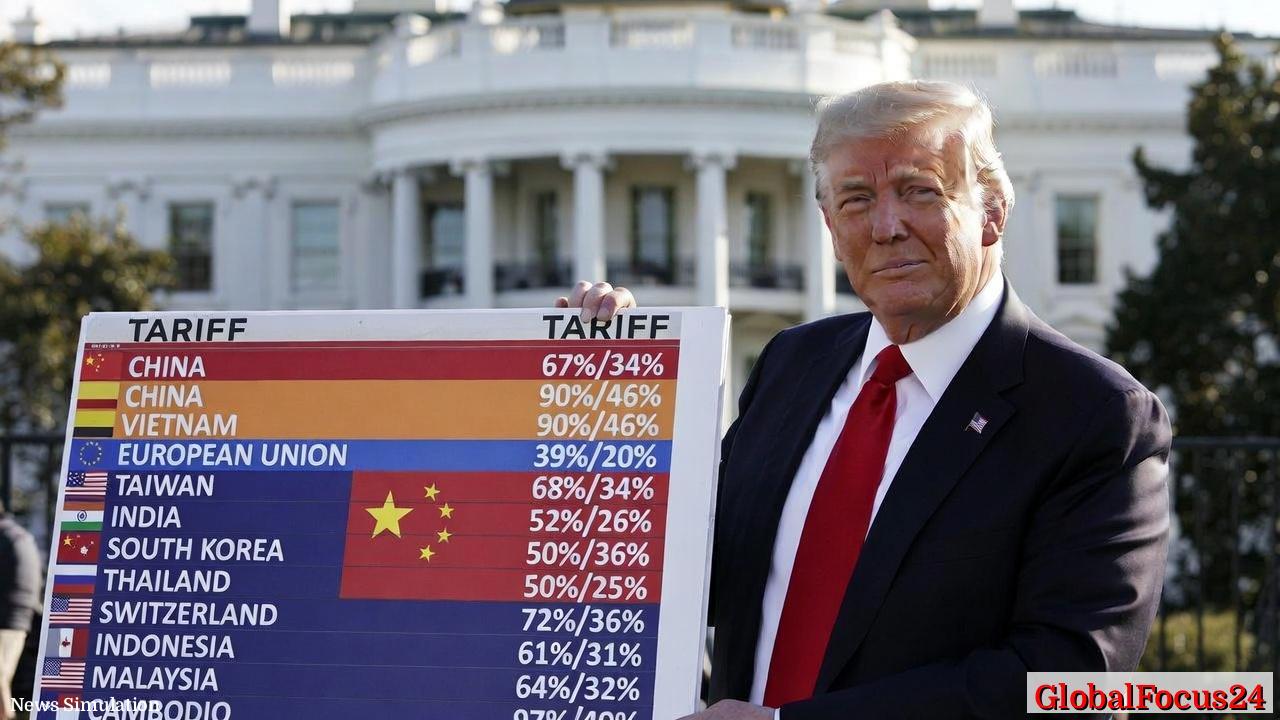
A new 10% global tariff on imports, announced by President Donald Trump and implemented with immediate effect, signals a sweeping shift in the U.S. approach to trade policy following a Supreme Court ruling that invalidated the administration’s earlier country-specific reciprocal tariffs. The decision, delivered after years of high-stakes negotiations and legal scrutiny, introduces a uniform tariff framework designed to alter cost structures for goods entering the United States, with wide-ranging implications for manufacturers, consumers, and international partners.
Historical Context: From Targeted Tariffs to a Global Approach
To understand the current move, it’s helpful to recall the arc of U.S. tariff policy over the past decade. The administration previously pursued reciprocal tariffs on a country-by-country basis, arguing that targeting specific economies would incentivize fairer practices and rebalance trade deficits. The approach relied heavily on emergency powers and discretionary authority to impose duties on a wide range of imported goods. Proponents argued that selective measures could exert leverage over large producers like China and Vietnam while signaling a broader commitment to American workers.
Critics, however, cautioned that such measures risked retaliation, supply-chain disruptions, and higher prices for consumers and domestic businesses. The Supreme Court’s ruling, which invalidated the use of emergency powers for the prior tariffs, removed a key legal mechanism, forcing policymakers to reconsider how to structure tariffs and what authorities remain permissible under U.S. law. In this context, a new uniform 10% tariff aims to restore a predictable policy framework while preserving the option to deploy targeted measures under separate statutory authorities.
Economic Impact: What Changes for Prices, Production, and Consumers
- Price transmission across goods: The new 10% tariff applies across the board, meaning a broad range of imported products—from electronics and consumer durables to industrial inputs—will experience upward pressure on prices. The degree of impact will vary by sector, depending on existing cost structures, substitute options, and the role of imported components in final goods. Sectors with tight supply chains may see amplified effects if alternative suppliers are scarce or costly.
- Manufacturer strategies: Domestic firms that rely on imported inputs may reassess supplier networks, inventory management, and product design. Some may accelerate local sourcing or regionalize supply chains to mitigate tariff exposure, while others could pass costs through to customers or absorb some of the tariff to preserve market share.
- Inflation and consumer prices: A broad tariff can contribute to short- to medium-term inflationary pressures, especially in sectors with high import penetration. Central banks and fiscal authorities will monitor price trajectories to gauge acute effects and policy responses. The overall impact on inflation will depend on currency movements, labor costs, and the pace at which firms adjust pricing.
- Trade balances and competitiveness: With a uniform tariff in place, some import-heavy industries may experience higher costs that influence competitive dynamics relative to international peers. Conversely, tariff revenue could support domestic programs or investments, depending on how the administration allocates funds. The broader effect on the trade balance will hinge on exchange rates, demand elasticity, and whether foreign producers respond with price adjustments or retaliatory measures.
Regional Comparisons: How Similar Policies Have Shaped Neighboring Markets
- North America: Within the region, integrated supply chains tie the U.S. closely to Canada and Mexico. A universal tariff framework could drive shifts in cross-border sourcing, particularly for automotive parts, electronics, and consumer goods. Companies may explore nearshoring options to reduce exposure, while policymakers consider regional incentives to maintain competitiveness.
- Europe: European manufacturers often compete on high-value segments such as machinery, automotive, and pharmaceuticals. A 10% global tariff may prompt a recalibration of regional trade agreements, port of entry strategies, and the use of customs procedures to optimize cost efficiency. The European market could experience indirect effects through supply chains, particularly if U.S. demand for European-made components shifts in response to pricing changes.
- Asia-Pacific: Regions with heavy reliance on exports to the United States—such as consumer electronics, textiles, and machinery—could see notable adjustments. Firms may adjust production lines, alter product mix, or increase local assembly to cushion tariff exposure. Asian economies may also pursue diversifications in markets beyond the United States to protect growth trajectories.
- Latin America and the Caribbean: Countries with robust manufacturing exports to the U.S. may experience a new price dynamic. The uniform tariff could influence regional integration efforts, attract investment in domestic manufacturing, or spur export diversification as firms seek to maintain cost competitiveness.
Key Sectors Most Affected
- Electronics and consumer gadgets: Imported components, semiconductors, and finished devices may see higher landed costs. Companies with global supply networks might prioritize supplier diversification and inventory management to offset tariff-driven price fluctuations.
- Automotive and machinery: Parts and assemblies sourced globally could experience cost increases, incentivizing shifts toward regional suppliers or domestic production where feasible. The ripple effects extend to assembly plants, dealerships, and maintenance ecosystems.
- Apparel and textiles: Fashion and apparel rely on lower-cost imports in many cases. A uniform tariff could tighten margins, prompting retailers to adjust pricing strategies or bolster local manufacturing to remain price-competitive.
- Household goods and furniture: Finished goods and major household items often depend on imported materials. Pricing strategies and consumer demand will be sensitive to the tariff’s impact on wholesale and retail costs.
- Industrial inputs: Raw materials, chemicals, and intermediate goods used across industries may face price adjustments, influencing downstream manufacturing costs and investment decisions in plants and equipment.
Policy and Legal Considerations: What Comes Next
- Legal framework and authorities: The Supreme Court’s ruling clarified limits on emergency powers, but other statutory channels remain available for imposing duties. Policymakers may pursue targeted measures under these authorities, appealing to congressional authorization where needed.
- Administration’s enforcement and administration: A uniform 10% tariff requires robust customs administration, clear product classifications, and efficient collection mechanisms. Improved transparency in tariff classifications and valuation will be essential to minimize disputes at the border and ensure predictable application for importers.
- Trade partners and negotiations: The tariff’s broad scope may prompt responses from trading partners, ranging from price adjustments to litigation or retaliatory measures in other policy domains. Diplomatic channels, alongside potential bilateral or multilateral discussions, will influence the trajectory of global trade dynamics in the coming months.
- Economic stimulus and enabling policies: Tariff revenue, if directed toward domestic investment, could support programs aimed at workforce development, infrastructure, or innovation. Policymakers may highlight these channels as part of a broader strategy to boost economic resilience while managing the costs to consumers and businesses.
Public and Market Reactions: A Delicate Balance of Urgency and Caution
- Corporate sentiment: Business leaders across manufacturing, retail, and logistics are weighing the implications for supply chains and pricing. Some firms may accelerate planned investments in automation, local capacity, or regional hubs to weather tariff-driven cost increases. Others might adjust product lines, explore new markets, or negotiate favorable terms with suppliers to mitigate impact.
- Consumer response: Shoppers may notice price changes in a range of everyday goods. Retailers and brands will calibrate promotions and product assortments to balance affordability with margin preservation, especially during seasonal demand peaks.
- Investor and financial markets: Financial markets typically respond to tariff announcements with heightened volatility as participants reassess risk, supply chains, and earnings trajectories. Sector-specific implications will depend on exposure to import costs, currency sensitivity, and the ability to pass costs through to consumers.
- Regional voices: Local manufacturers and small businesses in port cities and logistics hubs may experience a mix of short-term cost pressures and longer-term investment opportunities as they adapt to the new tariff regime. Regional chambers of commerce and industry associations are likely to play a crucial role in disseminating guidance and best practices for compliance and strategic planning.
Geopolitical and Global Trade Context: The Tariff as a Strategic Instrument
The move arrives within a broader global trade environment marked by ongoing supply-chain realignments and strategic competition across major economies. Tariffs are among several tools policymakers use to shape economic relationships, influence investment flows, and signal national priorities. While the 10% rate is intended as a general framework, the administration’s statements indicate readiness to employ other measures under different authorities to address perceived unfair practices or national-security considerations.
At the same time, global markets have watched how other large economies respond to shifts in U.S. policy. Some trading partners may seek to diversify their trade portfolios, pursue regional alliances, or accelerate modernization efforts in sectors where they hold comparative strength. The resulting realignments could influence long-term patterns in manufacturing, technology development, and logistics infrastructure around the world.
Regional and Global Implications: Comparative Perspectives
- Supply chain resilience: A universal tariff prompts companies to reassess supply chain resilience. Firms may diversify suppliers, onshore activities, or adopt just-in-case inventories to reduce exposure to tariff volatility. The evolving landscape will likely accelerate investment in automation, digital tracking, and supplier risk management.
- Currency and inflation dynamics: Exchange rate movements can amplify or dampen tariff effects. A weaker domestic currency raises the domestic price of imported goods, while a stronger currency can help insulate consumers. Central banks will monitor inflation pressures and adjust policy levers accordingly.
- Investment patterns: Tariffs influence capital allocation decisions, including location choices for assembly, manufacturing, and distribution centers. Regions offering favorable tax regimes, skilled labor, and streamlined regulatory environments may attract more foreign direct investment as firms seek to optimize costs under the new tariff regime.
- Sectoral competitiveness: Industries with higher domestic value-added content and robust export capabilities may bear the impact differently. Sectors with strong domestic innovation ecosystems could leverage tariffs to promote local sourcing and advanced manufacturing as part of a broader competitiveness strategy.
Conclusion: Navigating a New Era of Global Tariffs
The 10% global tariff marks a pivotal moment in contemporary trade policy, consolidating a shift from targeted, country-specific duties to a broad-based approach aimed at reshaping import costs and domestic production incentives. As businesses adapt, policymakers balance the urgency of addressing perceived inequities with the need to maintain competitive markets and consumer affordability. The coming months will reveal how supply chains adapt, how international partners respond, and how the revenue or policy aims associated with the tariff translate into tangible economic outcomes for workers, households, and industries across the United States.
In this evolving environment, companies and policymakers should prioritize clear planning, transparent communication, and proactive risk management. Stakeholders will benefit from close attention to supply chain diversification, cost-structure adjustments, and strategic investments in domestic capabilities that can reinforce resilience against a changing global trade backdrop. The trajectory of this policy will hinge on how effectively authorities coordinate with industry, assess real-world costs, and adapt to the dynamic responses of global markets.
Follow-up thought: If you’d like, I can tailor this article further to emphasize a specific sector, region, or timeframe, or adjust the tone for a particular publication audience.