Leigh Finke Controversy Sparks Debate Over Youth Access to Adult Content and Educational Implications
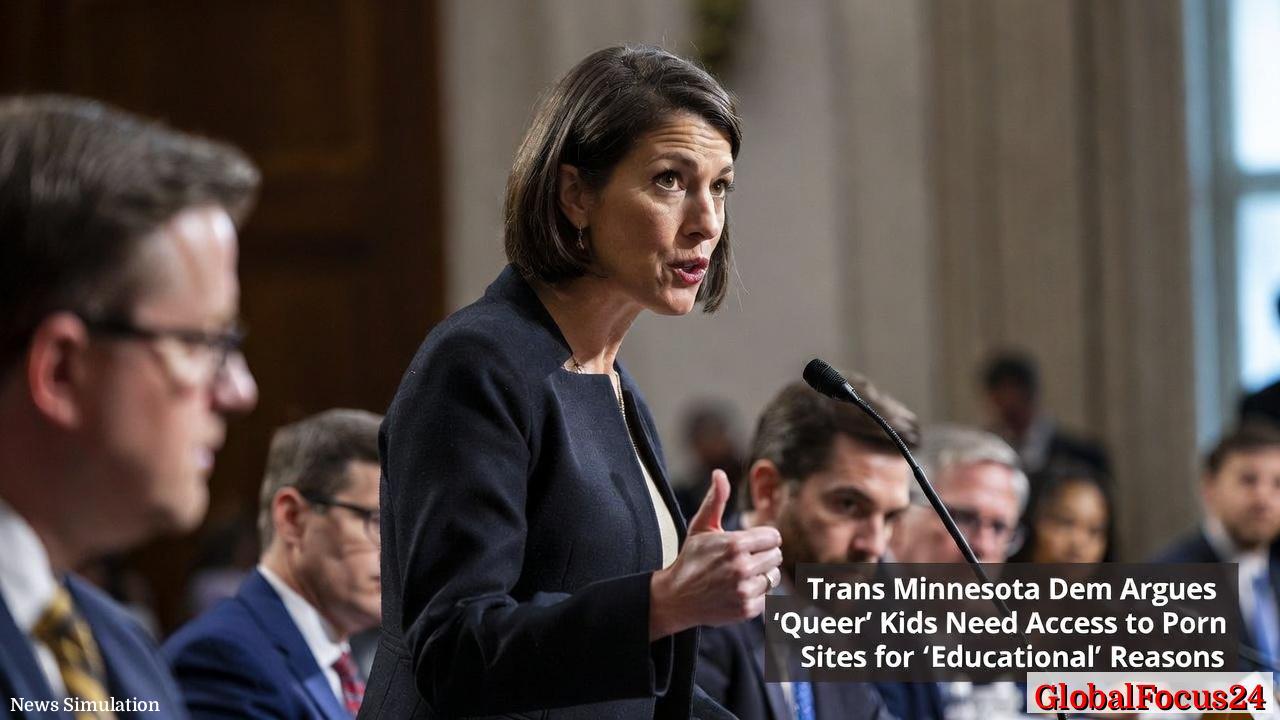
A recent confrontation in Minnesota politics has ignited a nationwide discussion about the boundaries of educational content, LGBTQ+ inclusion, and the role of lawmakers in shaping access to information for young people. The controversy centers on remarks made by State Representative Leigh Finke, Minnesota’s first openly transgender legislator, who challenged proposed age-verification requirements for pornography websites. Her comments, which framed the issue as an educational concern for queer youth, drew immediate criticism and highlighted enduring tensions around sexual education, digital safety, and the rights of LGBTQ+ students within schools.
Historical Context: LGBTQ+ Representation and Policy Friction
To understand the current discourse, it helps to recall how LGBTQ+ representation in state legislatures has evolved over the past decade. Representation has increased in several states, with LGBTQ+ lawmakers pushing for policies that address inclusive education, anti-discrimination protections, and healthcare access. These efforts often collide with debates over parental rights, school curricula, and the scope of permissible content for minors. The Minnesota episode is part of a broader pattern in which elected officials use the framing of “educational value” or “protecting children” to justify positions on controversial digital content.
Additionally, the policy landscape surrounding online age verification and access to explicit material has matured unevenly across the United States. Some states have enacted or proposed measures designed to curb underage exposure by requiring verification of age for adult websites. Proponents argue that such safeguards are essential in preventing minor access to explicit material, while opponents contend that these laws can be overly broad, intrusive, or selectively enforced. Critics also warn about potential unintended consequences, including coercive data collection, privacy violations, and the chilling effect on legitimate educational inquiry.
Economic Impact: Education, Technology, and Public Resources
The debate over age-verification laws intersects with several economic considerations. First, schools and districts bear the cost of comprehensive sex education programs, which increasingly incorporate digital literacy and media-competency components. When debates emphasize educational value, there is a potential for broader investment in digital education resources that help students navigate online information safely, including LGBTQ+–focused health education and critical-media literacy curricula. Policymakers who advocate for evidence-based sex education may seek to fund teacher training, curricula development, and community outreach to ensure that queer youth receive accurate information in supportive environments.
Second, the technology sector and adult-content platforms operate within a complex regulatory milieu. If states impose strict age-verification requirements, platforms must invest in identity verification systems, data privacy safeguards, and compliance infrastructure. These investments can have downstream effects on small publishers, startups, and regional tech ecosystems that might be affected by the regulatory climate. Conversely, robust protections can foster greater trust in digital services and encourage legitimate educational platforms to expand offerings for youth with appropriate safeguards in place.
Regional Comparisons: What Minnesota Teaches Other States
Minnesota’s controversy sits against a backdrop of diverse approaches to youth internet safety and LGBTQ+ education across states. Some states have adopted comprehensive digital literacy standards that explicitly address online safety, exposure to sexually explicit material, and the rights and realities of LGBTQ+ youth. Others have emphasized parental oversight and school-community partnerships, with policies that vary widely in how they balance child protection with the need for inclusive education. The Minnesota moment invites a comparative look at how states reconcile protecting minors from potentially harmful content while ensuring that LGBTQ+ students have access to accurate information, supportive resources, and non-discriminatory treatment.
Public Reaction: Support, Skepticism, and the Pushback Narrative
Public responses to Finke’s remarks have been swift and polarized. Supporters argue that LGBTQ+ students deserve access to accurate information about their identities and communities, particularly when traditional sex education may have gaps or biases. They suggest that well-designed educational programs, with input from healthcare professionals and educators, can address questions about sexuality, relationships, and consent in age-appropriate, evidence-based ways. Critics, however, contend that advocating for access to adult content for minors crosses ethical and legal boundaries and risks normalizing exposure to material that many deem inappropriate for young audiences. Some opponents have invoked concerns about grooming, parental rights, and the possibility of policy misinterpretation leading to unintended harms.
Finke’s status as a trailblazing figure adds another dimension to the dialogue. As Minnesota’s first openly transgender elected official, her rhetoric is scrutinized not only for policy content but also for the symbolic weight it carries within LGBTQ+ advocacy and broader civil rights conversations. The broader media and public discourse often conflate individual remarks with institutional positions, underscoring the responsibility elected officials bear when speaking on sensitive topics that affect children, families, and communities.
Educational Safeguards and Best Practices
In navigating these debates, many education and policy experts emphasize the importance of safeguarding measures that protect minors while supporting inclusive education. Key best practices recommended by researchers and practitioners include:
- Age-appropriate, evidence-based sex education: Programs that cover anatomy, puberty, consent, LGBTQ+ basics, healthy relationships, and digital safety, delivered by trained educators in a supportive environment.
- Digital-literacy curricula: Teaching students how to evaluate online information, recognize misinformation, and understand the implications of sharing personal data.
- Parental and community engagement: Providing transparent information about curricula, hosting parent nights, and inviting community feedback to build trust and reduce stigma.
- Diversified resources: Ensuring that LGBTQ+-affirming health education is available alongside traditional materials so that students who identify as queer can access relevant information without fear or shame.
- Privacy protections: Implementing strong privacy standards for any online platforms used by schools, including limits on data collection and robust data-security practices for minors.
The broader implication is that policies touching on digital access, education, and youth welfare require careful construction to avoid unintended harms. When lawmakers frame proposals around education and protection, the emphasis should be on verifiable, age-appropriate content and clearly defined safeguards, rather than sweeping restrictions that may hamper legitimate educational initiatives.
Policy Implications for Lawmakers
The Minnesota episode provides several takeaways for policymakers nationwide:
- Precision in policy language: Ambiguities in terms like “age verification” or “educational content” can lead to mixed enforcement outcomes. Clear, narrowly tailored language helps reduce confusion and litigation risk.
- Collaboration with educators and clinicians: Input from school districts, teachers, counselors, and healthcare professionals can help align policy with actual classroom needs and public health standards.
- Focus on protections rather than censorship: Policies that emphasize safeguarding minors from harm while ensuring access to accurate, inclusive information can garner broader support and reduce accusations of bias.
- Data privacy considerations: Any mechanism requiring verification or data collection must prioritize student privacy and comply with relevant state and federal laws.
- Evaluation and transparency: Provisions for monitoring outcomes, auditing implementation, and publicly reporting findings can increase trust and accountability.
Conclusion: Navigating a Complex Landscape
The debate sparked by Leigh Finke’s remarks highlights a central tension in contemporary politics: how to balance safeguarding minors with ensuring access to comprehensive, inclusive education. As digital life becomes increasingly central to youth development, policymakers face complex choices about content, privacy, and the role of schools as trusted information institutions. The Minnesota moment underscores the need for nuanced, evidence-based approaches that protect young people while respecting the diverse values of families and communities.
In practical terms, districts and legislators may look to design policies that:
- Strengthen digital-safety education and LGBTQ+-affirming resources within schools.
- Harden privacy protections around any online tools used in education.
- Provide clear guidance for parents and guardians about curriculum content and consent.
- Support ongoing professional development for educators in handling sensitive topics with empathy and accuracy.
- Encourage cross-state collaboration to share effective strategies and avoid policy fragmentation.
As the conversation continues, observers note the importance of separating individual rhetoric from institutional policy. The enduring lesson is that protecting young people online and in person requires collaboration, transparency, and a commitment to evidence-based practices that serve all students, including those who identify as queer. The path forward lies in constructive dialogue, robust education, and policies that uphold safety, inclusion, and integrity across communities.