Family Tragedy in Florida: NFL Game Dispute Triggers Fatal Violence, Survivor desribed as Christmas Miracle
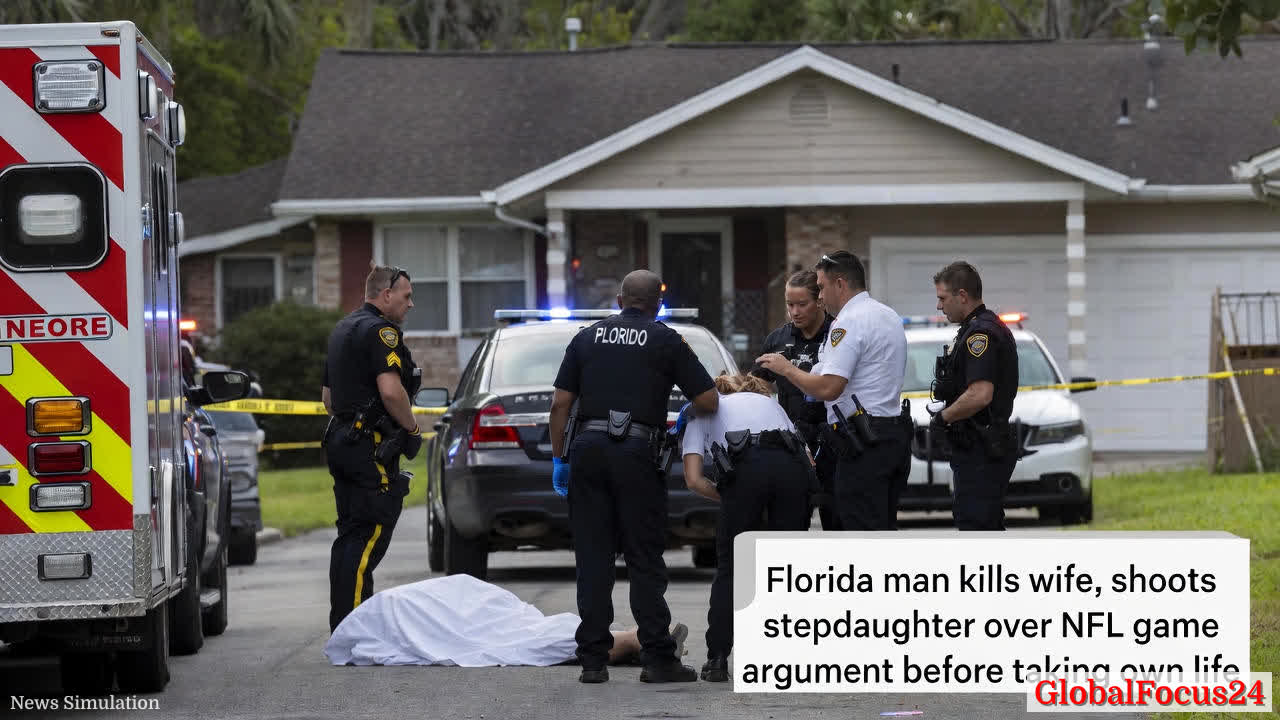
A deadly family incident in Florida over a dispute about an NFL game has shaken a quiet community and prompted renewed discussions about domestic violence, substance use, and the hidden vulnerabilities that can accompany stress during the holiday season. The case unfolded late Monday night when a 47-year-old man, reportedly under the influence of alcohol, killed his wife and shot his 13-year-old stepdaughter after an argument about changing the channel from a San Francisco 49ers game. The immediate aftermath saw the couple’s 12-year-old son escape to seek help, while their one-year-old daughter remained unharmed in her crib. The stepdaughter survived critical injuries and is described by authorities as stabilized, with officials noting her recovery as a “Christmas miracle.” The assailant fled the scene, later confessed to his sister via phone, and ultimately took his own life in a shed. The surviving children are now in the care of their maternal grandparents.
Context and chronology
Events of this magnitude—particularly those that intertwine family life with popular culture and sports—rarely occur in isolation. Local law enforcement reports indicate that the night began with a heated argument that escalated quickly after one partner suggested switching channels away from the NFL broadcast. The couple’s home, in a residential neighborhood, reflected the typical layout of suburban Florida: a family room with a television, bedrooms off a central hallway, and a kitchen that, on this night, became a point of contention rather than a place for warmth.
According to statements from investigators, the husband’s decision to drink heavily that evening amplified his emotional reactivity. When the discussion pivoted from the game to household control, a violent trajectory emerged that culminated in lethal force. The 12-year-old boy, acting with courage beyond his years, fled to summon help, a moment that likely prevented a wider tragedy. The one-year-old child’s safety underscores the unpredictability of violent incidents in domestic spaces—where danger can coexist with innocence.
Historical context
Domestic violence incidents tied to high-stakes outlets like sports broadcasts are not new. In the broader historical frame, communities have sometimes observed spikes in domestic tension around holidays or significant social events when families gather, expectations run high, and distractions compete for attention. While many families enjoy shared rituals during football season, others confront fragile dynamics that may be strained by alcohol, financial pressures, or underlying mental health concerns. This Florida case sits within a national pattern where sports can serve as a catalyst for preexisting tensions rather than the sole cause of violence.
Economic and social impacts
The reverberations of this incident extend beyond the immediate victims. Local emergency responders, medical staff, and social service agencies are drawing upon resources to support the surviving children and their grandparents, who now face the complex tasks of caregiving, financial adjustment, and ongoing safety planning. Hospitals and trauma centers manage the medical care required by the surviving teenage victim, who remains in stable condition after severe facial and shoulder injuries. The community must consider the longer-term needs associated with trauma recovery, including counseling services, school re-integration, and social support networks.
From an economic standpoint, the event highlights the costs associated with violence and trauma. Medical expenses for emergency response and treatment, coupled with social services for children, can place a temporary strain on local budgets. On a broader scale, such incidents often influence community perceptions of safety, which can affect property values, local business activity, and attendance at public events. These factors become particularly salient in Florida, a state with a robust tourism sector whose residents and visitors expect safe, welcoming environments.
Regional comparisons
Florida’s experience shares similarities with other states facing similar incidents, though regional differences matter. In some coastal and metropolitan areas, access to rapid emergency response and robust social services can mitigate long-term harm to families. Rural and suburban regions—where resources may be more dispersed—often face additional barriers to timely intervention and ongoing follow-up care. In this case, the involvement of maternal grandparents as primary caregivers is a common pattern seen in families navigating sudden tragedy, reflecting broader social support networks outside immediate kin.
Public safety and policy implications
The incident underscores the importance of accessible domestic violence resources and preventive programs. Communities across Florida and nationally continue to advocate for early intervention strategies, including hotlines, safe housing options, and community-based counseling. Law enforcement agencies emphasize the need for training on de-escalation techniques and recognizing warning signs that may precede violence, particularly within households where alcohol use is present.
Public health perspectives also call for integrated approaches that address not only immediate danger but also the underlying factors that contribute to violent outcomes. This includes mental health support, substance abuse treatment, and family outreach services designed to reduce risk factors and improve resilience. Schools, healthcare providers, and social services can collaborate to identify families in distress and connect them with appropriate resources before a crisis occurs.
The survivor’s perspective and community response
For the 13-year-old surviving stepdaughter, the journey ahead is undoubtedly challenging. Recovery from gunshot injuries to the face and shoulder—injuries that carry both physical and emotional weight—will require a multidisciplinary approach. Medical teams may involve trauma surgeons, plastic and reconstructive specialists, and pediatric care professionals, alongside mental health clinicians who address post-traumatic stress and anxiety. The family’s immediate need for stability, safety, and ongoing support will guide local social services and school-based interventions.
Community reaction has swirled with a mix of shock, sorrow, and resolve. Residents may rally around the surviving children, offering practical assistance such as meals, transportation to medical appointments, and tutoring services to maintain continuity in education. Local leaders could also emphasize the availability of counseling resources and emphasize messages of nonviolence and family safety during public gatherings and events.
Media ethics and responsible reporting
In reporting sensitive incidents such as this, journals aim to balance the public's interest with respect for those affected. Responsible coverage avoids sensationalism and focuses on factual details, context, and the human dimensions of the event. It highlights how communities can respond constructively to trauma, emphasize preventive measures, and direct readers toward resources for help.
A note on the family’s privacy and dignity remains essential. While the public has a right to know about safety concerns and community support mechanisms, the identities and personal details of minors must be handled with care to protect their welfare and future well-being. The objective is to inform, not to sensationalize, and to offer practical paths for action and healing.
What comes next for Florida communities
As investigators finalize their preliminary findings, planners and service providers focus on long-term remedies. Key steps include:
- Expanding access to domestic violence intervention services, including crisis hotlines, shelter options, and confidential counseling.
- Enhancing collaboration among schools, healthcare facilities, and social services to identify families at risk and connect them with resources early.
- Increasing awareness of the risks associated with alcohol use and its potential to escalate conflicts into violence.
- Providing trauma-informed care and language-appropriate mental health support for children and families affected by violence.
- Promoting safe, nonviolent forms of coping for families during emotionally charged events, including sports viewing.
Regional resilience can also hinge on economic stability and social cohesion. Communities that invest in robust public safety infrastructure, reliable healthcare, and accessible social supports tend to navigate such tragedies more effectively, balancing accountability with compassion and practical assistance.
Historical parallels and cultural considerations
Comparisons with past incidents across the Southeast reveal that while every family’s story is unique, there are recurring themes: the role of alcohol in escalating disputes, the impact of sudden violence on children, and the long arc of recovery that follows. Florida’s demographic diversity adds nuance to how communities respond—ranging from urban centers with dense networks of support to smaller towns where familial ties and informal networks play a powerful role in daily life.
Public safety communications, community forums, and educational outreach can help normalize seeking help before a crisis occurs. Encouraging conversations about conflict resolution, stress management, and healthy coping mechanisms may reduce the likelihood of similar tragedies in the future. The goal remains to preserve life, safeguard children, and strengthen the social fabric that binds neighborhoods together.
Conclusion
This Florida incident is a stark reminder that behind everylie individual lives, each with its own story of pain, resilience, and hope. The immediate focus is the safety and recovery of the surviving children, the accountability of the factors that led to the violence, and the ongoing support systems that can prevent such tragedies from recurring. As the community processes the events of that night, the broader public is urged to reinforce the message that help is available, that violence has no place in families, and that caring for one another remains the cornerstone of a healthy society. Through coordinated action, compassionate response, and sustained investment in prevention and support, communities can transform a moment of crisis into a lasting commitment to safety, healing, and prevention.