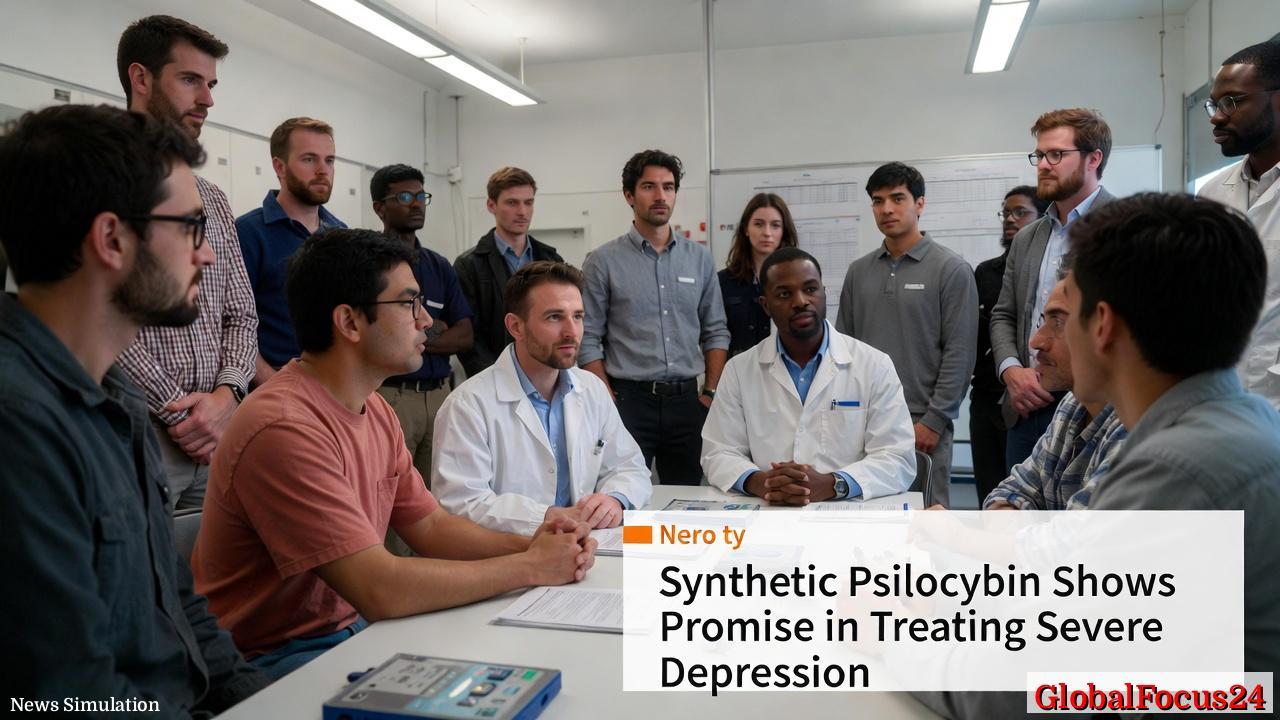
Synthetic Psilocybin Shows Promise in Treating Severe Depression: Late-Stage Trials Point to Rapid Symptom Relief
A new era in mental health treatment may be on the horizon as synthetic psilocybin, the active compound in classic psychedelic mushrooms, demonstrates meaningful potential in addressing treatment-resistant depression. In late-stage clinical studies, administered under strictly controlled conditions, the compound has produced rapid improvements in depressive symptoms for patients who did not respond adequately to traditional therapies. The emerging evidence suggests that some individuals experience relief within days—a striking contrast to the weeks or months often required by standard antidepressants and psychotherapy.
Historical context: a long arc toward novel approaches Depression has long challenged clinicians and researchers, with millions worldwide enduring persistent distress despite best-practice treatments. For decades, the medical community relied on a relatively narrow pharmacologic toolkit, including selective serotonin reuptake inhibitors and other conventional antidepressants, alongside psychotherapy. The past several years have seen a growing interest in psychedelic-assisted therapies, driven by a combination of compelling small studies, expanded regulatory pathways, and shifting attitudes toward mental health innovation. Psilocybin and related compounds earned particular attention due to their distinctive mechanism of action, potential for durable effects, and a growing base of anecdotal and prospective data. The current wave of research builds on a multi-decade history of exploration into how mind-altering substances can catalyze transformative therapeutic experiences when delivered in controlled settings.
What the latest trials analyze, and why they matter
- Study design and dose diversification: In high-quality late-stage trials, researchers compared different dosing regimens of a synthetic psilocybin compound to, in some cases, an active control. One study used a 25-milligram dose against a placebo, while another employed two treatment doses spaced weeks apart, incorporating a low-dose active control to mitigate expectancy effects. This approach helps distinguish genuine pharmacologic impact from placebo-driven improvements, a central methodological hurdle in psychedelic research.
- Rapid symptom relief and durability: Across multiple arms, researchers observed substantial reductions in depressive symptoms with effects that became evident quickly and persisted for weeks—up to approximately six months in some participants after a single or double-dose course. The speed of onset is noteworthy, given that traditional antidepressants often require several weeks to demonstrate meaningful benefit.
- Safety considerations: Early data indicate that synthetic psilocybin, when administered under supervision, may present a favorable safety profile relative to some earlier psychedelic compounds. Concerns commonly raised in psychedelic research—cardiovascular effects, potential misuse, and dependency—are addressed through selecting appropriate dosing, rigorous medical screening, and professional oversight. Regulatory agencies have highlighted the importance of ongoing safety monitoring as part of the development pathway.
Economic and access implications: what this could mean for health systems
- Potential new standard of care for severe depression: If regulatory approval follows the current trajectory, synthetic psilocybin could become a sanctioned treatment option for treatment-resistant depression. This would add a novel mechanism to the psychiatry toolkit, potentially reducing the burden of chronic depressive illness on individuals and healthcare systems.
- Treatment structure and cost considerations: The therapy requires lengthy, professionally supervised sessions—typically six to eight hours per treatment occasion—along with preparatory and follow-up meetings. While the upfront time and personnel requirements are substantial, the potential for rapid symptom relief could translate into meaningful reductions in long-term care costs for some patients. Economies of scale, including group-session formats or outpatient clinic models, may help lower per-patient costs over time.
- Payer and reimbursement dynamics: As with many advanced therapies, reimbursement will hinge on demonstrated value, safety, and real-world effectiveness. Payers will scrutinize metrics such as durability of response, impact on hospitalization rates, work functioning, and quality of life. Early pricing discussions often weigh treatment costs against the cumulative expenses of chronic depression management, including lost productivity and comorbid conditions.
Regional context: comparisons and lessons
- United States: The U.S. remains at the forefront of psychedelic medicine development, with federal agencies carefully evaluating trial results and safety data. If approvals proceed, the U.S. could set precedents for post-approval use, clinician training standards, and patient eligibility criteria. The healthcare market is complex, with privatized systems and varied coverage, which will influence access and affordability.
- Europe: European regulatory bodies have historically emphasized rigorous safety oversight and standardized trial designs. In the context of psilocybin, European agencies may require additional confirmatory studies or real-world data to support widespread adoption. Regional differences in mental health care pathways and reimbursement will shape how quickly such therapies reach patients.
- Asia-Pacific and other regions: Adoption dynamics in Asia-Pacific and other markets will depend on national regulations, local clinical infrastructure, and cultural considerations surrounding psychedelic medicine. The globalization of psychedelic research is accelerating, but timelines for rollout will differ based on regulatory readiness and health system capabilities.
Clinical implications and patient experience
- Precision in patient selection: The promise of rapid improvement is most compelling for individuals who have not benefited from conventional treatments. Clinicians will need to identify candidates most likely to respond while considering comorbid conditions, contraindications, and patient preferences for treatment environments.
- Treatment setting and integration: The therapy is not a standalone pill. It requires a structured setting with trained professionals who can guide patients through preparatory conversations, the dosing session, and post-treatment integration. The experiential nature of the treatment can influence mood, cognition, and perception, making the therapeutic alliance and environment critical to outcomes.
- Long-term outcomes and maintenance: Questions remain about the optimal frequency of treatment after an initial responsive phase. Some patients may achieve durable remission after one or two administrations, while others might require ongoing sessions or adjunctive therapies. Real-world studies will be essential to understanding maintenance strategies and relapse prevention.
Public reception and ethical considerations
- Public interest and media narratives: The emergence of fast-acting, transformative therapies often sparks intense public interest. Transparent communication about risks, benefits, and realistic expectations is essential to prevent hype while maintaining momentum for research.
- Equity and access: As with many advanced biomedical innovations, ensuring equitable access will be a priority. Policymakers and healthcare providers will need to address disparities in availability, insurance coverage, and geographic access to high-quality treatment centers.
- Stigma and normalization: The broader medical community’s endorsement of psychedelic-assisted therapy could influence perceptions of depression treatment. Ongoing education for clinicians and patients will help normalize access to evidence-based, specialized care.
Synthesis: a pivotal moment in psychiatric medicine The latest late-stage trials of synthetic psilocybin represent a meaningful step forward in addressing treatment-resistant depression, a condition with substantial personal and societal costs. The combination of rapid onset and potentially durable relief offers a compelling alternative to long-term pharmacotherapy for a subset of patients. While challenges remain—namely, optimizing dosing regimens, ensuring safe delivery, and determining pricing models—the trajectory suggests that a carefully regulated, professionally supervised psychedelic therapy could become an established option in mainstream psychiatry.
Comparative insights: how this innovation stacks up against existing options
- Conventional antidepressants: Traditional antidepressants require weeks to show effect and often come with side effects that affect adherence. In contrast, psilocybin-based therapy aims for rapid relief by combining pharmacology with psychologically supportive care.
- Psychotherapy alone: Psychotherapy can be effective for many, but treatment-resistant depression persists in a significant minority. Psychedelic-assisted therapy complements psychotherapeutic approaches by providing a pharmacologically active, time-contained intervention that can catalyze therapeutic gains.
- Other novel approaches: While deep brain stimulation and ketamine-based therapies have opened new avenues, psilocybin’s potential for rapid, substantial symptom reduction in certain patients adds a distinct option to the spectrum of care. Each modality has unique risk profiles, logistical requirements, and patient suitability factors.
Future outlook: research horizons and regulatory steps
- Ongoing trials and real-world data: Further phase 3 trials and post-approval observational studies will refine our understanding of who benefits most, how long effects last, and how best to deliver treatment at scale. Real-world evidence will also help quantify economic impact and inform coverage decisions.
- Regulatory milestones: Regulatory agencies will weigh efficacy, safety, and post-marketing surveillance data as they consider approvals and labeling. Clear guidelines for patient education, monitoring, and integration will accompany any final authorization.
- Innovation ecosystem: The convergence of biotechnological innovation, clinical psychology, and health economics will likely drive continued investment in psychedelic medicine. Collaboration among researchers, clinicians, regulators, and patient communities will be essential to maximizing benefits while mitigating risks.
In conclusion, the emergence of a synthetic psilocybin therapy for treatment-resistant depression marks a notable milestone in mental health care. By delivering rapid symptom relief in a controlled clinical framework, this approach has the potential to transform lives for patients who have struggled for years with depression. As research advances, healthcare systems, providers, and policymakers will navigate the path toward safe, effective, and accessible delivery that aligns with broader goals of improving mental health outcomes and quality of life for millions.