Ukraine War At a Turning Point: Humanitarian Toll, Command Pressures, and the Global Ripple Effect
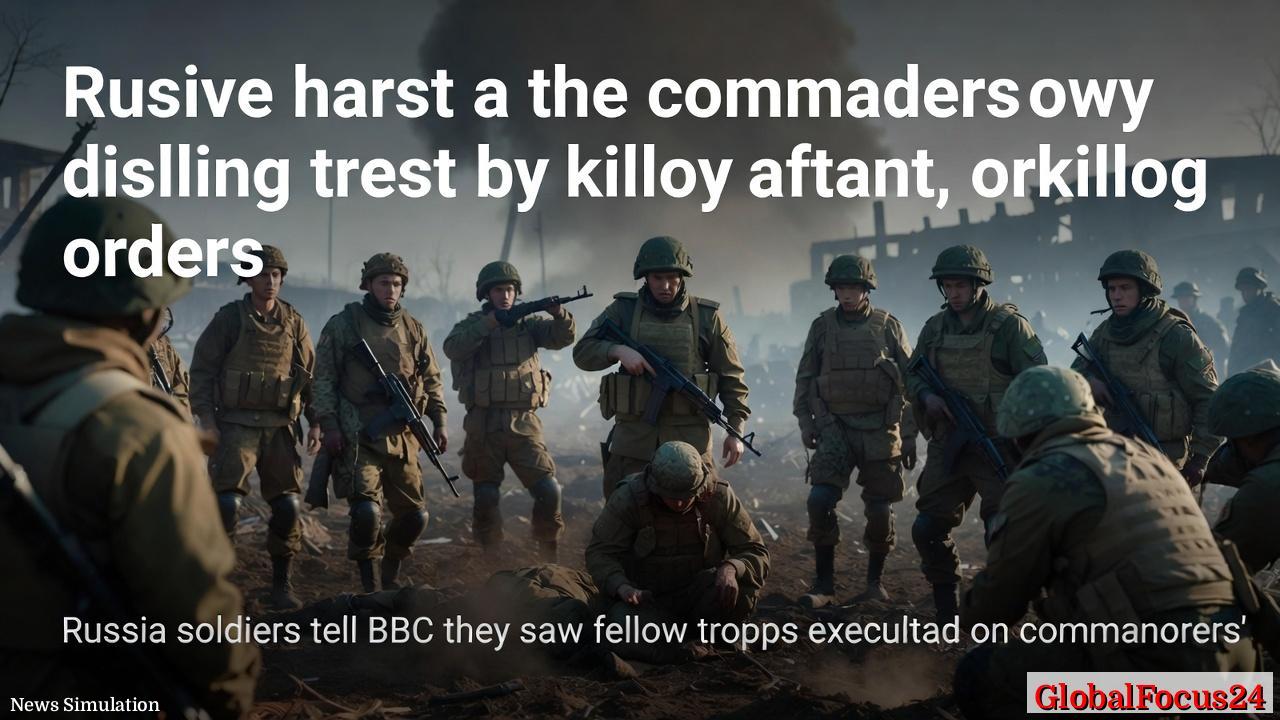
Across conflict zones and international dashboards, the human cost of prolonged warfare continues to mount. In recent months, testimonies from combatants and veterans illuminate a troubling pattern: commanders enforcing strict discipline through lethal means against retreating or wounded soldiers. While fiercely contested and politically volatile, these accounts underscore the grave consequences of military doctrine under stress, the ethical boundaries of modern warfare, and the broad economic and regional repercussions that reach far beyond front lines.
Historical context: discipline and doctrine in modern warfare To understand the current disclosures, it helps to view them in a longer arc of 20th- and 21st-century military practice. Armies have always grappled with the tension between operational tempo and the protection of soldiers. In many conflicts, retreat and surrender carry strategic penalties, and commanders have sought to deter perceived slippage through harsh measures. The term sometimes invoked in these discussions—whether described as “zeroing” or other phrases—reflects a policy intent to curb flight and preserve combat effectiveness. Yet historians and international observers emphasize that modern armed forces increasingly emphasize professionalization, legal frameworks, and adherence to international humanitarian law, in part to deter abuses and to build legitimacy in households and boardrooms alike.
What the reported testimonies suggest The accounts describe instances where retreating or wounded soldiers were allegedly killed by superiors “to enforce discipline and prevent withdrawal.” Such allegations are alarming because they challenge widely accepted norms of humanity and proportionality in armed conflict. They also raise critical questions about command responsibility, the reliability of frontline communications, and the mechanisms for documenting and investigating alleged violations. Taken together, these testimonies highlight the emotional and moral pressures that commanders face when campaigns stall or suffer unexpected setbacks, including the fear of cascading desertions or loss of cohesion.
Legal and ethical dimensions Under international humanitarian law, intentional killing of prisoners or retreating combatants without combat necessity constitutes a grave breach or war crime, depending on the jurisdiction and context. Command structures carry responsibility for ensuring that soldiers are treated humanely and that orders comply with the Geneva Conventions and customary international law. Independent investigations, corroboration by multiple sources, and due process are essential to adjudicate such claims. Even in situations of intense combat, international norms emphasize the protection of combatants who are hors de combat (out of the fight) and those who surrender, as well as the obligation to distinguish between military targets and civilians.
Operational impacts: morale, readiness, and battlefield outcomes If substantiated, reports of lethal discipline policies can reverberate through military efficiency in several ways:
- Morale and trust: Soldiers may fear seeking medical aid or attempting to retreat, potentially delaying critical decisions and impairing unit cohesion.
- Medical consequences: Reluctance to report injuries could lead to worsening health outcomes and longer recovery times, straining medical corps and logistics.
- Recruitment and retention: News of extreme discipline tactics can affect morale among conscripts and volunteers, influencing recruitment pipelines and public perceptions of the armed force.
- Strategic flexibility: Rigid enforcement mechanisms may reduce adaptability on dynamic battlefields, where subtleties of terrain, weather, and enemy tactics demand nuanced responses.
Economic impact: warfare’s collateral costs Beyond the battleground, warfare shapes economies in direct and indirect ways:
- Military spending and procurement: Nations may accelerate or reorganize defense budgets to address perceived threats or to modernize doctrine, influencing budgets for equipment, logistics, and support services.
- Supply chains: Conflicts disrupt global supply chains for critical materials, especially if regional blocs are affected or sanctions alter trade routes. This can ripple into inflationary pressures for energy, metals, and components used in manufacturing.
- Reconstruction and humanitarian relief: The human toll necessitates post-conflict stabilization and reconstruction commitments, which in turn affect public finance, international aid flows, and private-sector investment in affected regions.
- Regional resilience: Neighboring economies often experience shifts in trade patterns, labor mobility, and investment as supply-demand dynamics adjust to the conflict's tempo and spillovers.
Regional comparisons: echoing patterns across theaters While the specifics of any single theater are unique, several regional parallels emerge in conflict zones with sustained fighting and complex command structures:
- East and Central Europe: Conflicts in this corridor have historically tested civilian resilience and border economies, with industrial output volatility, defense modernization efforts, and energy security concerns shaping policy choices.
- Northern Africa and the Levant: Prolonged insecurity commonly leads to rapid shifts in labor markets, with displacement driving urban demand for services and humanitarian support, while governments balance security with social stability.
- Asia-Pacific flashpoints: Strategic competition and alliance dynamics influence defense spending and technology investments, alongside domestic debates about rights, rule of law, and civilian protection norms.
- Sub-Saharan Africa: Persistent instability often intersects with economic development plans, humanitarian aid efficacy, and regional peacekeeping initiatives, all affecting long-term growth trajectories.
Public reaction and information dynamics In modern conflicts, public perception is shaped not only by battlefield reports but also by visual media, social platforms, and official statements. Allegations of harsh disciplinary measures tend to trigger widespread debate about military ethics, civilian protection, and accountability. Public reaction can influence policy responses, probe verification efforts, and pressure for independent investigations. News cycles may oscillate between urgent frontline reports and broader policy analyses, highlighting the need for transparent, credible, and corroborated information to guide international response and aid.
Implications for international law and accountability The international community often responds to credible allegations with calls for investigation and accountability. Mechanisms include:
- Independent inquiries: International bodies or third-party observers can examine claims, gather evidence, and publish findings to inform policy decisions.
- Legal proceedings: In some cases, national courts or international tribunals may pursue charges against individuals deemed responsible for war crimes or crimes against humanity.
- Sanctions and diplomacy: Targeted measures can be used to deter abuses, alongside diplomatic engagements aimed at preserving civilian safety and military discipline within the bounds of law.
- Protection of witnesses: Ensuring the safety of soldiers and civilians who report abuses is essential to reliable documentation and ongoing reform.
Regional security implications When discipline issues surface, regional stability can be affected in several ways:
- Alliances and cooperation: Partners may reassess training, rules of engagement, and oversight mechanisms to strengthen compliance with international law and to reassure civilian populations.
- Public health and welfare: The humanitarian footprint of ongoing conflict adds strain to regional health systems, food security programs, and social services, prompting cross-border aid and planning.
- Economic normalization: As conflicts plateau and ceasefires take hold, regional authorities confront the challenge of restoring trade routes, restoring infrastructure, and reviving markets to attract investment and employment.
Forward-looking considerations: pathways to reducing risk and enhancing resilience
- Strengthening legal frameworks: Clear, enforceable rules of engagement and robust reporting channels help deter abuses and improve accountability.
- Professionalization and training: Ongoing education on international humanitarian law, ethics, and civilian protection fosters disciplined, lawful conduct even under pressure.
- Independent verification: Transparent inquiry processes, with access to credible evidence and witnesses, builds trust and informs policy choices.
- Humanitarian-centric planning: Integrating civilian protection into strategic planning reduces unnecessary suffering and supports quicker stabilization.
What to watch next As the conflict evolves, observers will look for:
- Verifiable investigations: Independent reports that confirm or refute claims, along with concrete recommendations for reform.
- Changes in command procedures: Updates to rules of engagement, training curricula, and oversight mechanisms.
- Economic signals: Shifts in defense spending, energy markets, and regional trade patterns that reflect evolving security dynamics.
- Public sentiment: The degree to which civilian populations and international partners respond to developments through policy pressure, aid initiatives, or diplomatic engagement.
In sum, the reported testimonies about coercive disciplinary practices illuminate a pressing question: how can modern militaries maintain battlefield effectiveness while upholding universal protections for those who bear the risks of combat? The answer hinges on robust legal frameworks, transparent accountability, and sustained investments in professionalization and civilian protection. The coming months will be telling as investigations unfold, alliances recalibrate, and communities near affected regions assess the meaning of security, justice, and resilience in a time of ongoing upheaval.