Rising Strains in the Middle East
As tensions between Washington and Tehran continue to escalate, the United States finds itself navigating one of the most precarious foreign policy challenges of the decade. Military operations, sanctions, and diplomatic breakdowns have reignited hostilities in the Persian Gulf and across the broader Middle East, raising fears that the latest campaign targeting Iran may backfire—both strategically and politically.
In recent weeks, increasing military activity around the Strait of Hormuz and renewed sanctions on Iranian oil exports have strained global energy markets and sent shockwaves through international diplomacy. The campaign, designed to reassert U.S. deterrence and weaken Iran’s influence, now risks undermining America’s own credibility and leadership at a critical geopolitical moment.
The Historical Backdrop to U.S.–Iran Rivalry
The current confrontation with Iran cannot be viewed in isolation. It is the latest episode in a half-century of uneasy relations marked by revolution, economic sanctions, and proxy conflicts. The 1979 Iranian Revolution transformed the U.S.–Iran relationship overnight, replacing a pro-American monarchy with an Islamic Republic that viewed Washington as an adversary.
Over the decades, flashpoints such as the Iran–Iraq War, the U.S. hostage crisis, and the downing of Iran Air Flight 655 in 1988 have deepened mutual hostility. Efforts at rapprochement have repeatedly faltered—from the 2015 Joint Comprehensive Plan of Action (JCPOA) to recent abortive negotiations on nuclear enrichment limits and regional de-escalation.
Today, old suspicions dominate again. Iran’s growing regional influence through proxies in Iraq, Syria, Lebanon, and Yemen has fueled American concerns of encirclement, while Tehran perceives U.S. actions as an attempt to stifle its sovereignty and economic independence.
The Economic Repercussions of Renewed Conflict
The economic consequences of the renewed U.S. campaign have been swift and far-reaching. Global oil prices surged above $100 per barrel in early trading this month—levels unseen since the early years of the COVID-19 recovery. Despite assurances from U.S. energy officials, oil futures remain volatile as traders weigh the risk of supply disruptions across the Gulf.
For Iran, tightened sanctions have again restricted access to international markets and constrained oil exports, estimated to have fallen by over 40% since January. The country’s currency, the rial, has weakened sharply, reigniting inflation that had begun to stabilize after years of economic contraction. Local businesses report rising prices for basic goods, while foreign investment continues to dry up.
The United States, too, faces economic blowback. Elevated fuel costs threaten to slow consumer spending just as post-pandemic growth begins to plateau. Analysts warn that higher transportation and manufacturing costs could reverberate through the global supply chain, adding pressure to inflation already weighing on households and industries worldwide.
Strategic Risks of a “Maximum Pressure” Policy
Washington’s current strategy echoes previous “maximum pressure” campaigns aimed at curbing Iran’s nuclear and regional ambitions. Yet history suggests such approaches often provoke defiance rather than compliance.
Iran’s government has signaled that it will not yield to unilateral demands, hinting at possible retaliation through cyber operations, maritime harassment, or attacks by aligned militias on U.S. assets in the region. Reports from security analysts indicate that Tehran’s military posture in the Persian Gulf has shifted toward a state of heightened readiness.
Meanwhile, American allies in Europe and Asia have expressed growing unease. NATO partners worry that a surge in hostilities could fracture the fragile coalition coordinating sanctions enforcement. In Asia, major oil importers such as India, Japan, and South Korea are bracing for price hikes and supply disruptions that could derail economic forecasts.
Domestic Political Strain in Washington
The political fallout of this campaign is reverberating through Washington. The President, seeking to project strength abroad, now faces criticism at home over the human and economic costs of renewed confrontation. Senior administration officials are keenly aware that public opinion remains wary of foreign entanglements after two decades of wars in the Middle East that delivered mixed results at best.
Congressional voices from both sides of the aisle have expressed concern that the administration’s approach lacks a clear exit strategy or diplomatic channel. While the White House argues that pressure will bring Tehran back to the negotiating table, detractors warn that miscalculation or escalation could lead to another protracted conflict—one that the American public has little appetite for.
Political observers note that repeated foreign policy setbacks have taken a toll on presidential approval ratings. With an election year approaching, any failure to manage the Iran crisis could weaken the administration’s standing and embolden domestic rivals. In an election cycle defined by economic anxiety, surging fuel prices and global uncertainty could prove devastating.
Global Comparisons and Regional Fallout
Iran’s renewed isolation contrasts sharply with how other regional powers have weathered diplomatic or economic sanctions. Russia, though heavily sanctioned, has diversified its energy markets toward Asia and used parallel payment systems to sustain exports. Tehran’s options are far more limited, constrained by geography, domestic politics, and years of economic neglect.
By contrast, Gulf neighbors such as Saudi Arabia and the United Arab Emirates have benefited economically from Iran’s difficulties—expanding oil output, attracting Western investment, and strengthening security ties with Washington. Yet even they tread cautiously. Regional policymakers recognize that instability in Iran could ignite sectarian conflict, refugee inflows, and disruptions in maritime trade that would harm the entire Gulf economy.
Across Europe, diplomats lament the collapse of the JCPOA framework that once offered a pathway to reduce tension. Early hopes for renewed dialogue have evaporated, replaced by a resignation that the standoff may persist for years. European energy markets, already destabilized by conflict in Eastern Europe, now face the possibility of further disruption should Tehran lash out in retaliation.
The Strategic Dilemma Ahead
The United States now faces a complex strategic dilemma. Escalation risks a costly military confrontation that could spiral across multiple fronts, from maritime conflict in the Strait of Hormuz to proxy warfare in Iraq and Syria. Yet retreating without achieving policy goals would signal weakness to allies and adversaries alike.
The administration’s challenge lies in reconciling deterrence with diplomacy—a task that demands consistency and restraint. A carefully calibrated path could reopen channels for limited cooperation, such as prisoner exchanges or nuclear transparency measures, without abandoning pressure entirely. However, success will require political courage and diplomatic patience, virtues often in short supply amid domestic turmoil and international rivalry.
Lessons from Past Confrontations
Examining previous U.S. interventions in the region offers sobering lessons. The 2003 Iraq War, launched under the banner of disarmament and democracy promotion, led to prolonged instability and empowered regional actors hostile to American interests. Similarly, the 2011 intervention in Libya toppled a dictatorship but left behind chaos that persists more than a decade later.
These precedents underscore the risks of pursuing regime-focused or punitive policies without sustainable post-crisis planning. Analysts emphasize that stability in the Middle East depends less on coercion than on strategic balance, respect for sovereignty, and integrated regional diplomacy.
In that sense, the reckless targeting of Iran’s economy and leadership may repeat old mistakes—weakening long-term U.S. influence while galvanizing anti-American sentiment across the region.
A Moment of Global Reckoning
As the campaign against Iran intensifies, the world watches closely. Nations dependent on Middle Eastern energy supplies calculate tradeoffs between solidarity with Washington and the imperative of stability. The United Nations, meanwhile, has called for restraint and renewed dialogue, warning that further escalation could push the region “toward an uncontrollable conflict.”
For the United States, this is a test not only of military might but of strategic judgment. Anger and frustration may drive policy in the short term, but lasting influence requires composure and foresight. Whether Washington can navigate this volatile juncture without repeating the costly missteps of the past will shape its global standing for years to come.
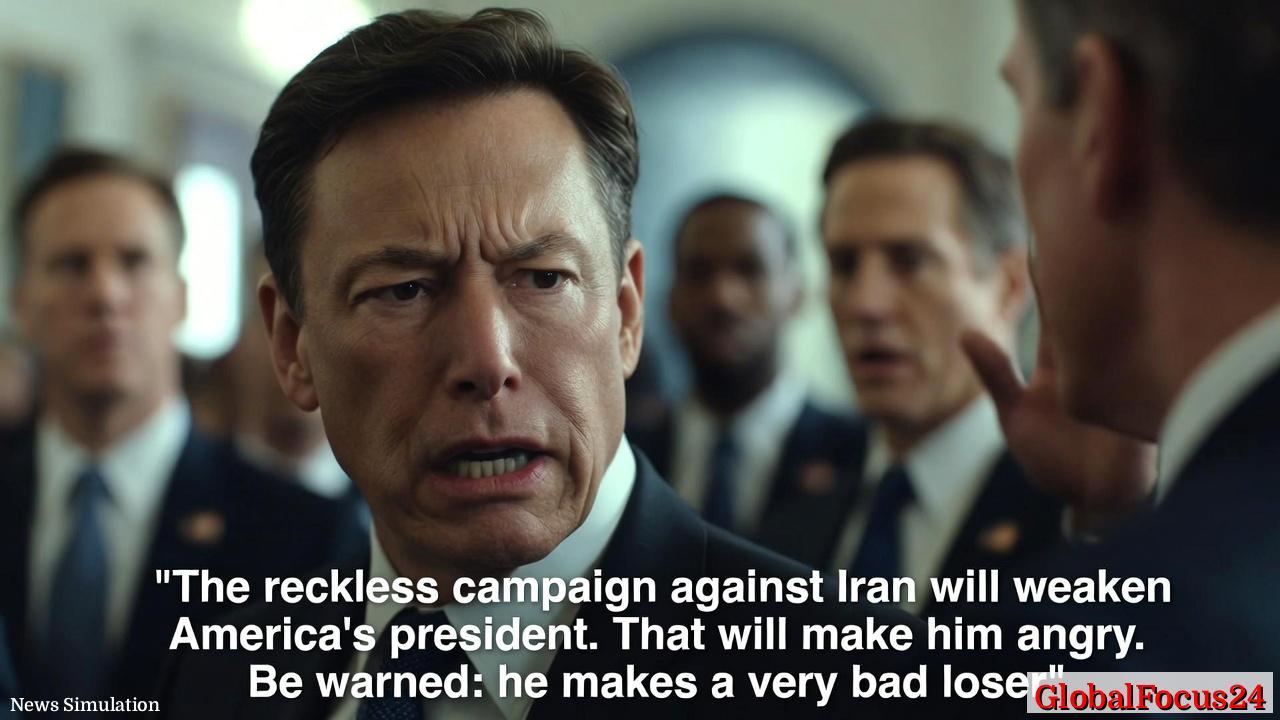
America’s president, facing mounting criticism and a stubborn adversary, now confronts a defining moment. If the campaign weakens his authority at home and abroad, anger may cloud judgment—and history shows that wounded pride often makes for reckless policy. The world, well aware of this risk, has reason to be cautious.