Retirements Reshape Congress as Gridlock Spurs Turnover in Sharpest Century Turnover
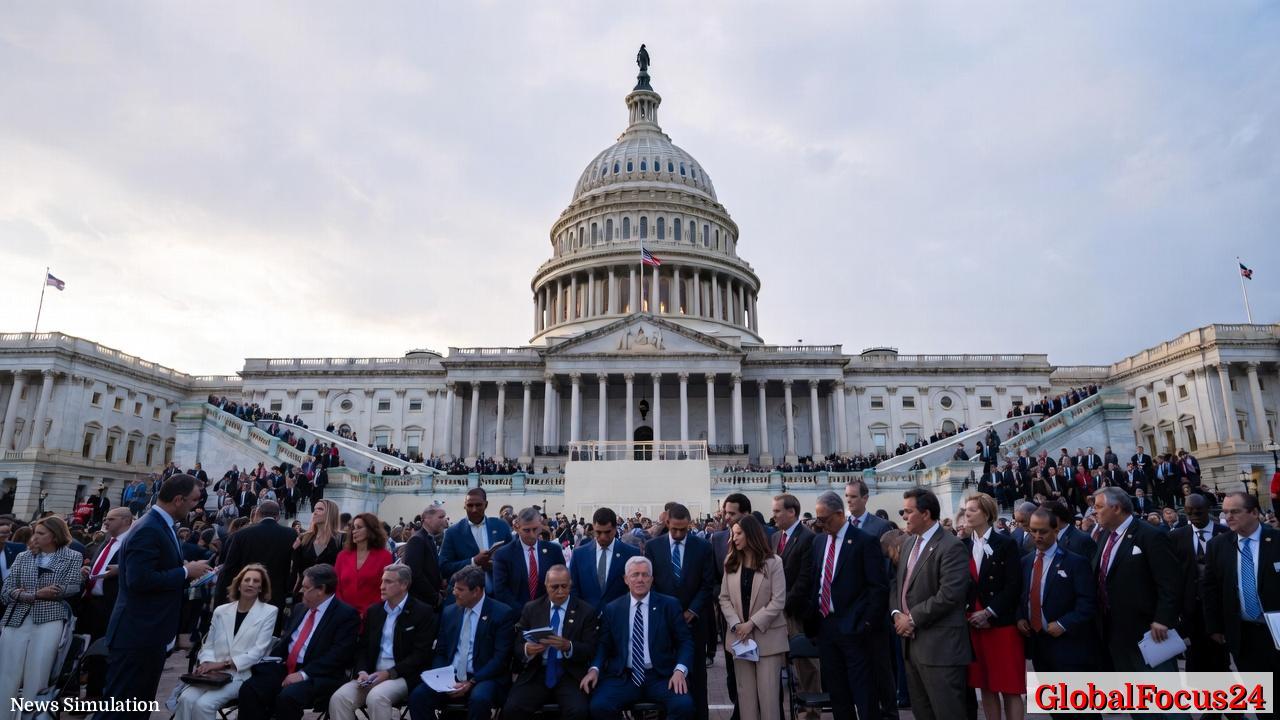
Washington, D.C. — A sweeping wave of retirements is reshaping the landscape of Congress, with more than 60 lawmakers signaling they will not seek reelection in the upcoming midterms. By late February, 68 members had announced exits—54 from the House and 10 from the Senate—marking the highest departure rate this century and signaling a fundamental shift in the Capitol’s demographics and dynamics. As vacancies accumulate, the chamber landscape is opening to a broader slate of challengers, while party balance teeters in a political climate defined by fatigue, distrust, and a record of legislative stalemate.
Historical context: a century of rising expectations and shrinking outcomes
The current exodus sits against a longer arc of congressional turnover that has varied with political tides, economic stressors, and institutional reforms. In the early to mid-20th century, longer tenures and more predictable re-election patterns characterized many careers in Congress. By the late 20th and early 21st centuries, incumbency advantages, increased fundraising demands, and the intensifying national partisan divide contributed to both longevity and attrition, depending on district safety and chamber dynamics. The recent surge stands out for its breadth across both parties and chambers, and for the explicit framing by many departing lawmakers that congressional service is increasingly unsustainable amid persistent gridlock.
The breakdown reveals a nuanced mix of motivations. Personal considerations—family responsibilities, health concerns, and the desire for a less grueling schedule—sit alongside strategic calculations about future offices, including governor or U.S. Senate campaigns. Redistricting cycles in several states have redefined electorates, creating districts with altered partisan leanings and raising the stakes for incumbents who must contemplate a requalification in new political terrains. The combination of professional exhaustion and strategic recalibration helps explain why a larger share of departures comes from incumbents with relatively long tenures who could foresee a diminished likelihood of achieving their priorities in a polarized Congress.
Economic impact: uncertainty, investment caution, and talent drain
The retirement wave reverberates through several layers of the economy and governance. First, constituent services—casework, grant coordination, and local projects—lose continuity as seasoned representatives step away. Districts that rely on longtime staffers for navigating federal programs may experience short-run delays in support while new teams acclimate. Second, the influx of fresh faces and the corresponding learning curve can slow the pace of policy development at a moment when markets crave clarity on infrastructure funding, energy policy, and regulatory timelines. Third, the talent drain extends to the Hill’s staff ecosystem. Experienced aides, legislative directors, and policy researchers form the institutional memory that helps translate campaign promises into executable policy. A rapid turnover of such personnel can push legislative timescapes longer and increase the risk of policy missteps or misaligned oversight during a critical period.
From a market perspective, the midterm churn tends to increase competition for federal earmarks, grant opportunities, and committee assignments. For towns and regions awaiting federal attention, the transition may intensify the scramble for congressional support on prioritized projects, potentially altering funding trajectories in ways that reflect the new members’ priorities. In states where districts have shifted politically due to redistricting, the incoming class may recalibrate investment patterns to reflect different constituencies, with potential short-term volatility in local project pipelines as staff transitions unfold.
Regional comparisons: what the retirements mean beyond Washington
Across regions, retirements illustrate divergent political dynamics and the varying appetite for federal governance. In states with closely divided legislatures and highly competitive statewide races, the retirement wave can amplify swings in delegation composition and alter how representatives balance national mandates with local economic realities. In more uniformly aligned districts, open seats can still produce competitive primaries and bring new voices into the debate over national priorities, but the overall policy outlook may remain tethered to the prevailing party’s agenda. Historical patterns suggest that when the president’s party faces midterm headwinds, incumbents anticipate tougher re-election prospects, and retirements rise as a preemptive strategy to protect future political capital.
The regional economic implications also hinge on how newly elected lawmakers approach federal funding for infrastructure, defense, healthcare, and research. States with robust research ecosystems or large-scale infrastructure needs may see a rapid reshuffling of priorities as first-time lawmakers seek to demonstrate tangible benefits for their districts. Conversely, regions with stable incumbencies and well-developed constituent services networks may experience a more gradual transition, with continuity provided by seasoned staff even as new faces enter the chamber.
Policy implications without political bias: maintaining focus on governance
Though the current discourse surrounding retirements is deeply political in tone, the underlying narrative emphasizes governance, accountability, and the practical functioning of Congress. The most immediate policy questions relate to how an enlarged field of candidates will approach urgent issues that affect every American household. These include:
- Fiscal responsibility and budget discipline in a climate of competing demands for investments in infrastructure, education, and health care.
- Energy transition and climate resilience, balancing innovation incentives with affordability for households and industries.
- National security and border policy, and how to align these concerns with economic and humanitarian considerations.
- Technological innovation, data privacy, and regulatory modernization to keep pace with rapidly evolving sectors such as AI, biotechnology, and advanced manufacturing.
- Oversight and accountability, ensuring effective checks and balances in a system where divided government has become part of the norm.
In each area, the incoming cohort will be tested on their ability to collaborate across the aisle, build credible legislative proposals, and translate broad policy goals into concrete programs that communities can view as tangible benefits. This requires a careful balance of principled stands and pragmatic compromises—an enduring challenge for legislators on both sides of the aisle.
Public reaction and the human dimension
Public sentiment around congressional turnover often surfaces as a mix of skepticism about ongoing gridlock and cautious optimism about new representation. Constituents in districts with open seats may express relief at the prospect of fresh ideas, while others worry about the loss of experienced leadership and institutional knowledge. Across the country, observers note a sense of urgency in voters who want to see progress on urgent issues such as affordability, healthcare access, and job creation, even as they acknowledge the difficulty of achieving consensus in a deeply polarized environment.
Public reactions to retirements also reflect broader cultural and demographic shifts. The diversification of candidate pools—encompassing women, people of color, military veterans, and professionals from varied sectors—has the potential to broaden the policy conversation and bring different perspectives to the Capitol. At the same time, the transition period tests the capacity of political parties to groom and elect successors who can maintain continuity while pursuing innovative solutions.
What comes next: projections for the midterms and beyond
As vacancies accumulate, the midterms will likely feature an unusually high number of competitive races. Open seats tend to attract well-funded campaigns, and the presence of larger-than-usual pools of candidates can intensify primary dynamics. Analysts expect that the balance of power could hinge on a relatively small number of swing districts, state-level outcomes, and the ability of each party to mobilize turnout.
Looking further ahead, historians and policymakers will watch how the influx of new members shapes legislative norms and institutional practices. Key questions include whether new members will embrace collaborative problem-solving, how committees adapt to changes in seniority and expertise, and whether this generation of lawmakers can deliver public goods with greater efficiency and accountability than their predecessors. The trajectory will depend on leadership decisions, the trajectory of the economy, and the evolving expectations of a public that demands results.
Conclusion: a pivotal moment for congressional representation
The current wave of retirements marks a watershed in the ongoing evolution of congressional governance. It reflects a complex mix of personal choice, strategic calculation, and an accelerating pressure to deliver in a system long characterized by procedural hurdles and partisan battles. As a new cohort steps into open seats, the country watches to see whether fresh perspectives can break through entrenched deadlock, spark responsible reform, and restore momentum to federal policymaking. The coming years will reveal how mass turnover reshapes the legislative landscape, affects regional development, and ultimately influences the lived experience of citizens across the United States.