Ukraine War Weeks: After the Winter Truce Fails, Civilian Hardship Deepens and Markets Brace for Volatility
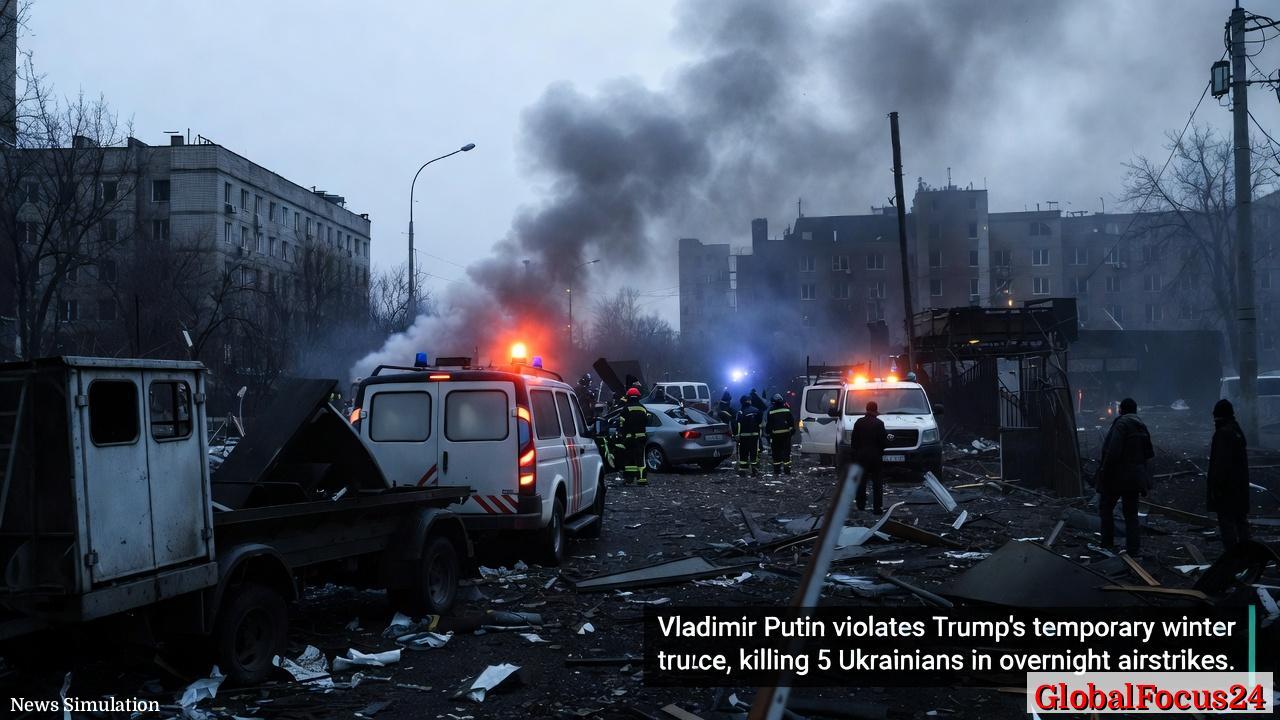
In the wake of a fraught, short-lived pledge to pause hostilities for a humanitarian winter window, the conflict in Ukraine has intensified again, leaving civilians in cold, damaged spaces and triggering renewed concern across regional markets. The overnight strikes that targeted multiple cities, resulting in casualties and widespread power outages, have renewed questions about the path to a durable ceasefire and the broader implications for European security, energy supplies, and international diplomacy. As authorities work to restore essential services and humanitarian corridors, governments and businesses alike weigh the deadlines, costs, and practicalities of renewed wartime dynamics.
Historical context: a long arc of conflict and fragile pauses
- The current cycle of fighting sits within a broader historical frame that includes episodic ceasefires and truces negotiated under significant international pressure. Since Russia’s invasion of Ukraine in 2022, periods of reduced violence have frequently been followed by renewed offensives, undermining public confidence and complicating relief efforts.
- Past pauses were often designed with dual aims: to protect civilian life and critical infrastructure during extreme weather or to create space for negotiations. However, the reliability of such pauses depended on reciprocal steps, verifiable commitments, and the willingness of external actors to enforce mechanisms that deter violations.
- In many regions, particularly those facing repeated outages of electricity and heating, residents have learned to adapt quickly—shifting to community shelters, utilizing microgrids where available, and sharing resources through local networks. Yet the emotional and psychological toll persists, with ordinary life reframed by the constant possibility of disruption.
Economic impact: energy, supply chains, and regional resilience
- Energy markets continue to respond to instability in Europe and beyond. Even temporary interruptions in power supply to industrial zones can ripple through manufacturing, logistics, and services, elevating costs for households and businesses that are already contending with inflationary pressures.
- The region’s energy mix—relying on a blend of conventional and renewable sources—faces renewed scrutiny as operators seek to fortify grids against cascading outages. Investments in infrastructure, such as grid hardening, energy storage, and diversified fuel sources, gain new urgency as the risk of renewed disturbance remains elevated.
- Supply chains, long stressed by global disruptions, encounter another layer of complexity when border controls, evacuation corridors, and sanctions enforcement interact with the humanitarian imperative of delivering aid. Companies that previously rebuilt inventories and just-in-time processes must now re-evaluate contingency plans, including inventory buffers, alternate suppliers, and expedited routing strategies to mitigate potential bottlenecks.
- The human capital dimension is equally critical. Regions experiencing ongoing conflict see talent migration patterns shift, with skilled workers relocating to safer areas or abroad. This has a twofold effect: it pressures local labor markets and creates demand for skilled labor in host regions, while potentially slowing long-term regional development projects.
Regional comparisons: how neighboring areas are responding
- Western European economies, historically linked through energy trade and shared security commitments, are intensifying co-operation on energy diversification and emergency planning. Lessons drawn from past crises emphasize the value of cross-border energy interconnectors, strategic reserves, and coordinated demand-side measures during severe winter periods.
- Central and Eastern Europe, which have long-standing experience with rapid mobilization and shielded critical infrastructure, are accelerating investments in resilient infrastructure and cyber-physical security to protect power grids, water systems, and communications networks. Collaboration with international partners remains central to sharing best practices and securing funding for modernization efforts.
- The Nordic region, with its advanced grid systems and high adoption of renewables, is prioritizing the integration of intermittent energy sources with storage solutions and demand response programs. These measures aim to reduce exposure to external price shocks while maintaining reliability for households and industry.
Public reaction and humanitarian response
- Communities affected by the recent strikes express a mix of resilience and urgency. Local volunteers, civil defense units, and international aid organizations coordinate shelter provision, medical assistance, and food distribution, highlighting the importance of rapid, ground-level logistics in crisis management.
- Public sentiment reflects both condemnation of violence and a pragmatic focus on immediate needs: warmth, safe drinking water, and access to healthcare. Social media and local news coverage amplify calls for accountability and faster humanitarian access, while reinforcing support for international mediation efforts.
- Mental health challenges rise in parallel with physical danger. Community centers, hotlines, and mobile clinics become essential as families cope with trauma, displacement, and the fear of renewed disruption.
Geopolitical implications: diplomacy on a delicate edge
- The temporary halt and its subsequent violation have intensified scrutiny of diplomatic channels and leverage points. Mediation efforts, whether by regional coalitions or international bodies, rely on credible incentives to sustain a durable pause and establish verifiable verification mechanisms.
- The role of external actors remains pivotal. Economic sanctions, security assurances, and development aid will likely shape the incentives for both sides to re-enter negotiations, stabilize frontlines, and protect civilian populations. The delicate balance between deterrence, dialogue, and humanitarian access continues to define the trajectory of the crisis.
- International markets watch closely for signals that might impact risk pricing, currency stability, and investment confidence. The possibility of renewed sanctions or sanctions relief, contingent on compliance with agreed terms, could influence capital flows, energy prices, and fiscal planning across the region.
Key developments to watch
- Restoration of critical infrastructure: Power and heating networks will be a primary focus, with timelines tied to the level of physical damage, snowfall severity, and the availability of repair crews and materials.
- Humanitarian corridors: Safe passage for civilians and aid deliveries depends on negotiated truces and effective monitoring. Any progress here would provide a tangible measure of international engagement and local resilience.
- Economic stabilization measures: Governments and central banks may announce targeted support for households and businesses facing energy costs and interrupted production, aiming to cushion the short-term impact while sustaining longer-term growth.
- Security assurances: Reassurance against indiscriminate strikes and the protection of civilian facilities—such as hospitals, schools, and residential districts—will be critical for restoring confidence and enabling a return to normal economic activity.
Lessons from the current cycle
- The need for verifiable, enforceable ceasefires: Without mechanisms to monitor and verify compliance, pauses are vulnerable to misinterpretation and rapid breakdown, undermining trust and complicating relief operations.
- The importance of civilian-centered planning: Weather-driven vulnerabilities—especially during winter—magnify the stakes of conflict, underscoring the necessity of protected access to electricity, heat, water, and healthcare for the most vulnerable populations.
- The value of regional cooperation: A shared framework for energy security, emergency response, and humanitarian logistics helps mitigate risk and accelerate recovery, benefiting neighboring countries facing similar strains.
What this means for the broader economy
- Short-term risk perception may rise as markets respond tos and uncertain outcomes. Investors typically seek clarity on ceasefire terms, reconstruction prospects, and resource availability, which can influence currency movements, bond yields, and equity valuations across regional markets.
- Medium-term recovery will hinge on a credible path to peace and the speed of infrastructure restoration. Sectors tied to energy, construction, and consumer goods are especially sensitive to the pace of normalization, as households rebalance budgets and firms adjust production plans.
- Long-term outlook will be shaped by governance stability, the effectiveness of international aid, and the resilience of regional supply chains. A durable peace would set the stage for capital inflows into infrastructure projects, technology upgrades, and cross-border commerce, while continued volatility could prompt cautious, staged investments.
Public safety and practical guidance
- For residents in affected regions, prioritizing warmth, safe shelter, and reliable access to medical care remains essential. Local authorities often publish real-time updates on shelter locations, warming centers, and fuel assistance programs; following official channels helps ensure correct information during disruptions.
- Businesses should implement robust contingency plans, including diversified supply chains, alternative transport routes, and contingency inventory buffers. Clear communication with employees and customers about operations and safety procedures can help reduce disruption and maintain trust.
- International travelers and investors should stay informed about travel advisories, border conditions, and sanction regimes that may affect movement and commerce. Consult official government guidance and reputable financial outlets for up-to-date information.
Conclusion In the wake of a fragile winter pause that failed to hold, the conflict in Ukraine presents a stark reminder of how intertwined security, economics, and human welfare are in times of crisis. The recent strikes underscore the challenge of achieving a sustainable ceasefire and the urgent need for verifiable commitments, resilient infrastructure, and robust humanitarian support. As the region navigates this renewed period of uncertainty, the focus remains on protecting civilians, stabilizing markets, and preserving avenues for diplomacy that can pave the way toward a durable peace and a return to steady growth. Communities and markets alike watch, wait, and work toward a future where disruption gives way to recovery and stability.