potato flood in europe: germany leads harvest as europe’s staple faces record year
Germany Sees Largest Potato Harvest in a Generation Amid European Bumper Crops
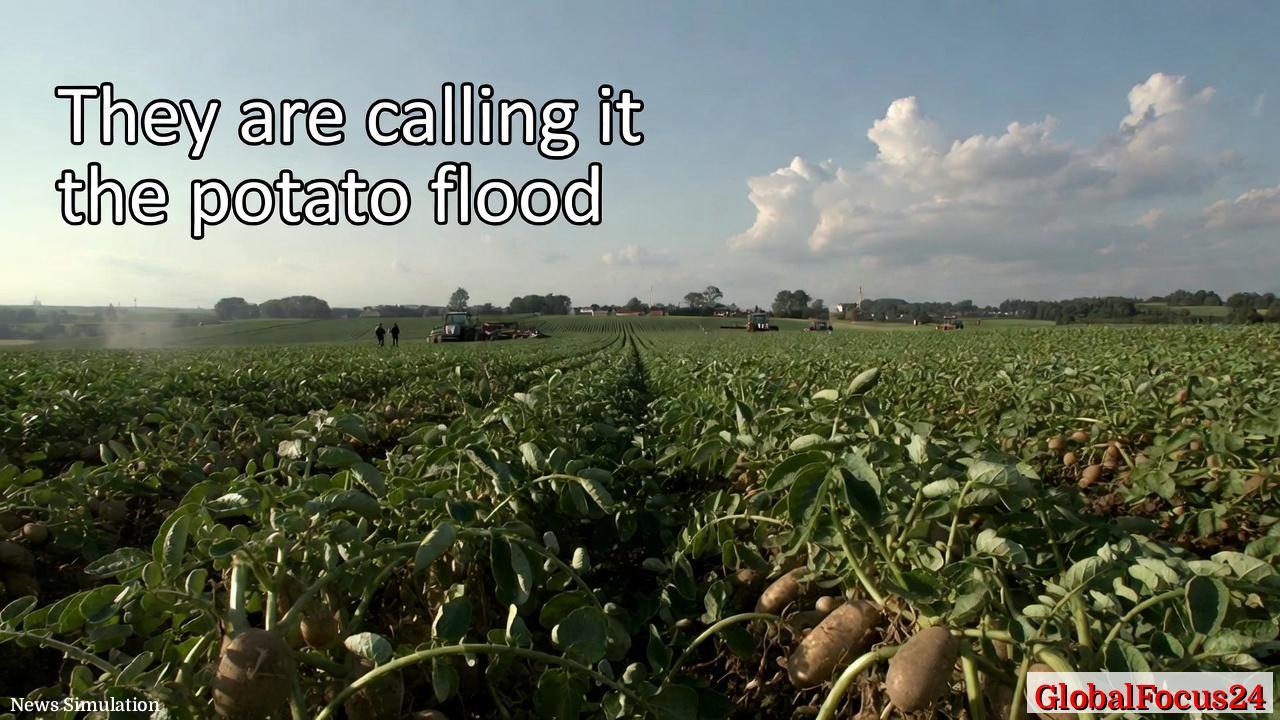
Germany, the European Union’s top potato producer, is experiencing what farmers and analysts are calling a “potato flood.” Favorable weather, expanded cultivation, and strong yields have culminated in the nation’s biggest harvest in years, signaling notable implications for farmers, processors, and consumers across the continent. The moment arrives as neighboring Belgium, France, and the Netherlands also report abundant crops, underscoring a continental trend that could reshape pricing, supply chains, and food security discussions for the months ahead.
Historical Context: A Century of Potato Cycles and European Growth
- The potato’s path from staple to staple-cast staple in Europe traces back to late 16th-century introductions from the Americas. Over centuries, the crop evolved from a resilience crop to a central pillar of dietary and economic planning, especially in northern and western Europe where cooler climates favor tuber production. This historical trajectory helps explain why a large harvest in today’s Europe is not merely a local event but a signal of structural maturity in potato agriculture.
- In the postwar era, European farmers gradually modernized through mechanization, improved seed varieties, and coordinated market policies, enabling more predictable yields even in variable weather patterns. The present bumper crop reflects decades of investment in agronomic practices, storage, and logistics that allow a surge in production to translate into stable domestic supplies.
- Across the European landscape, potato production is deeply integrated with processing sectors—chips, fries, starch, and value-added products—so large harvests can ripple through processors and retailers, influencing pricing and product availability for general consumers and foodservice operators alike.
Current Harvest Dynamics: Why This Year Is Different
- Several factors converge to produce a harvest described as the largest in a generation: optimal growing conditions, including favorable temperatures and rainfall at critical growth stages, coupled with expanded plantings in key producing regions. The combination reduces stress on tuber development and improves yields per hectare, elevating total production above the long-term average.
- Germany, historically the benchmark for European potato output, is reporting yields that outpace recent years, a pattern that aligns with broader regional trends of robust harvests in Belgium, France, and the Netherlands. The synchronized strength among these countries suggests regional climate and agronomic conditions have aligned to support a continent-wide surplus in tubers.
- The recent yield uplift comes with improved storage and supply chain resilience. Modern cold storage facilities and efficient logistics networks help prevent quality loss and reduce post-harvest shrinkage, enabling a smoother flow from farm to fryik, chips, and processed potato products during peak demand periods.
Economic Impacts: Market Implications for Farmers, Processors, and Consumers
- For farmers, a record harvest can bolster cash flow but also poses price-formation challenges. A broader supply base tends to temper price volatility, potentially resulting in lower farm gate prices for growers in the short term. However, robust yields can offset higher input costs if crop quality remains high, supporting profitability for many producers.
- Processors and retailers stand to benefit from greater scale economies and more predictable procurement planning. A larger domestic supply reduces reliance on imports for staple products like frozen fries and chips, which can help stabilize wholesale and retail pricing and improve inventory management during seasonal demand surges.
- Consumers may experience steadier access to potatoes and potato-based products at stable prices. The ripple effects extend to restaurants, convenience stores, and foodservice operators, who can plan menus with greater confidence around supply and price expectations for potatoes and derived goods.
Regional Comparisons: Europe in Focus
- Germany’s harvest is complemented by similarly strong crop reports from Belgium, France, and the Netherlands, collectively forming a regional narrative of abundant tubers. This regional synchronization reduces the likelihood of localized shortages and supports a more uniform pricing environment across Northern Europe.
- In southern Europe, potato production can be more variable due to climate differences, but the current year’s data still contribute to an overall European surplus. As a result, regional supply chains may see reduced pressure on imports from outside the EU, reinforcing a tightly integrated European agricultural market.
- Globally, while Europe enjoys a bumper year, other major potato producers are watching the trend closely. A strong European harvest can influence international prices and trade flows, especially for starch and processed potato products that rely on global demand cycles. This dynamic underscores the potato’s role as both a staple food and an essential commodity in international markets.
Agricultural Practices and Innovation Driving Yields
- The current harvest benefits from continued improvements in seed genetics, pest management, and soil health practices. Innovations in late-mortality tuberization and disease resistance contribute to higher yields and more uniform tuber size, which in turn supports processing efficiency and product quality across the value chain.
- Precision agriculture and data-driven farming contribute to more efficient input use, optimizing irrigation and fertilization. While these technologies are not new, their adoption in major European potato belts has accelerated, enabling farmers to extract more value from existing land while maintaining sustainable practices.
- Storage technology, including climate-controlled facilities and advanced sprout suppression methods, reduces post-harvest losses. This allows a larger portion of the harvest to reach processing plants or retail channels in good condition, extending shelf life for consumers and stabilizing supply for food businesses.
Public Reaction and Consumer Sentiment
- Public reaction to a bumper potato harvest is typically mixed, with consumers enjoying stable availability and lower prices for basic products like potatoes, chips, and prepared potato dishes. Public and industry stakeholders often view a strong harvest as a welcome buffer against volatility in other agricultural sectors and as a sign of resilient food systems during fluctuating weather patterns.
- Foodservice operators and manufacturers may adjust product portfolios to leverage the abundance, potentially expanding options for value-added potato products while maintaining price competitiveness for budget-conscious customers. The broader social impact includes greater access to affordable staples, which can support household budgets in times of economic strain.
Environmental Considerations: Sustainability Amid Abundance
- An abundant harvest does not happen in isolation from environmental stewardship. Farmers and cooperatives are increasingly evaluating soil health, water use efficiency, and biodiversity measures as they scale up cultivation. The present year’s uplift in yield must be balanced against long-term sustainability goals to ensure resilient production in future seasons.
- Climate variability remains a critical factor for future harvests. While this year’s conditions were favorable, ongoing climate adaptation strategies—such as diversified crop rotations and improved irrigation efficiency—will help maintain high yields in the face of evolving weather patterns. Stakeholders across the supply chain are likely to emphasize resilience alongside productivity in policy discussions and farm programs.
Conclusion: A Turning Point for European Potatoes
- The current European potato harvest, marked by record yields in Germany and strong crops across Belgium, France, and the Netherlands, signals a significant moment for the regional agricultural economy. As producers capitalize on favorable conditions and technological advances, the ability to deliver stable supplies to consumers while managing costs and sustainability will shape market dynamics well into the next planting cycle.
- In the broader context, the potato’s enduring role as a versatile, affordable staple remains evident. From chips to pancakes and beyond, the tuber’s resilience and adaptability underscore why it remains a cornerstone of European farming, food processing, and daily diets despite fluctuations in other crops. The year’s harvest stands as a testament to the enduring importance of the potato in global agriculture and regional economies alike.