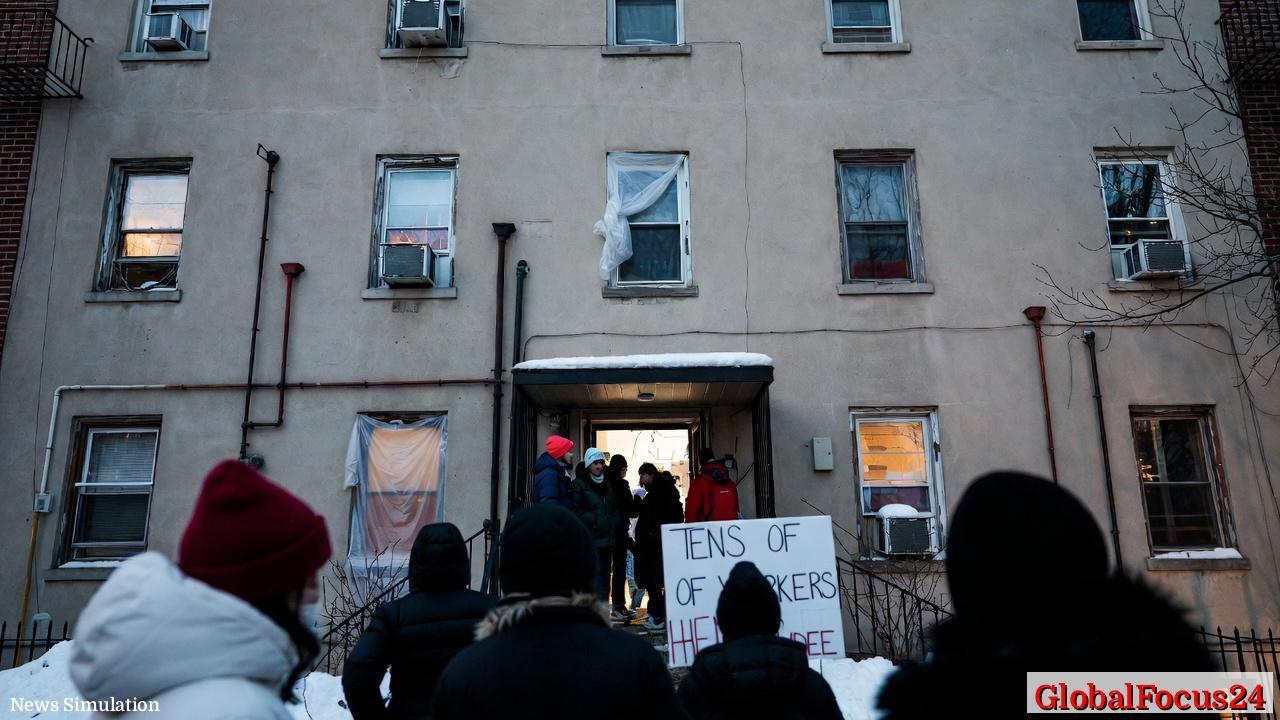
New York Faces Severe Cold: Thousands Without Heat as Winter Grips the City
New York is enduring a brutal cold season, with thousands of renters left without reliable heat as temperatures plunged to near freezing. The ongoing crisis has intensified scrutiny of housing policy, landlord accountability, and the city’s ability to enforce heating standards. As the city confronts record cold, residents, advocates, and officials are weighing the economic and social toll of heating outages, the adequacy of public housing management, and the steps needed to prevent a repeat in the years ahead.
Historical context: a long arc of urban housing challenges New York’s struggle with heating reliability has roots that go back decades. The city’s housing stock includes a mix of market-rate apartments, rent-stabilized units, and deeply subsidized public housing. Over the years, aging boilers, antiquated infrastructure, and deferred maintenance have contributed to periodic outages, especially during cold snaps. In the public sphere, NYCHA (New York City Housing Authority) has faced persistent funding shortfalls and a backlog of repairs, a situation that some critics describe as a chronic affordability and reliability problem. The current winter surge echoes past episodes in which households without heat faced extended outages, prompting reforms and new appointments aimed at tightening oversight and raising accountability standards.
Economic impact: cost of outages and the burden on households
- Private renters and property owners bear the direct costs of outages, including expenses for alternative accommodations, portable heaters, and higher utility bills when boilers stall. The town-to-town variations in rent levels complicate displacement decisions, with higher-income neighborhoods often facing steeper costs for emergency lodging or temporary housing during outages.
- For tenants in rent-stabilized and subsidized housing, heat outages add to financial stress, especially when rent remains due even amid service failures. Reports from the current season describe unpaid utility bills piling up for some tenants, a consequence of outages paired with extended periods of nonfunctioning hot water and heating.
- Public housing residents bear systemic costs linked to emergency response, medical risks during extreme cold, and the broader economic externalities of reduced productivity when residents cannot perform daily routines or attend work due to freezing conditions inside homes.
Regional comparisons: how New York’s experience stacks up
- In nearby urban centers with similar climate, authorities have faced comparable challenges balancing aging infrastructure with rising demand for reliable heat. Cities with robust inspection regimes and faster repair response times often report lower outage durations and higher tenant satisfaction.
- The contrast between private and public housing sectors within New York reveals a dual narrative: private buildings can showcase rapid emergency interventions when landlords invest in modern boilers or temporary heat sources, while public housing frequently confronts higher repair backlogs and resource constraints.
- Across the Northeast, communities with dedicated tenant protection agencies and transparent compliance reporting tend to see improved outcomes during cold spells. The current situation has amplified arguments for stronger, centralized oversight and clearer enforcement mechanisms to ensure landlords meet minimum indoor temperature requirements.
Public reaction and human impact: lived experiences in the cold
- Tenants describe frigid living rooms, days without hot water, and the daily challenge of staying warm. Some residents have resorted to boiling water or using space heaters to supplement inadequate heating, practices that carry safety considerations and energy costs.
- The freeze has forced some families to relocate temporarily, while others have stayed put, bundled in blankets and winter clothing as indoor temperatures hovered at or below recommended standards. The emotional toll, particularly for elderly residents and individuals with health concerns, underscores the critical importance of reliable heating as a basic service.
- Community organizers and housing advocates stress that the heat crisis is also a symptom of broader housing instability, calling for sustained investment in building systems, stronger enforcement, and protections against retaliatory actions when tenants report issues.
Policy response: from enforcement to tenant protection
- The city has named a tenant protection czar to address landlord negligence, signaling a willingness to elevate enforcement and accountability. This move aligns with broader efforts to reform the Housing Maintenance Code and improve compliance monitoring.
- Enforcement challenges remain, particularly for overnight outages and times when inspections are less feasible. Advocates note the practical gap between law on the books and real-world enforcement, especially for nonstandard hours when heat interruptions occur.
- The public and private sectors face a shared imperative to modernize heating infrastructure, conducting comprehensive outages risk assessments, and deploying rapid-response teams to restore service during extreme weather.
Housing maintenance code and compliance: what to know
- The Housing Maintenance Code requires landlords to maintain indoor temperatures around 68 degrees during the day and 62 degrees at night from October through May. Enforcement requires thorough reporting, timely inspections, and the capacity to address outages promptly.
- Critics argue that the current framework can be difficult to enforce in real time, particularly for overnight periods. Strengthened enforcement tools, clearer tenant complaint channels, and transparent escalation processes are among the reforms advocates are seeking.
Notable cases from the winter surge
- Williamsburg neighborhood: Tenants at a multi-unit building faced prolonged hot water outages, with some residents reporting more than 40 days without hot water over an 11-month span. The mounting frustrations included the need to relocate temporarily to access basic services such as showers.
- Astoria: A city-planning professional described consistent nightly heating interruptions, prompting reliance on blankets, space heaters, and, in some cases, pet accommodations to stay warm.
- Lehman Houses (public housing): Longstanding concerns about heat reliability and delayed repairs were highlighted by multiple residents, who reported months of insufficient heat and the constant threat of outages during the coldest periods.
- The broader public housing context: NYCHA has several mechanisms intended to address heat problems, including a 24/7 heat desk and ongoing system upgrades. However, the agency continues to grapple with a substantial repair backlog and ongoing structural challenges.
What comes next: recommendations and plausible trajectories
- Strengthen enforcement: Improve nighttime inspection capacity and establish rapid-response protocols for outages detected through tenant reports or automated monitoring where feasible.
- Invest in infrastructure upgrades: Accelerate boiler replacements, pipe insulation improvements, and energy-efficiency retrofits to reduce outage risk during cold snaps.
- Enhance tenant protections: Expand support for tenants who report heat deficiencies, including clear compensation policies for extended outages and streamlined remedies to prevent eviction or retaliation when issues are raised.
- Public-private collaboration: Encourage partnerships with building management associations, contractor networks, and nonprofit housing advocates to share best practices, rapid repair strategies, and funding avenues for critical upgrades.
- Data-driven transparency: Provide accessible, real-time dashboards summarizing heat complaints, response times, and repair outcomes to build public trust and accountability.
Conclusion: toward reliable warmth as a basic service The current cold spell has underscored a fundamental urban challenge: ensuring that heat—an essential service—reaches every resident, regardless of housing type or income. The economic and human costs of outages call for a multifaceted approach that combines stronger enforcement, targeted investment in aging infrastructure, and a steadfast commitment to tenant protections. As neighborhoods across the city navigate this season, the conversation is shifting from reactive remedies to proactive, systemic improvements that can shield New Yorkers from the worst of winter weather and uphold the standard that safe, livable housing is not a luxury but a basic right.
Key takeaways
- The temperature drop has intensified debates over housing maintenance, tenant rights, and the capacity of city agencies to oversee and enforce heating standards.
- Both private and public housing sectors are affected, highlighting the need for consistent, far-reaching improvements to heating systems and rapid response mechanisms.
- Long-term solutions will depend on robust funding, operational reform, and transparent accountability to prevent recurrence in future winters.