CITY COUNTERCURRENT: NYC Faces Deadly Cold Snap as Shelters Strain and Public Health Focuses on Outreach
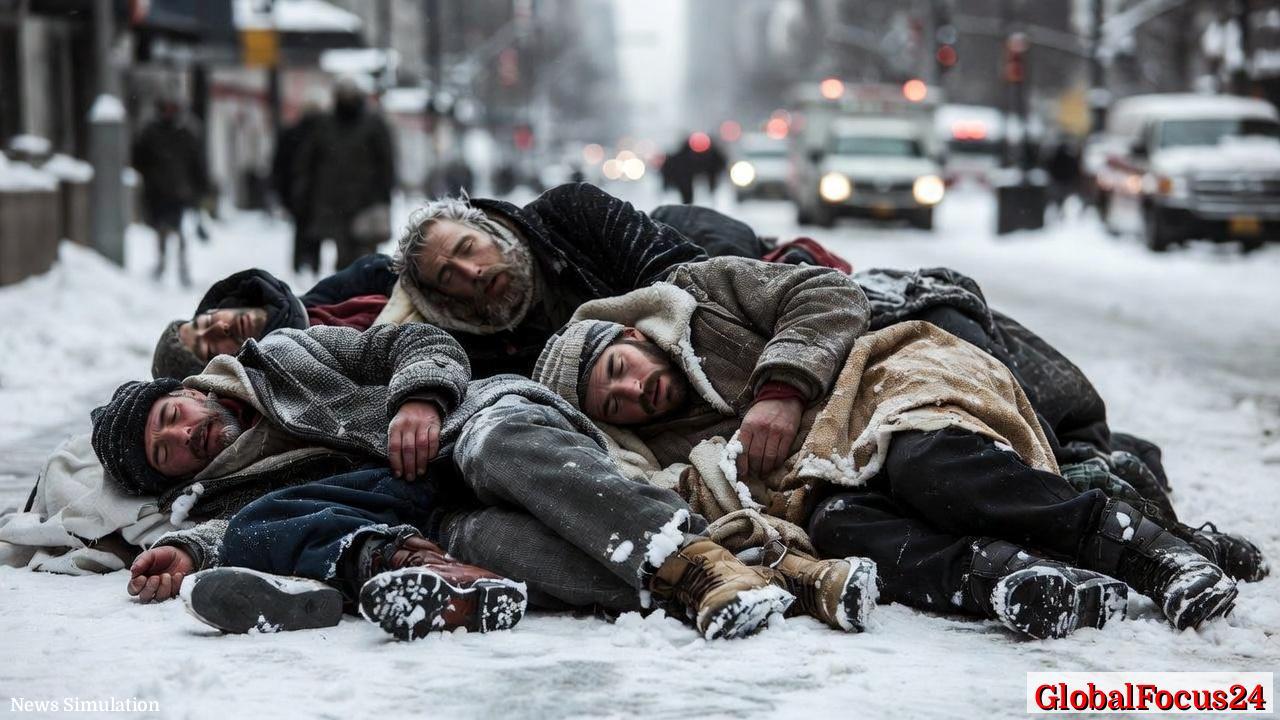
A severe cold snap and a record-setting winter storm overwhelmed New York City’s emergency response networks over the weekend, with ten confirmed deaths attributed to exposure and related conditions. Officials say hypothermia was suspected in roughly seven cases as temperatures plunged below freezing for an extended period, underscoring the life-or-death stakes of winter in a metropolis renowned for resilience and public service.
Historical context and the arc of urban winter risk
New York City has weathered brutal winters for more than a century, yet each cold season tests the city’s capacity to shelter and support its most vulnerable residents. In the late 19th and early 20th centuries, urban winters were a crucible for public health and municipal logistics: warming houses, city-funded charities, and improvised encampments were common responses as mass poverty intersected with harsh weather. Today, the city’s approach hinges on a formal, scalable system of outreach, shelter availability, and heat and power redundancy designed to prevent deaths linked to exposure.
The weekend’s fatalities fit into a troubling pattern observed across major U.S. cities: extreme cold magnifies existing vulnerabilities, from homelessness and mental health challenges to substance use disorders and chronic disease. The city’s Department of Homeless Services reported that at least six of the deceased individuals were known to the agency, with histories that included homelessness or related health concerns. In such cases, cold-weather episodes act as the tipping point: what might be managed on a mild day becomes a fatal risk when temperatures plummet and storms reduce access to warmth and shelter.
Weather, infrastructure, and the economic ripple
Snow and ice disrupt daily life and place a premium on rapid shelter access, street outreach, and reliable heating across public facilities. While the city has invested in warming centers and coordinated outreach, the weekend freeze strained resources and highlighted the economic dimension of cold-weather preparedness. Emergency response costs—staffing, transport, shelter capacity, and cooling/heating redundancies—rise quickly during extreme cold events, diverting funds from other priorities and testing municipal budgets for resilience.
Local businesses and service providers also felt the impact. Street closures, transit slowdowns, and capacity limits at shelters translate into higher operating costs for social services and increased energy demand across municipal utilities. The broader economic effect extends to healthcare providers, who brace for cold-season surges in respiratory and cardiovascular cases, as well as for potential long-term consequences of delayed care or untreated conditions exacerbated by exposure.
Regional comparisons: climate, capacity, and policy responses
New York City’s cold-weather response sits within a broader regional framework that includes adjacent counties and nearby urban hubs, each contending with similar weather-driven challenges. In many cases, neighboring jurisdictions have pursued aggressive, proactive outreach strategies—door-to-door welfare checks, cold-weather shelters with extended hours, and streamlined intake at warming centers—to minimize time between outreach and shelter placement. Some regions also deploy non-congregate solutions: hotel or motel agreements, modular shelter units, and rapid re-housing initiatives designed to reduce encampment numbers during extreme cold while ensuring safety and dignity for residents.
A comparative lens reveals how municipal policy choices affect outcomes during cold snaps. Cities that couple robust street outreach with universal low-barrier shelter access often report lower mortality rates among unsheltered populations during winter peaks. Conversely, areas where outreach is uneven or shelter capacity is constrained tend to experience higher emergency-room volumes, longer ambulance response times, and elevated risk of hypothermia-related fatalities. The current moment in New York invites a closer look at best practices from peer cities and a renewed focus on scalable, humane solutions during crisis periods.
Public health implications and the human face of the crisis
Health officials emphasize that cold exposure can have immediate and delayed effects, ranging from frostbite and hypothermia to respiratory infection and cardiovascular stress. The surge in severe winter weather raises concerns about the capacity of healthcare systems to triage and treat vulnerable populations quickly. Autopsies conducted by investigators aim to confirm exact causes of death, a process that helps public health authorities refine prevention strategies and determine whether additional interventions are warranted in future cold events.
Public outreach emerged as a central pillar of the city’s response. Officials and community partners have stressed the importance of voluntary, compassionate engagement with people experiencing homelessness. Mayor Zohran Mamdani’s administration has stated that involuntary removals from encampments would be a last resort, reserved for situations in which individuals pose immediate danger to themselves or others. This approach reflects a broader movement toward maintaining dignity while prioritizing safety and access to services through voluntary pathways.
A nuanced view of the public reaction reveals a community epidemiology in motion. Residents have expressed concern for neighbors who may be reluctant to seek help, whether due to stigma, past experiences with authority, or fear of losing belongings and privacy. Social service agencies have responded with outreach teams, flexible intake procedures at warming centers, and extended hours for shelters to reduce barriers to access. The emphasis is on connection: a human bridge from the street to a safe, warm space where healthcare, counseling, and social supports can be pursued.
Operational details of the response
The city activated enhanced Code Blue protocols, a formal mechanism that escalates shelter capacity and outreach during extreme cold weather. Outreach teams reported placing more than 200 unsheltered individuals into shelters or other heated locations during the peak of the cold spell. To facilitate access, intake procedures at warming centers and shelters were relaxed, removing some delays that can deter people from seeking shelter. These adjustments reflect a pragmatic understanding that time and accessibility are critical in preventing hypothermia and other cold-related harms.
The administration’s strategy centers on rapid engagement and sustained support. Outreach workers patrol known gathering sites and areas where homelessness is concentrated, offering transportation, clothing, blankets, meals, and information about available services. For many, shelter is not just a bed but a gateway to health care, addiction treatment services, mental health support, and case management that can help stabilize housing and daily living. The city’s approach recognizes that shelter access is a crucial first step in reducing preventable deaths, while acknowledging that long-term solutions require affordable housing, integrated health care, and supportive services.
Community and regional responses
Community groups, faith-based organizations, and non-profit partners play a pivotal role in bridging gaps between outreach and shelter access. Volunteers assist with warming centers, distribute necessities, and help connect individuals with housing resources. Religious and charitable organizations often operate as trusted intermediaries, guiding people toward services in a way that respects autonomy and dignity.
Regionally, the weekend incident has prompted discussions about climate resilience, urban planning, and social safety nets. Municipal leaders are re-evaluating building codes, heating standards in public facilities, and the adequacy of shelter stock. Discussions extend to the potential for improved weatherization programs, more robust transit options during storms, and investment in non-congregate housing solutions that offer warmth and privacy without embedding people in crowded facilities during long cold spells.
Impact on long-term policy and planning
In the wake of the fatalities, policymakers face a dual challenge: maintaining immediate protections during ongoing cold spells and accelerating longer-term strategies to reduce vulnerability. This includes expanding shelter capacity without compromising the dignity of residents, increasing affordable housing stock, and ensuring that mental health and substance-use services are sufficiently resourced and accessible. The crisis also raises questions about data collection and transparency—how to accurately count those at risk, track outreach effectiveness, and measure whether interventions translate into lives saved.
From a planning perspective, urban resilience now hinges on a blend of emergency management, health care readiness, and social services coordination. Cross-agency collaboration—between health departments, social services, housing authorities, and law enforcement—has proven essential during crisis periods. The goal is to create a safety net that is both robust and responsive, capable of scaling up quickly as weather intensifies, while maintaining respect for the rights and dignity of unsheltered residents.
Public safety and community well-being
Public safety during extreme cold remains a priority, but it is increasingly framed within a perspective of community well-being. Officials stress the importance of neighbors looking out for one another, particularly during periods of severe weather. Simple acts—checking on an elderly or disabled neighbor, ensuring someone has access to transportation to a shelter, or sharing information about warming centers—can have a meaningful impact on survival rates and health outcomes.
The public reaction to the weekend events reflects a city in motion, balancing urgency with empathy. News outlets, social media, and community forums have amplified concerns about the vulnerability of residents who lack stable housing, highlighting both the human cost of exposure and the resilience of outreach networks that work around the clock to avert tragedy. Local governments, non-profits, and volunteers remain aligned in prioritizing rapid shelter access and comprehensive support services during winter emergencies.
Conclusion: lessons learned and forward momentum
Ten deaths in a single weekend are a sobering reminder of winter’s human toll in the nation’s major urban center. The city’s response—an enhanced Code Blue activation, expanded outreach, and flexible intake processes—demonstrates a concerted effort to bridge the gap between cold exposure and stable housing, healthcare, and social support. Moving forward, the necessary path includes both sustaining immediate protective measures during cold events and investing in longer-term solutions that reduce risk, increase shelter efficiency, and expand affordable housing stock.
As New York continues to navigate this winter, the emphasis remains clear: the city’s most vulnerable residents deserve warmth, access to shelter, and a path toward stability regardless of weather. The near-term actions—intensified outreach, relaxed shelter procedures, and community-to-service connections—are not merely crisis responses; they are foundational components of a resilient urban system prepared to protect life when temperatures drop and storms rage.
Would you like me to adjust the piece to emphasize a specific aspect, such as the historical evolution of Code Blue protocols or the economic analysis of sheltering costs during extreme weather?