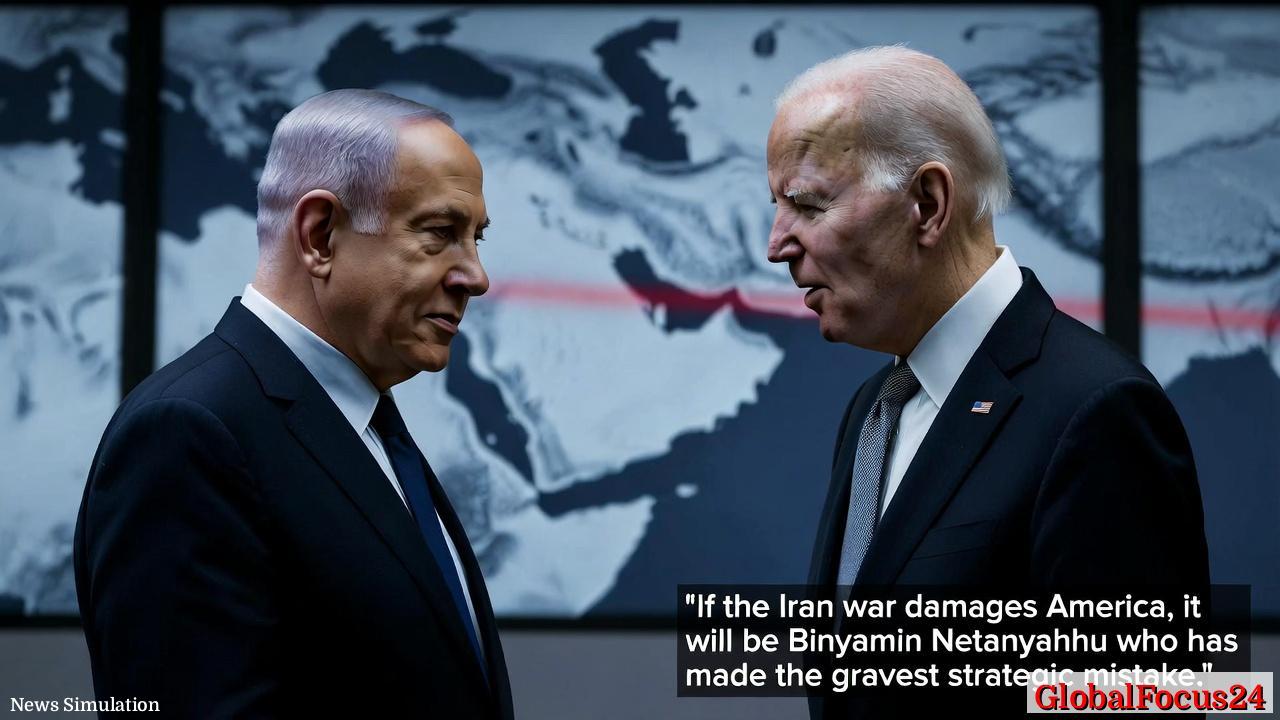
Global Markets Brace for Shifts as Middle East Tensions Reshape Trade and Energy Flows
In recent weeks, political developments across the Middle East have injected a new layer of volatility into global markets, prompting investors, policymakers, and corporations to reassess risk, supply chains, and the lagging indicators of energy dependence. Whiles often frame such tensions through the lens of conflict or diplomacy, the longer arc reveals a complex interplay of energy security, regional economic diversification, and the evolving role of major trading blocs. This article examines the current dynamics, the historical backdrop, and the likely economic ripple effects across industries and regions.
Historical context: echoes of past disruptions and lessons learned To understand today’s market sensitivities, it helps to recall how past shocks have reshaped economies. The oil price shocks of the 1970s, the Gulf War in 1990–1991, and the shale revolution in the United States each marked turning points. In the 1970s, supply interruptions demonstrated how geography and geopolitics could translate into-grabbing price swings and inflationary pressure. The Gulf War era underscored the fragility of energy security for energy-importing economies and the importance of diversified suppliers and strategic reserves. In more recent years, technological breakthroughs in energy extraction, globalized supply chains, and financial market instruments have altered the sensitivity to regional risk; however, energy remains a central channel through which regional conflict can influence global economics.
Today, many economies have built more resilient infrastructures: diversified energy portfolios, strategic stockpiles, and more advanced risk management tools. Yet, the interdependence of crude oil, refined products, and natural gas with manufacturing, transportation, and consumer demand means that tensions in critical corridors can propagate quickly. The current situation, characterized by heightened regional risk and shifting alliances, underscores the continuing importance of energy diplomacy, supply chain resilience, and coordinated international response mechanisms.
Energy and commodities: how markets are reacting Oil markets have historically been the most visible barometer of Middle East geostrategic tension, given the region’s historical role as a major supplier. In the current environment, traders are watching several factors: production capacity, refinery margins, and the potential for sanctions or retaliation that could disrupt flows. Gas markets, increasingly interconnected through LNG trading networks, are also sensitive to regional stability, with price movements often reflecting shifts in flows to major consuming regions such as Europe and Asia.
Beyond energy, commodities linked to industrial activity—steel, copper, and agricultural products—can experience volatility stemming from changes in freight costs, insurance rates, and expectations about demand. When risk premiums rise in shipping and financial markets, the cost of capital for projects, especially capital-intensive energy and infrastructure ventures, can adjust accordingly. These dynamics can influence investment decisions for producers, manufacturers, and infrastructure developers over the medium term.
Regional comparisons: how different economies are positioned
- North America: With a more diversified energy portfolio and larger strategic reserves, North American markets are generally better positioned to absorb short-term shocks. The United States and Canada have expanded domestic production capacity and storage facilities, which can cushion price spikes and support near-term supply continuity. Still, uncertainties in global demand and potential export controls can reverberate through markets and affect energy-intensive sectors such as manufacturing and transportation.
- Europe: European economies remain particularly sensitive to energy price volatility due to high energy intensity and reliance on imports. LNG terminals, pipeline governance, and strategic energy partnerships underpin resilience, but the pathway to market stability will hinge on how quickly renewables scale and how effectively energy interconnections between regions are managed. The transition toward lower carbon intensity adds another layer of complexity, as investment cycles in power generation and transmission infrastructure respond to policy signals and commodity prices.
- Asia-Pacific: The Asia-Pacific region, home to several energy-hioards and large manufacturing hubs, could experience a broader supply chain readjustment. Countries with growing LNG import capacity and diversified sourcing strategies may mitigate some risk, but demand-side factors—industrial production, consumer spending, and infrastructure spending—will shape how quickly markets re-stabilize. The region’s importance for global electronics, automotive, and chemical industries means any sustained disruption could ripple through global value chains.
- Middle East and North Africa: The region domestic policy responses and security considerations will influence its own economic trajectory. Sovereign wealth funds, budget frameworks, and investment priorities in diversification plans are critical as governments respond to revenue volatility. The region’s longer-term diversification efforts—toward tourism, finance, and technology—will be tested by how external conditions affect capital access and international cooperation.
Economic impact: sectors at risk and sectors that could benefit
- Energy sector: Exploration, drilling activity, and refining margins tend to respond quickly to price expectations and supply reliability. In times of tension, capex budgeting often becomes cautious, while opportunistic investments may target storage, logistics, and trading capabilities. Energy companies also invest in risk management tools, such as hedging strategies, to mitigate price volatility.
- Transportation and logistics: Freight costs are sensitive to fuel prices and insurance premiums, which can change with perceived risk. Airlines and shipping lines may adjust routes to optimize fuel efficiency and reliability, while ports and inland logistics networks focus on resilience and redundancy.
- Manufacturing: Energy prices influence input costs, especially for energy-intensive industries like chemicals, cement, and metals. Manufacturers may accelerate efficiency upgrades, seek long-term power contracts, or shift production timing to align with lower price windows.
- Agriculture: Agricultural commodities can be affected by global feedstock and energy costs, with farmers and agribusinesses adjusting planting schedules, inputs, and risk management practices in response to price volatility.
- Financial services: Market volatility can impact lending standards and capital allocation. Banks and asset managers monitor credit risk, liquidity, and currency fluctuations, while policymakers consider macroprudential measures to maintain stability.
Public reactions and policy responses: balancing urgency with prudence Public sentiment in affected regions often blends concern with resilience. Communities that rely on energy-driven industries may experience periods of higher prices and increased uncertainty, prompting calls for faster diversification and stronger safety nets. Policymakers typically respond with a mix of measures: strategic reserves management, targeted subsidies or rebates for households and small businesses, and incentives to accelerate the deployment of renewable energy and energy efficiency programs. Central banks weigh inflationary risks against growth prospects, balancing the need to maintain price stability with the imperative to support economic activity.
Regional policy coordination remains crucial. Multinational energy dialogue, trade agreements, and sanction regimes can all influence the pace at which markets absorb shocks. In times of elevated risk, transparent communication about supply plans, inventory levels, and contingency measures can help anchor expectations and reduce unnecessary volatility.
Historical analogues and what they imply for today Drawing parallels with previous periods of elevated geopolitical risk yields a few instructive patterns:
- Containment strategies and diversified energy sourcing tend to temper price spikes over time, even if short-term fluctuations remain pronounced.
- Infrastructure resilience—such as enhanced storage, diversified routing, and flexible production—helps economies weather disruptions more effectively.
- Public confidence hinges on credible policy responses and clear messaging about market stability, which in turn supports investment and consumer spending.
Communities and consumption: how households feel the impact Households experience the effects of market shifts in daily life through energy bills, fuel costs, and the price of goods and services. Even modest movements in crude prices can translate into noticeable changes at the grocery store or gas station, particularly for households with tight budgets. Consumers may adjust discretionary spending, while businesses adjust hiring or staffing hours in anticipation of demand fluctuations. The speed and magnitude of these effects depend on how long tensions persist, how quickly alternative supplies come online, and how effectively governments and markets coordinate to stabilize prices.
Geopolitical risk management: the role of coordination and resilience The current environment underscores the need for proactive risk assessment and collaborative planning. Governments, energy companies, and financial institutions increasingly rely on scenario planning to anticipate multiple potential outcomes. By mapping out best-case, base-case, and worst-case trajectories, stakeholders can prepare responsive strategies for supply chain continuity, currency stability, and financial market confidence. International bodies and regional blocs can facilitate information sharing, joint reserves strategies, and crisis communications that help reduce uncertainty and support smoother market functioning.
Long-term structural implications: energy transition and strategic investments While current tensions pose near-term challenges, they also influence longer-term strategic decisions. Energy security considerations may accelerate investments in diversification—such as renewable energy capacity, storage technologies, and regional gas networks. Companies may prioritize resilience-enhancing projects, including enhanced cyberdefense for critical infrastructure, robust logistics hubs, and cross-border supply chain redundancy. From a regional perspective, diversification efforts in the Middle East and North Africa could shift some economic weight toward technology, finance, or tourism, potentially reshaping the economic map over the coming decade.
Conclusion: navigating uncertainty with steady, informed leadership As markets absorb the implications of elevated regional risk, the path forward rests on a combination of prudent risk management, transparent policy signaling, and sustained investment in resilience. Historical lessons affirm that diversified energy sourcing, resilient infrastructure, and disciplined fiscal and monetary policy can mitigate the worst outcomes of disruption. Yet the pace of global economic integration means that even regional tensions can echo through energy pricing, manufacturing costs, and consumer confidence across continents. By staying attuned to evolving market signals, policymakers and industry leaders can guide the global economy toward stability and continued growth, even amid geopolitical headwinds.