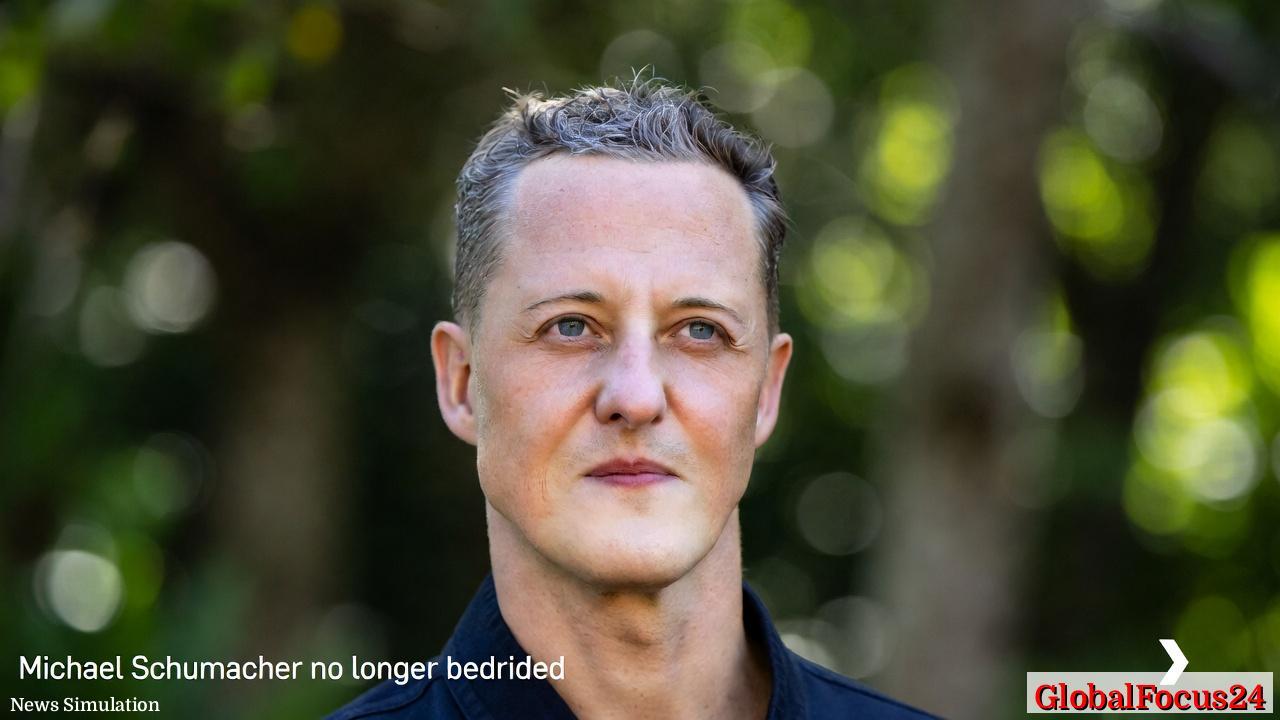
)Schumacher Update Sparks Renewed Attention on Recovery and Resilience in Elite Sports
In a development that has captivated motorsport fans and sports commentators alike, new information about former Formula 1 icon Michael Schumacher has emerged, shedding light on a period of extended recovery following his life-altering ski accident twelve years ago. The update arrives amid renewed public interest in injury recovery, long-term care, and the broader question of how high-performance athletes navigate the aftershocks of severe trauma.
Historical context: from peak performance to prolonged recovery Schumacher’s career, spanning two decades, established him as one of racing’s most decorated drivers, with seven world championships and a reputation for technical mastery and relentless preparation. His 2013 skiing accident marked a turning point not only for him but for the expectations surrounding athlete rehabilitation. The event prompted widespread scrutiny of medical protocols, long-term care strategies, and the role of family and medical teams in orchestrating sustained recovery journeys for elite athletes facing life-changing injuries. Public interest in Schumacher’s health has persisted for more than a decade, reflecting society’s fascination with the endurance of human performance under extreme physical and psychological stress. This episode also intersected with broader discussions about the responsibilities of sports organizations, sponsors, and media in covering personal health matters with sensitivity and accuracy.
Economic impact: associations, sponsorships, and the weight of legacy The Schumacher saga has reverberated through the business side of motorsport and high-performance sports. Brand associations built during his racing heyday contributed to a lasting market value for his name, with sponsors, teams, and licensees negotiating rights that extend beyond active competition. As details about his ongoing care emerge or resurface, stakeholders assess the continuing economic footprint—ranging from licensing revenues tied to Schumacher’s image to potential fund-raising or philanthropic initiatives aimed at supporting medical research or patient care. The broader sport economy—team investments, driver development pipelines, and insurance structures—also remains influenced by the memory of campaigns, podium finishes, and the global fan base that associates Schumacher with excellence and perseverance. While the exact financial figures are private, the enduring aura surrounding his career supports a durable economic impact that extends beyond racing results.
Regional comparisons: how other regions frame recovery narratives In European racing hubs, recovery stories after major injuries have historically catalyzed discussions about medical infrastructure, rehabilitation innovation, and public health storytelling. Comparatively, in North America and parts of Asia with growing motorsport ecosystems, the emphasis often combines celebrity appeal with programmatic investment in athlete wellness, sports medicine research, and safety advancements in equipment and track design. While Schumacher’s case is global in reach, regional audiences frequently measure the narrative against local benchmarks—such as access to specialized rehabilitation facilities, the presence of experienced multidisciplinary medical teams, and the visibility of athletes’ return-to-competition timelines. The interplay between public communication and medical confidentiality remains a common thread across regions as fans seek timely, respectful updates without sensationalism.
Recovery trajectory and public reaction Details about Schumacher’s health have long been met with a careful balance of transparency and privacy. When new information surfaces, the public reaction typically blends relief, cautious optimism, and continued concern for privacy. Support from the international racing community often coalesces around topics of patient dignity, ongoing care needs, and the importance of scientifically guided rehabilitation protocols. Fans and commentators alike reflect on the broader implications for athlete welfare, including access to advanced therapies, long-term caregiver support, and the psychological dimensions of coping with a high-stakes career trajectory after life-threatening injury. The public dialogue underscores a shared recognition that recovery is a deeply personal process that intersects medical realities, family dynamics, and the legacy of sport.
Historical context and legacy: what lessons endure Schumacher’s experience underscores several enduring themes in sports history. First, the line between peak athletic capability and vulnerability to severe injuries is razor-thin, illustrating the necessity for comprehensive safety protocols that protect athletes across all levels of competition. Second, the long arc of recovery emphasizes the importance of sustained medical investment, multidisciplinary care, and patient-centric approaches that respect individual trajectories. Finally, the Schumacher narrative highlights how a sports icon’s privacy and dignity can coexist with a public interest that seeks to understand resilience. Together, these elements contribute to a broader understanding of how elite athletes navigate personal crises while maintaining a storied place in the annals of sporting history.
Technological and medical dimensions: advances spurred by high-profile cases High-profile injury cases often catalyze improvements in medical technology and rehabilitation strategies. For Schumacher, as with other renowned athletes, there is a continued emphasis on the development of personalized rehabilitation programs, neuromuscular therapies, and adaptive technologies that support mobility, cognitive function, and quality of life. The scientific community frequently leverages public attention to advocate for research funding, clinical trials, and cross-disciplinary collaboration among neurology, orthopedics, rehabilitation medicine, and sports science. These advancements not only aid individual patients but also translate into broader applications for patients with complex injuries, contributing to the resilience of health systems and the pace of medical innovation.
Public perception: resilience as a shared identity in sport Across global fan communities, Schumacher’s ongoing narrative becomes part of a larger conversation about resilience in sport. Athletes who overcome or cope with significant injuries often become symbols of perseverance, while teams and federations examine how to support competitors through long recovery periods. The emotional dimension—ranging from hope to empathy to admiration—adds a human dimension to the competitive landscape, reminding audiences that the pursuit of excellence is inseparable from the vulnerabilities that accompany high-risk sports. This dynamic reinforces the idea that sport can serve as a catalyst for public discussions about health, caregiving, and the societal value placed on perseverance.
Conclusion: a continuing story with broad implications The unfolding updates about Michael Schumacher remind the world that the story of elite sport extends far beyond race weekends and podium finishes. It is a narrative that intertwines medical science, family courage, and the economics of legacy, all while offering regional perspectives on care and recovery. As researchers, clinicians, fans, and industry stakeholders monitor developments, the focus remains on dignified communication, evidence-based rehabilitation, and sustained support for those navigating the aftermath of severe injury. The Schumacher chapter, still being written, continues to influence how audiences conceive resilience, how practitioners advance treatment options, and how communities honor the contributions of athletes who have shaped the sport’s history.