Longevity in Focus: New Insights into How the World’s Oldest Lives Endure
A landmark study exploring the factors behind exceptional longevity sheds light on the biological, environmental, and behavioral elements that allow centenarians and supercentenarians to reach extraordinary ages, with implications for health research, regional aging strategies, and economic planning.
Historical context and the arc of longevity research
- Long life has long fascinated scholars and policymakers alike. From early demographic records to modern biomedicine, researchers have sought to separate luck from lifestyle in the quest to understand why some individuals live well beyond a century. This new analysis builds on a century of curiosity, emphasizing a holistic view that spans genetics, early-life exposures, social support networks, and lifelong habits. As societies age, the historical emphasis on public health, sanitation, and nutrition becomes even more relevant to understanding how longevity trends evolve across regions.
Key findings and notable examples
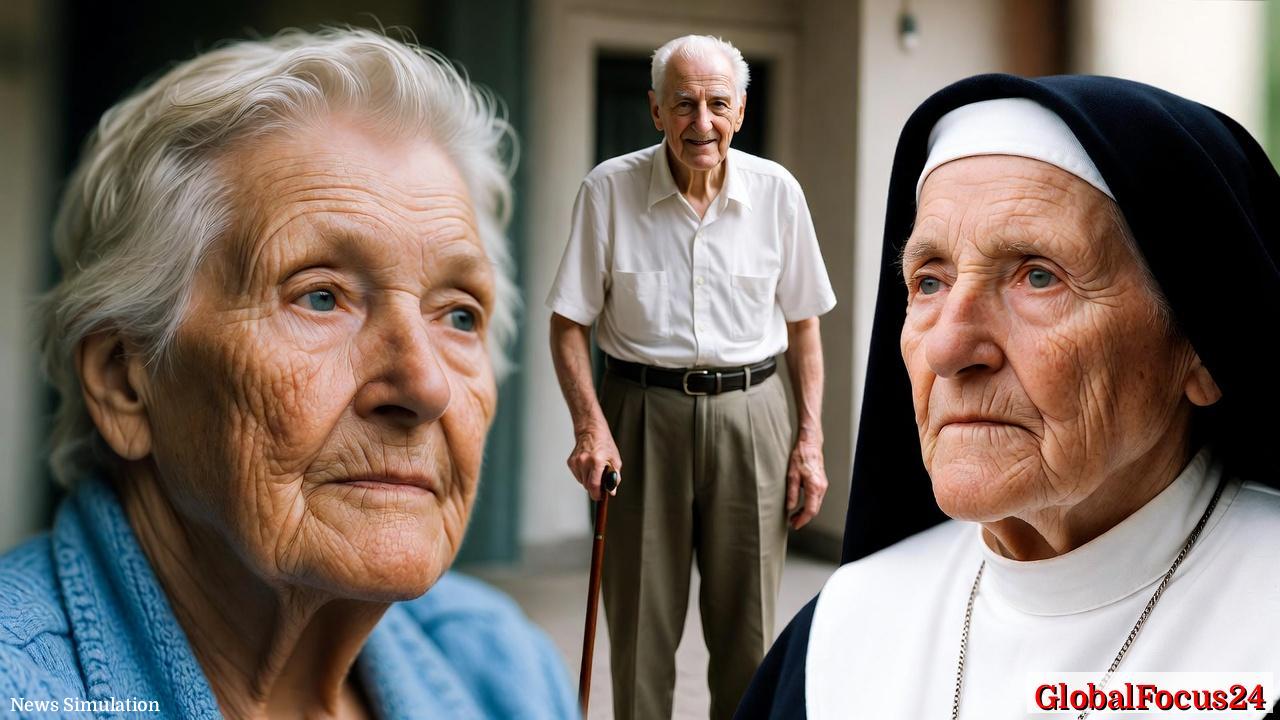
- The study highlights a quartet of factors repeatedly observed among the oldest among us: sustained physical activity, disciplined dietary patterns, strong social ties, and purposeful living. For instance, documented cases include a woman who began competitive swimming late in life and achieved a victory at age 100, a man who remains employed at age 107, and a nun who lived to 116 while maintaining a fondness for chocolate. These vignettes illustrate how activity, purpose, and personal preferences can coexist with longevity, rather than conform to a single mold.
- Researchers stress that longevity is multifaceted, with biological markers interacting with environmental contexts such as access to healthcare, clean living environments, and social infrastructure that supports older adults. This aligns with a growing consensus that there is no one-size-fits-all pathway to extreme old age; rather, resilience often emerges from a constellation of favorable conditions.
Economic impact and regional implications
- An aging population reshapes local economies in multiple ways. Regions with higher life expectancy often see shifts in labor markets, pension systems, and demand for healthcare services, prompting policy adaptations and investment in age-friendly infrastructure. The economic effects of longevity are nuanced: longer lifespans can contribute to greater workforce experience and mentorship, while simultaneously increasing the financial burden of long-term care if retirement planning and insurance products lag behind demographic realities.
- Regions that invest in preventive health, community-based wellness programs, and accessible caregiving networks tend to mitigate costs associated with aging. Prolonged physical activity and social engagement—activities that have been linked to improved health outcomes in older adults—may reduce hospitalizations and enable older residents to participate more fully in the economy. Policymakers in urban and suburban areas alike are increasingly prioritizing age-inclusive planning to support aging in place and intergenerational collaboration.
Regional comparisons: the United States, Europe, and Asia
- In the United States, aging-related policy discussions increasingly emphasize the interplay between healthcare access, housing, and mobility, recognizing that longer life spans intersect with complex insurance and Social Security frameworks. Urban centers with robust public transit and senior-friendly services tend to enable older adults to remain active community members, supporting both personal well-being and local economies.
- European countries offer contrasting models, combining universal or near-universal healthcare with varied retirement ages and social safety nets. The emphasis on preventive care, social integration, and caregiver support often yields higher quality of life indicators for older populations, which in turn influences regional economic performance and innovation in eldercare technologies.
- Across Asia, rapid urbanization and shifting family dynamics shape longevity differently. Some economies leverage strong family and community networks to support aging relatives, while others are expanding formal care services to address shrinking birth cohorts. These dynamics affect how aging populations contribute to regional labor markets and consumption patterns, illustrating the diversity of longevity trajectories worldwide.
Biological and behavioral dimensions: what the science suggests
- The study reinforces the interdependence of genetics and environment. While certain genetic predispositions may contribute to resilience, lifestyle choices—such as consistent physical activity, moderate caloric intake, and stress management—play crucial roles in maintaining healthspan, not just lifespan. The convergence of favorable biology and favorable routines helps explain why some individuals reach advanced ages with relatively intact physical and cognitive function.
- Behavioral patterns observed among centenarians and supercentenarians often include purposeful daily routines, social engagement, and adherence to personal interests. These elements may contribute to mental health and cognitive vitality, potentially delaying the onset of age-related conditions. The research underscores how daily structure and meaningful activities can be protective, complementing medical care and nutrition.
Historical context of lifestyle factors
- Historical trends in diet, activity, and community life have shaped aging patterns. In eras and regions where diets were less processed and communities were tightly knit, individuals often benefited from steady social support and physical work. Modern shifts toward sedentary lifestyles and processed foods pose challenges, but the same regions have also developed advanced healthcare and wellness programs to counterbalance risk factors. The interplay between tradition and modern health science informs current approaches to promoting healthy aging.
Public health messaging and societal outlook
- The evolving narrative around longevity emphasizes not just living longer, but living well. Public health campaigns increasingly promote lifelong activity, nutrition, sleep, and social connectedness as foundational elements of healthy aging. Messaging that resonates across generations—highlighting achievable goals like walking routines, community volunteering, and stress-reduction practices—helps translate scientific insights into everyday behaviors that can extend healthspan.
- Communities investing in age-friendly infrastructure—accessible sidewalks, safe recreation spaces, and mobility assistance—are better positioned to support older residents. Such investments can yield broad social returns, including higher civic participation, reduced caregiver burden, and improved overall quality of life for residents of all ages. As longevity science evolves, these practical adaptations remain central to resilient regional planning.
Illustrative background and public reaction
- Behind the statistics are human stories that capture public imagination: late-life athletic achievements, continued professional engagement, and enduring habits that provide comfort and continuity. These narratives fuel conversations about aging, inspire intergenerational dialogue, and encourage communities to rethink expectations around the capabilities of older adults. Public reaction often blends admiration with questions about how to translate individual stories into scalable programs that benefit broader populations.
- Media coverage of longevity research tends to spotlight striking anecdotes while underscoring the broader implications for healthcare, caregiving, and social policy. As researchers publish more about the biological markers and environmental supports associated with extreme age, the public conversation grows more nuanced—recognizing both the promise and the limits of science in extending life and healthspan.
Conclusion: charting a path forward
- The integrated view of longevity presented by the latest analysis emphasizes that extending healthy years requires coordinated efforts across healthcare, communities, and economic policy. By acknowledging regional differences and historical context, policymakers can design age-friendly ecosystems that support physical activity, social connection, and meaningful purpose for older residents. The practical takeaway is clear: sustainable aging strategies hinge on systems that help people stay active, engaged, and healthy throughout longer lives.
- As regions adapt to aging demographics, continued investment in research and community infrastructure will shape both the lived experience of older adults and the economic landscape they inhabit. The oldest among us illuminate not just the limits of lifespan but the possibilities of healthful aging when science, policy, and culture align to support a longer, more vibrant life for all. The ongoing story of longevity remains a public matter with implications for personal well-being and collective prosperity.
Note: All facts and figures cited are drawn from a comprehensive analysis of longevity research and contextualized with historical, economic, and regional perspectives to provide a balanced, accessible overview for readers seeking clarity on this evolving topic.